Birding in Glacier & Big Sky, Montana
Glacier's bird list runs to over 270 species, but two windows define the serious birding calendar. Spring migration — April and May — brings harlequin ducks to McDonald Creek in numbers that make this one of the most reliable harlequin viewing sites in the interior West, alongside migrating raptors moving along the Continental Divide ridges.
Glacier's bird list runs to over 270 species, but two windows define the serious birding calendar. Spring migration — April and May — brings harlequin ducks to McDonald Creek in numbers that make this one of the most reliable harlequin viewing sites in the interior West, alongside migrating raptors moving along the Continental Divide ridges. The second peak is September, when southbound migration reverses the flow and the park's alpine species — ptarmigan, rosy-finches, Clark's nutcrackers — are active at elevation before snow pushes them down. Bald eagles are present year-round along the river corridors, but winter concentrations along the Flathead and Stillwater rivers, where open water remains, are exceptional and largely overlooked by visitors who only come in summer.
Weather & Conditions
| Month | High / Low | Rain Days | Conditions |
|---|---|---|---|
| Jan | 30° / 13°F | 14 | Okay |
| Feb | 34° / 16°F | 11 | Okay |
| Mar | 42° / 22°F | 11 | Okay |
| Apr | 53° / 31°F | 10 | Good |
| May | 63° / 39°F | 12 | Peak |
| Jun | 71° / 46°F | 12 | Peak |
| Jul | 81° / 51°F | 8 | Good |
| Aug | 80° / 50°F | 8 | Good |
| Sep | 68° / 41°F | 9 | Peak |
| Oct | 54° / 32°F | 10 | Good |
| Nov | 38° / 22°F | 12 | Okay |
| Dec | 30° / 14°F | 13 | Okay |
Where to Go
Main western entry point and gateway to Lake McDonald and Going-to-the-Sun Road.
The most complete base town for Glacier. Restaurants, lodging, ski resort, Amtrak stop.
Continental Divide crossing. Highline Trail, Hidden Lake Overlook. Mountain goats and grizzlies.
Wildlife capital of the park. Grinnell Glacier and Iceberg Lake trailheads. Best grizzly viewing.
Glacier's largest lake. Cedar and hemlock forest on the western edge of the park.
Eastern entry point. Less crowded, open prairie, excellent wildlife visibility.
Year-round resort town. Gallatin River through town. Ski, fish, hike.
Blue-ribbon walk-wade trout river running alongside Hwy 191 from Yellowstone to Big Sky.
The famous 50-mile riffle. One of the great float fishing rivers in North America.
The defining hike in Glacier. 11.8 miles along the Continental Divide from Logan Pass to Granite Park Chalet.
The most accessible of Glacier's named glaciers. 10.6-mile hike from Many Glacier.
Know Before You Go
On busy July and August days, the Logan Pass parking lot is full by 7am. The free park shuttle from Apgar and St. Mary visitor centers solves this — use it. In 2026, Logan Pass parking is limited to three hours, making the shuttle even more important for anyone hiking the Highline or Hidden Lake trails.
The road typically opens between mid-June and early July, but it depends entirely on annual snowpack and spring weather. In heavy snow years it has opened as late as early July. Do not book a trip built around a specific opening date — check the NPS website in the weeks before arrival and have a contingency plan.
Glacier has one of the highest concentrations of grizzly bears in the contiguous United States. Bear spray is required equipment on all trails — not optional, not a suggestion. Carry it where you can reach it in two seconds, not in your pack. Hiking in groups of four or more significantly reduces encounter risk on backcountry trails.
Ready to plan your birding window?
Tell us when and how you travel — we'll match it to the right months, the right properties, and the right price.
Hotels & Lodges for Birding
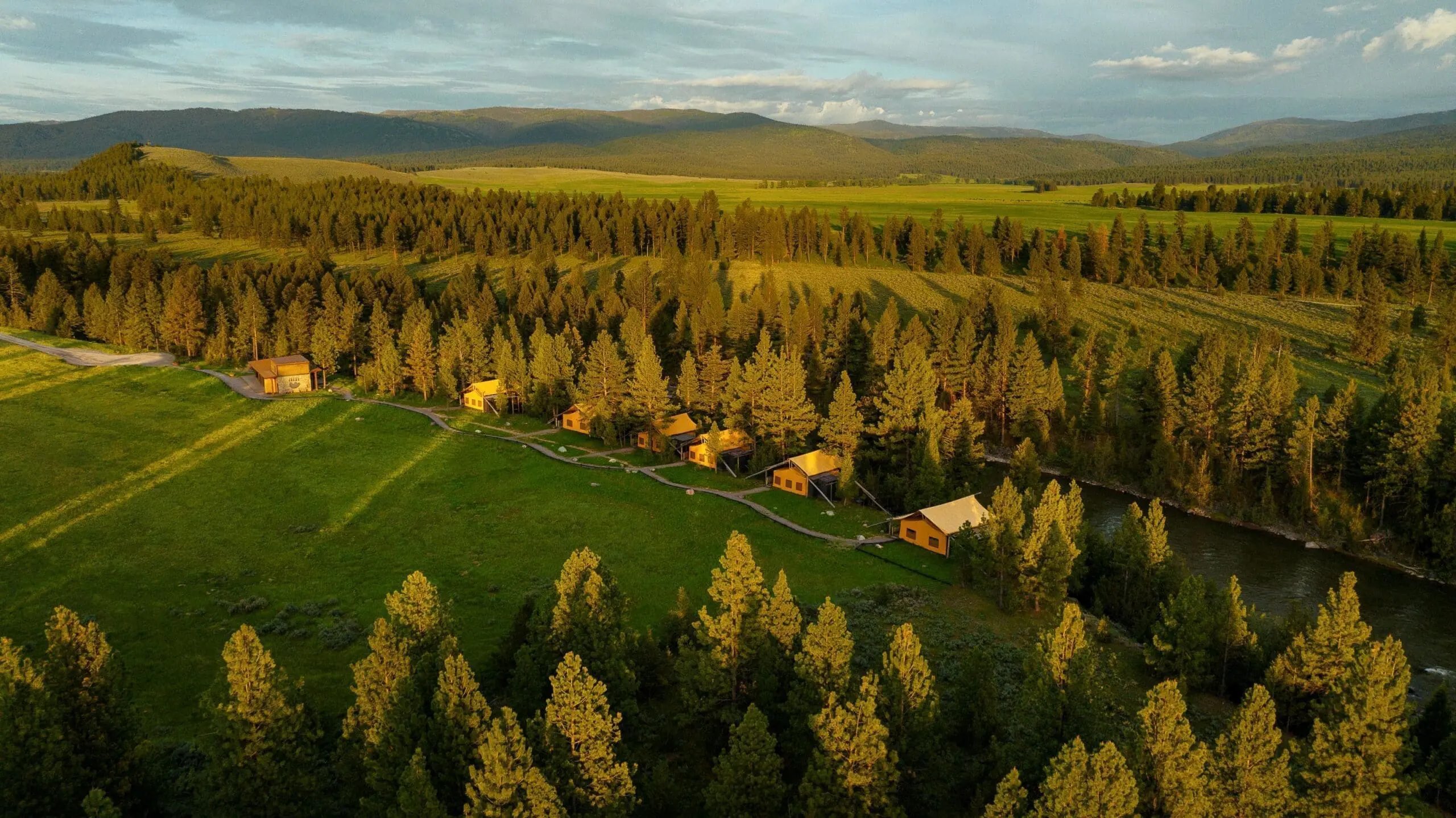
The Resort at Paws Up
An expansive 37,000-acre guest ranch offering premier wilderness glamping alongside the Blackfoot River and luxury timber homes with dedicated camping butlers.
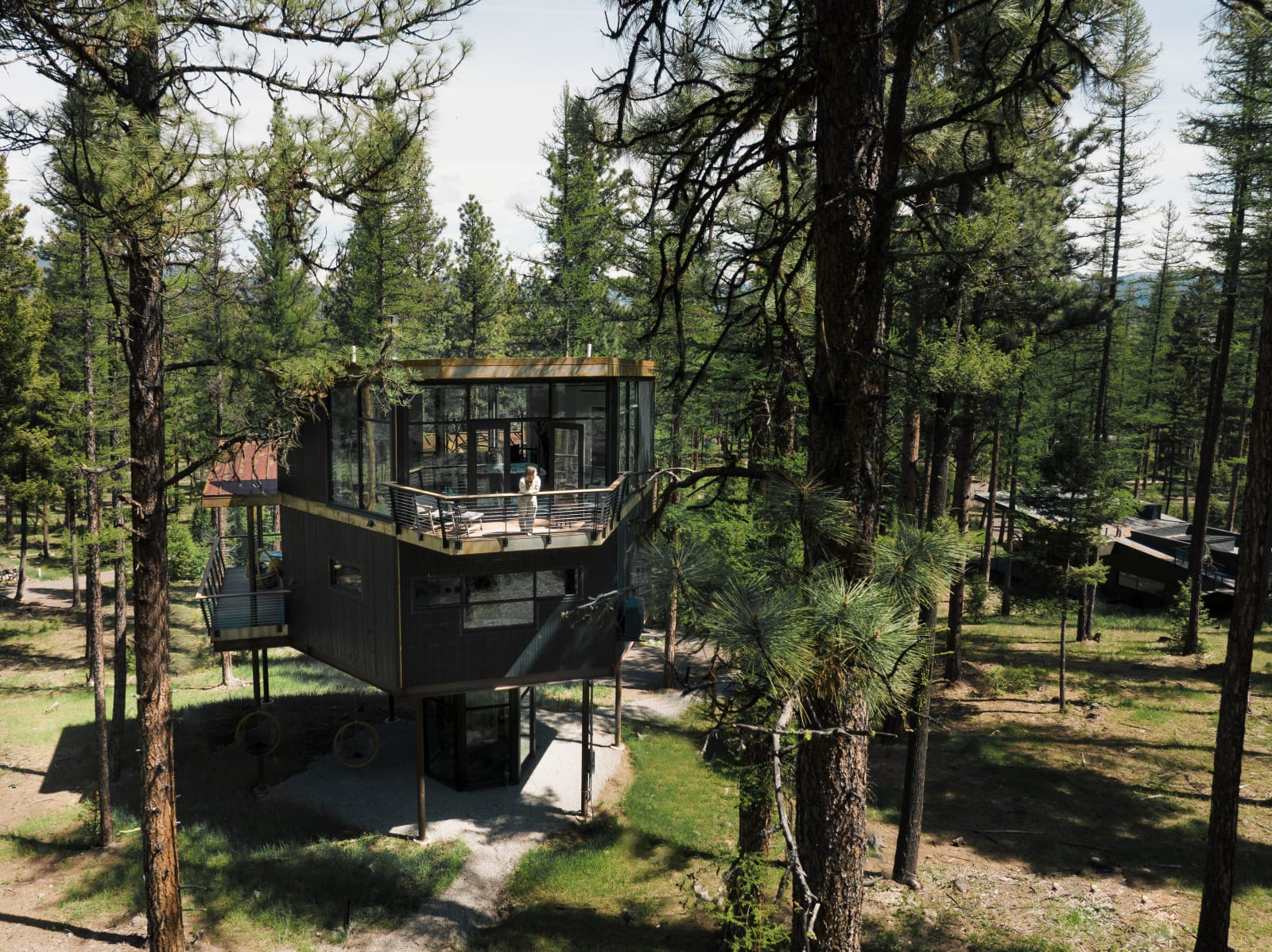
The Green O
An adults-only, all-inclusive hideaway of architectural hauses hidden in a Montana ponderosa forest on the edge of Paws Up ranch.
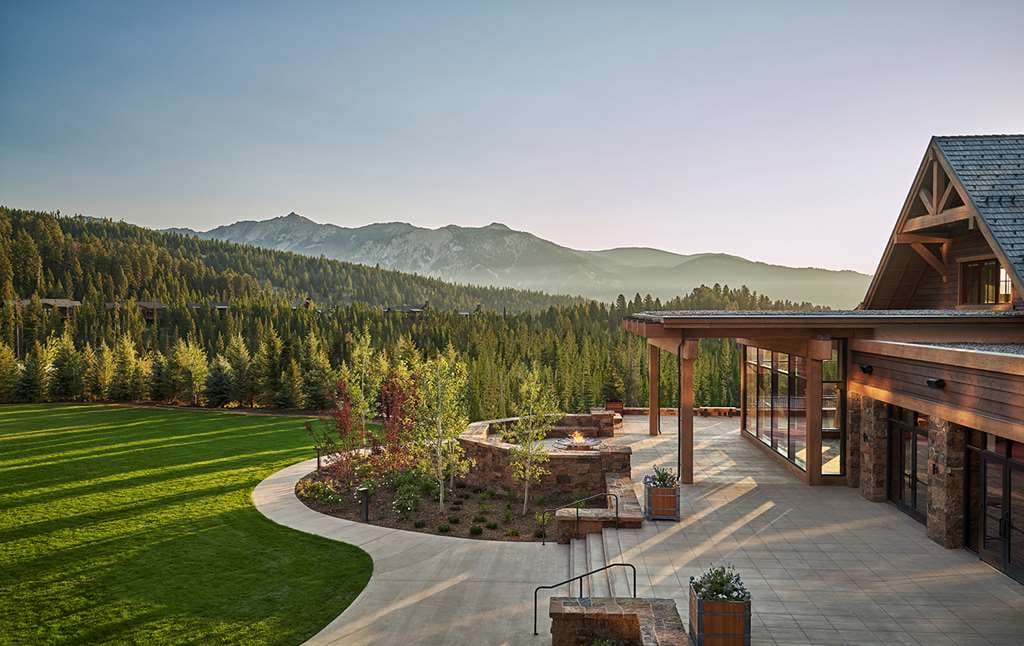
Montage Big Sky
A grand, contemporary stone and timber lodge in the Spanish peaks offering direct slope access, championship golf, and an alpine spa.
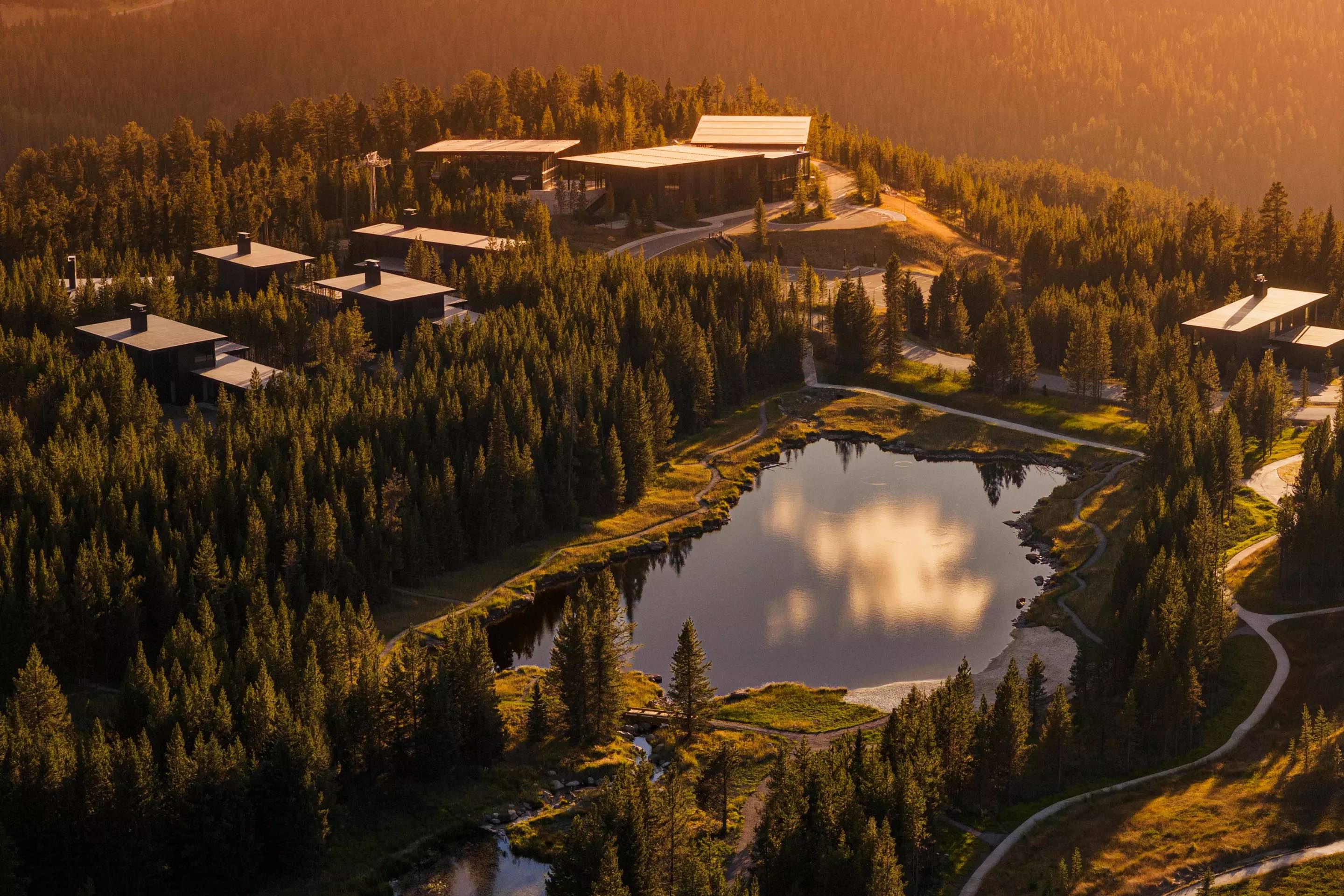
One&Only Moonlight Basin
An ultra-luxury alpine sanctuary in Moonlight Basin offering dramatic ski-in/ski-out access and high-design private cabin residences.