Skiing in The Dolomites, Italy
The Dolomiti Superski network is the largest ski area in the world — 1,200 kilometres of pistes across twelve resorts, all accessible on a single pass, set against limestone towers that no other ski destination on earth can match. The Sellaronda is the defining experience: a circular route around the Sella massif linking four valleys and four mountain passes in a single day, clocking roughly 40 kilometres of skiing through scenery that stops people mid-run to take photographs.
The Dolomiti Superski network is the largest ski area in the world — 1,200 kilometres of pistes across twelve resorts, all accessible on a single pass, set against limestone towers that no other ski destination on earth can match. The Sellaronda is the defining experience: a circular route around the Sella massif linking four valleys and four mountain passes in a single day, clocking roughly 40 kilometres of skiing through scenery that stops people mid-run to take photographs. Val Gardena, Alta Badia, Val di Fassa, and Arabba are the four interconnected resorts that make the circuit possible without a car or bus — lifts connect them all, and the route runs clockwise or anticlockwise depending on conditions and preference. Cortina d'Ampezzo, co-host of the 2026 Winter Olympics alongside Milan, sits slightly apart from the main circuit but connects via the Armentarola piste into Alta Badia.
Weather & Conditions
Showing viable months only — May, Jun, Jul, Aug, Sep, Oct, Nov are off-season for this activity.
| Month | High / Low | Rain Days | Conditions |
|---|---|---|---|
| Jan | 28° / 14°F | 8 | Peak |
| Feb | 32° / 16°F | 7 | Peak |
| Mar | 41° / 23°F | 8 | Good |
| Apr | 50° / 32°F | 10 | Okay |
| Dec | 30° / 16°F | 8 | Good |
Where to Go
Queen of the Dolomites. Hosted 1956 Winter Olympics, co-hosting 2026. Ski resort, hiking base, fashion shopping on the Corso.
The most iconic formation in the Dolomites. 3-day hut-to-hut circuit from Auronzo. Car park access fee and ZTL restrictions apply.
Emerald lake and start of Alta Via 1. Timed entry in peak season. One of the most photographed spots in the Alps.
Ortisei, Santa Cristina, Selva. Ladin culture. Part of the Sellaronda ski circuit. Best bus access in the Dolomites.
Corvara, La Villa, Badia. Ladin-speaking. Part of the Sellaronda. Some of the finest rifugio dining in the Alps.
The definitive Dolomites vista — a dramatic ridgeline above Ortisei with sheer north faces and the Odle group behind. Accessible by gondola.
Five rock towers near Cortina with WWI history. Via ferrata routes, day hikes, and one of the finest easy walks in the eastern Dolomites.
Europe's largest high-altitude alpine meadow at 1,800–2,000m. Car-free in summer (ZTL zone). Iconic views of the Sassolungo massif.
The central block around which the Sellaronda ski circuit revolves. Passo Sella, Passo Gardena, Passo Campolongo, Passo Pordoi.
Capital of South Tyrol. Main public transport hub — trains from Venice, Verona, Innsbruck, Munich. Bus connections to all major valleys.
The classic Dolomites hut-to-hut traverse. Lago di Braies to Belluno, 8–10 days, 120km. Book rifugios from August the year before.
The Queen of the Dolomites — highest peak at 3,343m. Glacier (retreating). Highest ski terrain in the region. Spectacular cable car.
Know Before You Go
The most popular huts on the Alta Via 1, the Tre Cime circuit, and the Sellaronda routes accept bookings from August the year before the season. July and August dates at Rifugio Locatelli, Rifugio Fanes, and the other marquee huts fill completely within weeks. If you are planning a July or August hut-to-hut trek, your booking window opens 11 months before your hike. For September, the situation is easier — book 3 to 4 months ahead.
A harness, a via ferrata set (Y-shaped lanyard with an energy-absorbing element), and a climbing helmet are mandatory on all via ferrata routes. Standard hiking poles and backpacks are not a substitute. Hire kit is available in Cortina, Ortisei, and other major villages. Never attempt a via ferrata route if rain, thunderstorm, or ice is forecast — wet iron rungs are a serious hazard, and the afternoon thunderstorm pattern in summer makes timing critical.
The Dolomites operate on two seasons: hiking (mid-June to early October) and skiing (December to late March). The months in between are when most mountain facilities — rifugios, cable cars, ski lifts, shuttle buses — are closed for maintenance. The valleys and lower towns are accessible and pleasant, but the mountain infrastructure that makes the Dolomites extraordinary is largely absent. If you are visiting in these months, plan a valley-based itinerary rather than a mountain one.
Ready to plan your skiing window?
Tell us when and how you travel — we'll match it to the right months, the right properties, and the right price.
Hotels & Lodges for Skiing
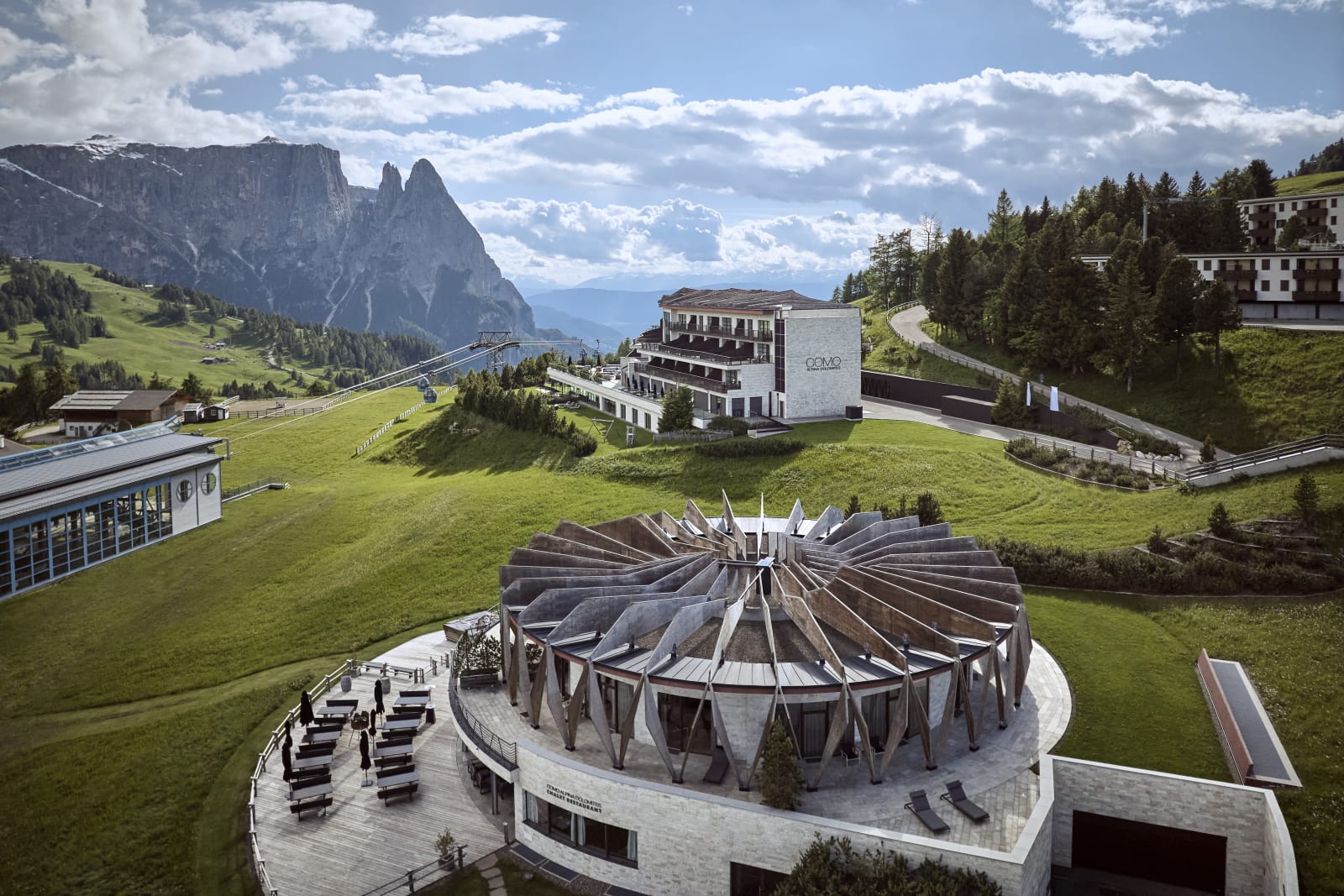
COMO Alpina Dolomites
A design-forward ski-in/ski-out sanctuary positioned 1,860 meters up on the rolling wildflower meadows of Alpe di Siusi.
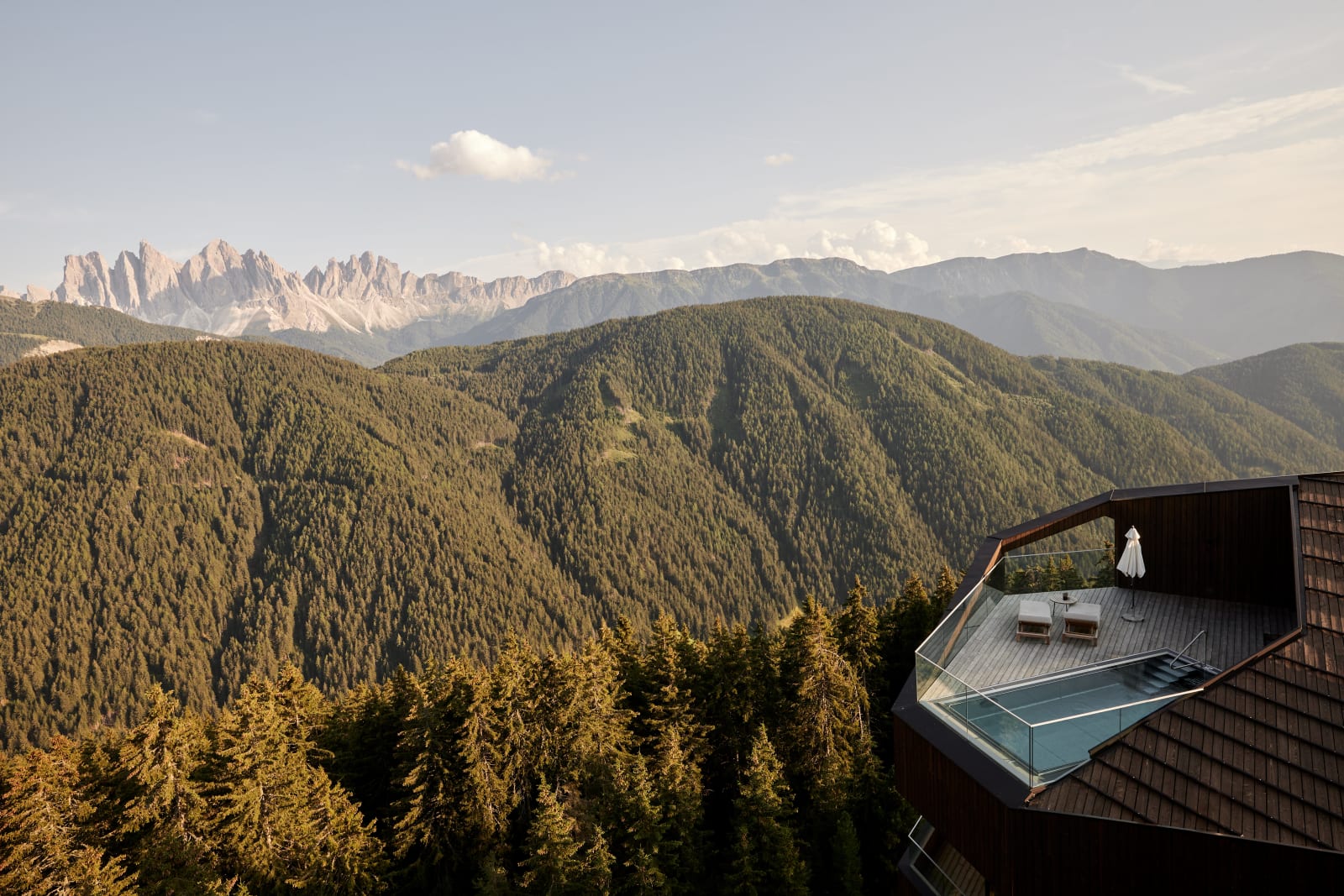
Forestis Dolomites
A high-altitude timber sanctuary set 1,800 meters up on the wooded slopes of the Plose, offering clean mountain air and pine baths.
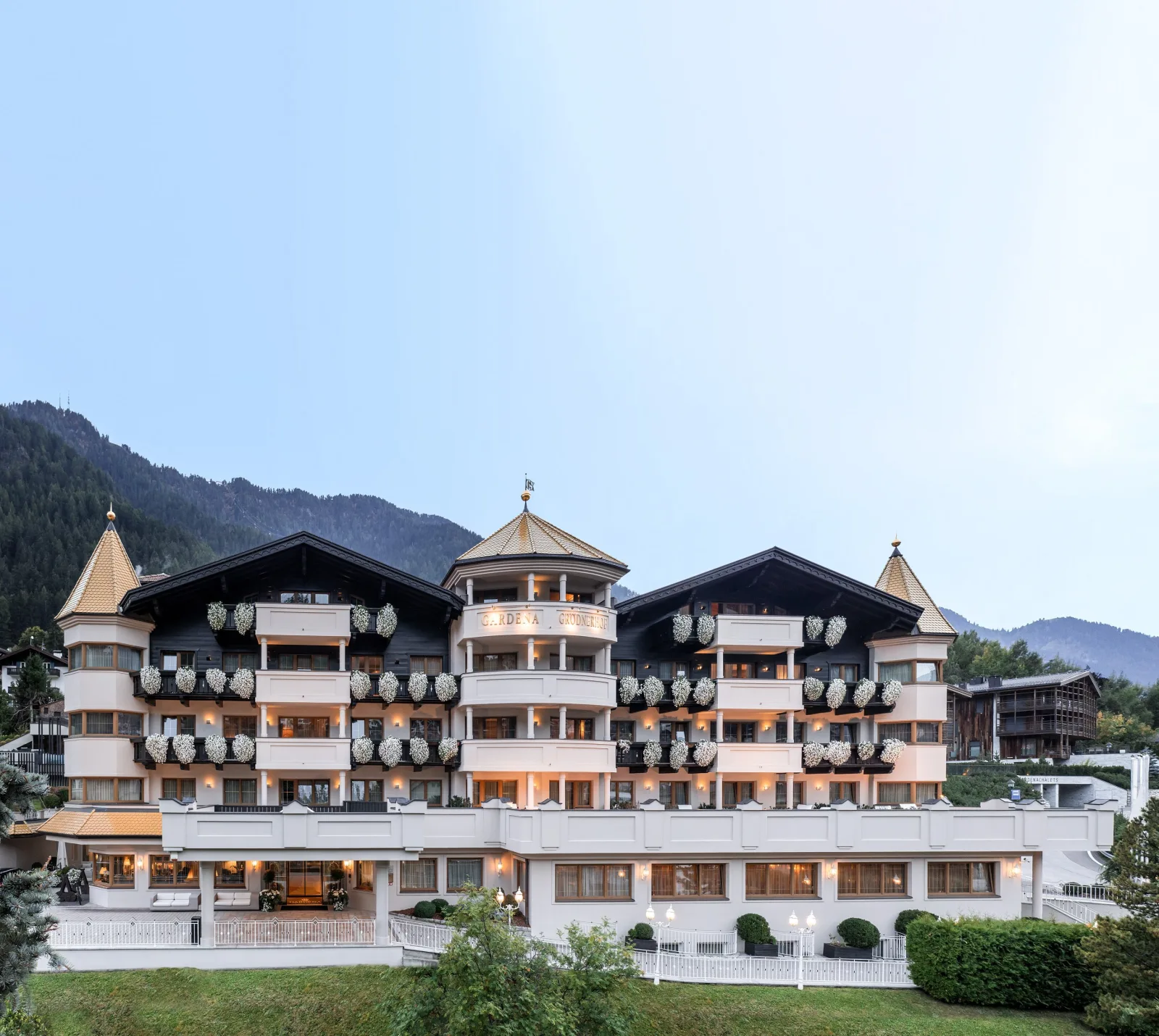
Gardena Grödnerhof
A historic, family-run Tyrolean sanctuary hosting a Michelin-starred kitchen in the heart of Ortisei in the Val Gardena.
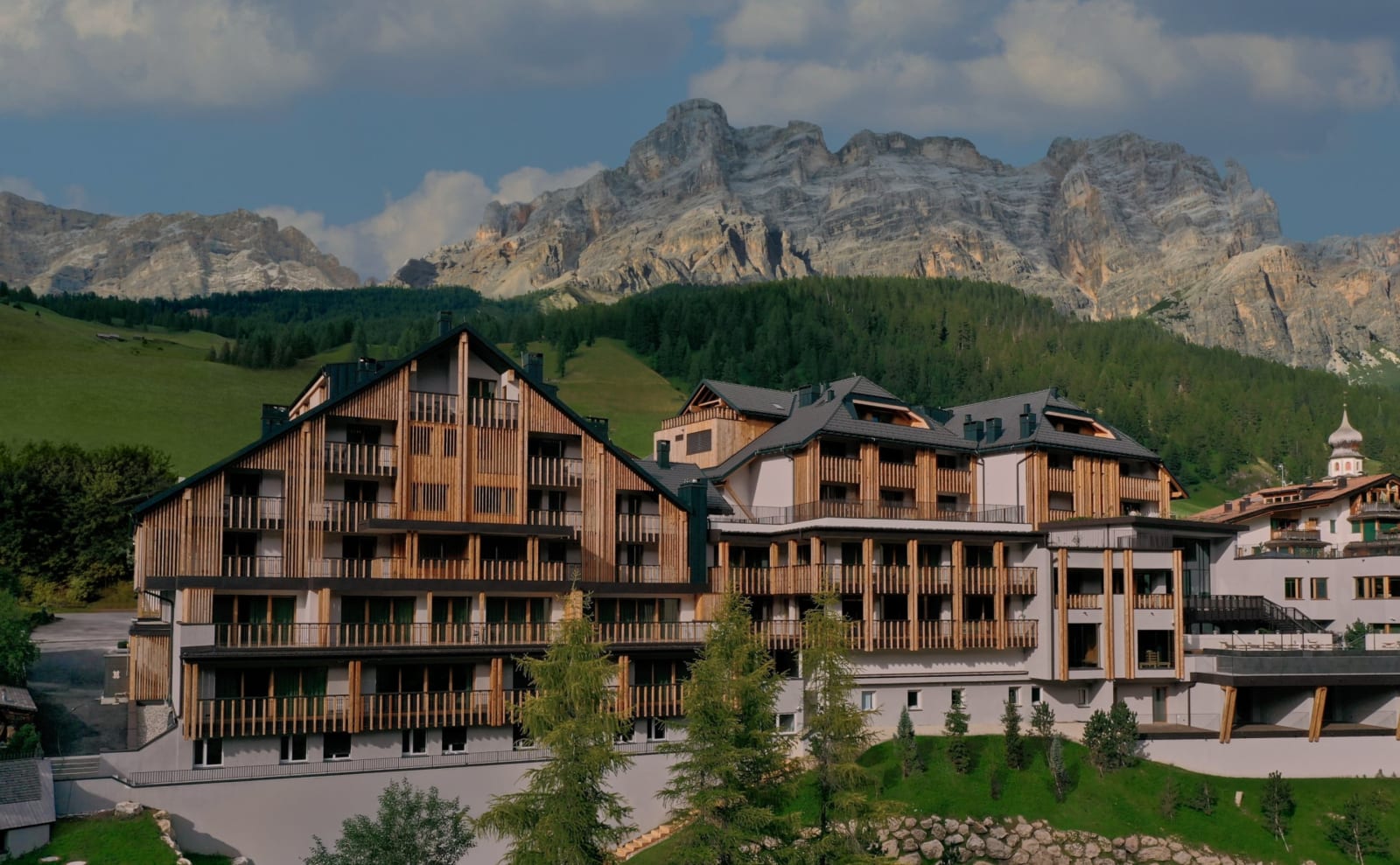
Aman Rosa Alpina
A historic Dolomites chalet transformed into a fully-fledged Aman sanctuary of quiet alpine luxury in San Cassiano.