Snorkeling & Diving in Azores, Portugal
The Azores sit above one of the most dramatic underwater landscapes in the Atlantic, where the ocean floor drops thousands of metres and seamounts rise from the deep to concentrate marine life in extraordinary numbers. Princess Alice Bank — a seamount 80 kilometres south of Pico — is the headline: a three-hour open ocean crossing to waters where mobula rays gather in the hundreds, blue sharks cruise the blue water column, and mako sharks appear without warning.
The Azores sit above one of the most dramatic underwater landscapes in the Atlantic, where the ocean floor drops thousands of metres and seamounts rise from the deep to concentrate marine life in extraordinary numbers. Princess Alice Bank — a seamount 80 kilometres south of Pico — is the headline: a three-hour open ocean crossing to waters where mobula rays gather in the hundreds, blue sharks cruise the blue water column, and mako sharks appear without warning. It is one of the great pelagic dives on earth, available only to advanced divers in settled conditions between June and September. The coastal reefs around São Miguel, Faial, and Terceira offer excellent diving from April through October for all levels — clear Atlantic water, healthy fish populations, and the occasional passing whale spotted from the surface between dives.
Weather & Conditions
Showing viable months only — Jan, Feb, Mar, Nov, Dec are off-season for this activity.
| Month | High / Low | Rain Days | Conditions |
|---|---|---|---|
| Apr | 64° / 56°F | 12 | Okay |
| May | 67° / 59°F | 10 | Good |
| Jun | 72° / 63°F | 8 | Peak |
| Jul | 77° / 67°F | 6 | Peak |
| Aug | 79° / 68°F | 6 | Peak |
| Sep | 76° / 66°F | 9 | Peak |
| Oct | 71° / 62°F | 12 | Good |
Where to Go
The Green Island. Sete Cidades caldera lakes, Furnas geothermal valley, Lagoa do Fogo. Main airport.
São Miguel's capital and the main city of the Azores. Airport, ferry terminal, whale watching operators.
Twin crater lakes — one green, one blue — set inside a massive volcanic caldera. São Miguel's iconic landscape.
Geothermal valley. Caldeiras, hot springs, and the famous cozido cooked underground by volcanic heat.
The Mountain Island. Highest point in Portugal at 2,351m. Whale watching capital and diving base.
The Blue Island. Horta marina, Capelinhos volcano, Caldeira crater hike. Sailor's waypoint since the 16th century.
Angra do Heroísmo — UNESCO World Heritage city. Second airport for central group access.
Seamount 80km south of Pico. Mobula rays, blue sharks, mako sharks. Advanced divers only. 3hr boat ride.
Long and narrow with dramatic fajãs — flat coastal ledges at the base of towering cliffs. Famous cheese.
Know Before You Go
São Miguel, Pico, Faial, Terceira, and São Jorge each have distinct characters and activities. São Miguel is the entry point for first-timers. Pico is the whale watching and serious diving island. Faial is the sailor's island with the Capelinhos volcano. Trying to see all nine islands in one trip means seeing none of them well. Pick two or three and go deep.
The seamount 80 kilometres south of Pico is one of the finest pelagic dives in the Atlantic — but it is a 3-hour open ocean crossing, depths of 30–40 metres, strong currents, and entirely weather-dependent. Advanced certification required. Departures are cancelled regularly. If this dive is your priority, build extra days into your schedule and accept that it may not happen.
The Azores receive Atlantic weather systems year-round. Cloud can close in on a caldera, a summit, or an entire island with almost no warning, even in July and August. Every outdoor plan should have a weather contingency. The flip side: the weather opens just as suddenly, and what you see when it does is worth the wait.
São Miguel has the infrastructure, the airport, and the caldera hikes — but it is not the whale watching island or the best surf island. Pico is where you go to dive Princess Alice Bank and be closest to the sperm whales. Santa Maria and the western coast of São Miguel are where you go to surf. Faial is for sailors and the Capelinhos volcano. Spreading too thin across too many islands means doing none of them properly — pick your priority activity first, then build the islands around it.
Ready to plan your snorkeling & diving window?
Tell us when and how you travel — we'll match it to the right months, the right properties, and the right price.
Hotels & Lodges for Snorkeling & Diving
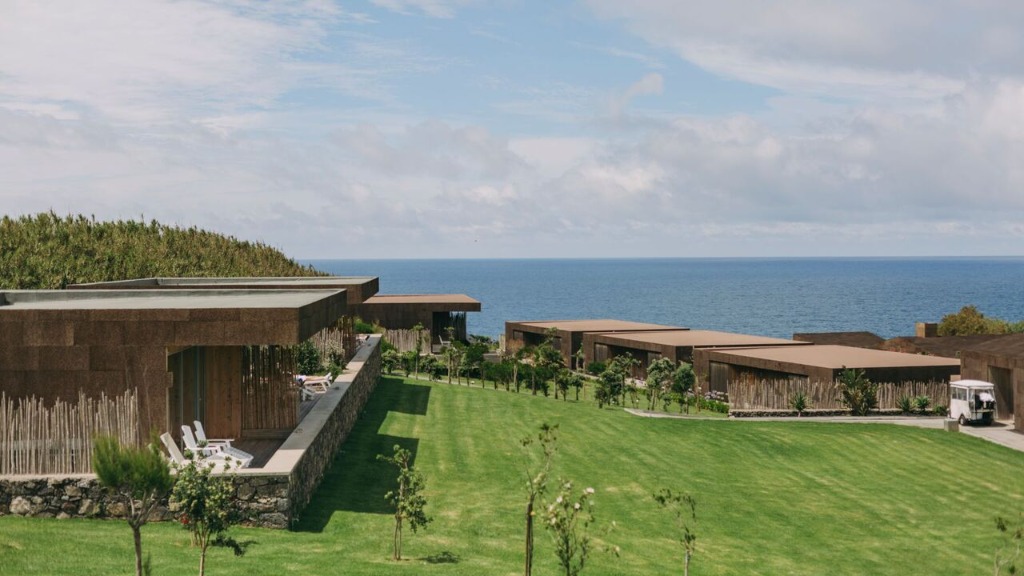
Santa Bárbara Eco-Beach Resort
Modern villas on the volcanic black sands of São Miguel.
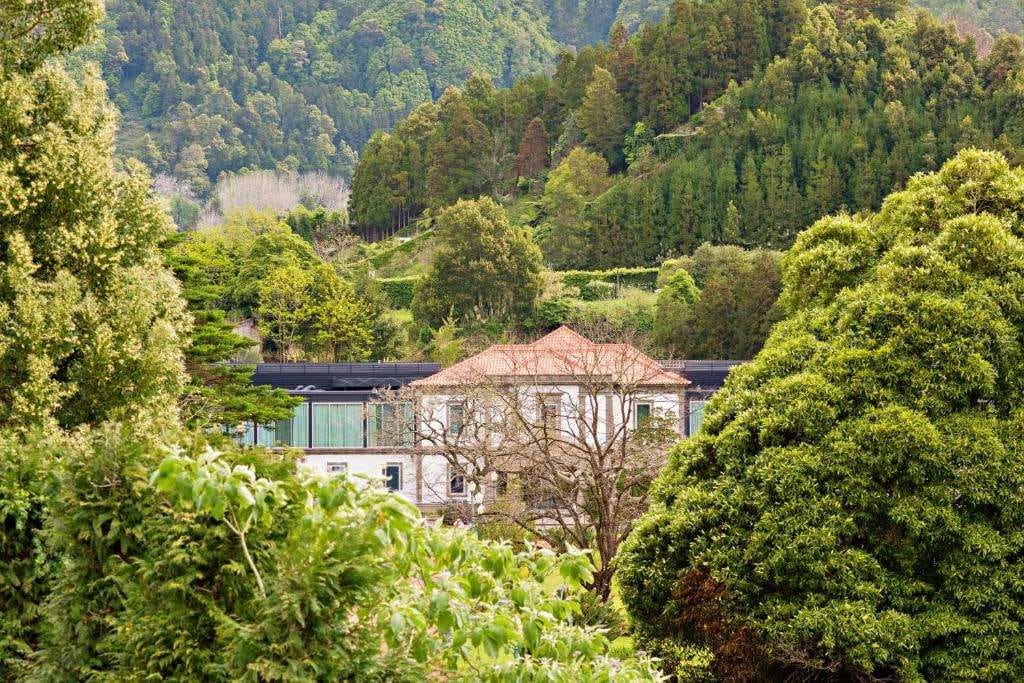
Octant Furnas
A contemporary thermal boutique hotel set in a volcanic valley of active hot springs.
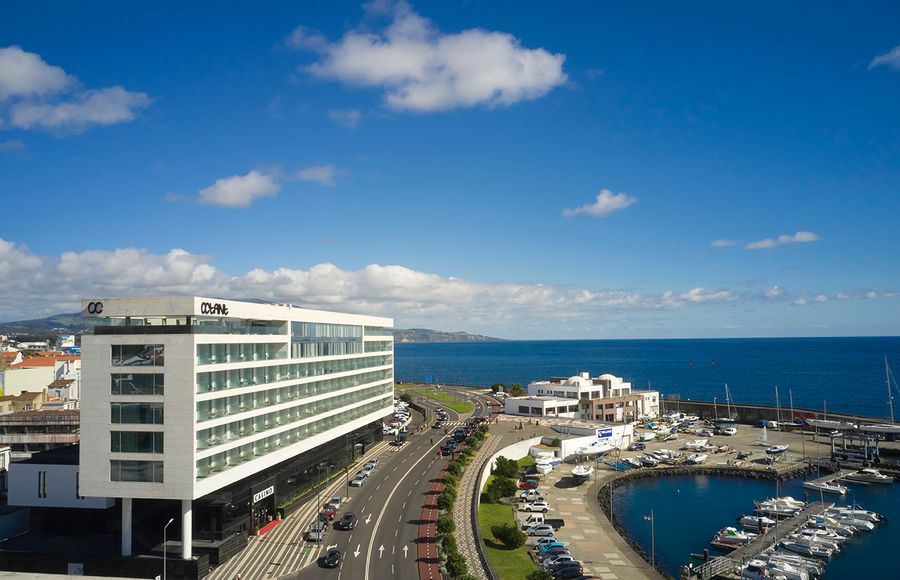
Octant Ponta Delgada
A vibrant marina-front hotel serving as the ultimate maritime gateway to the Atlantic.