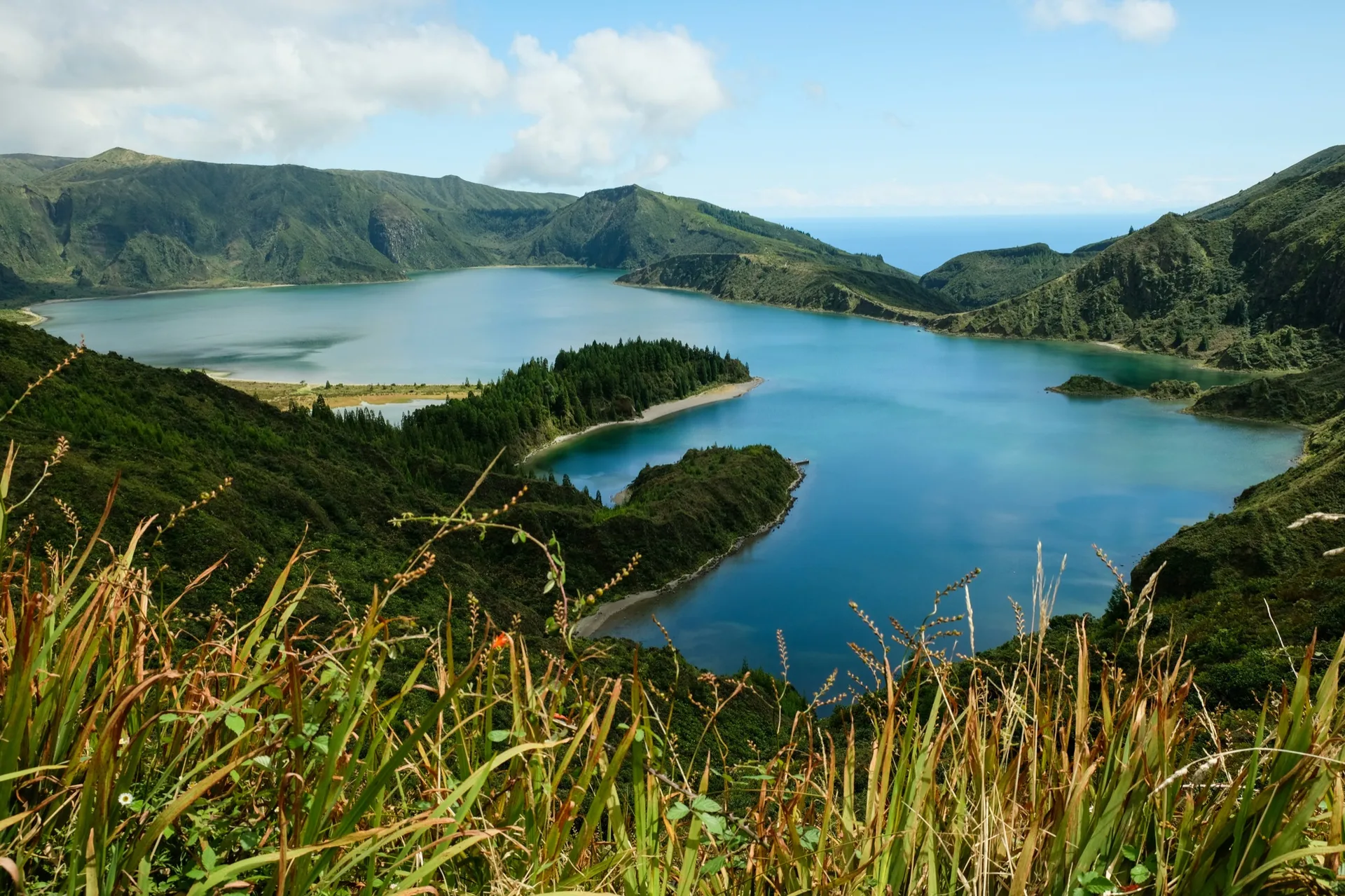
Azores, Portugal
Whale watching from Pico and São Miguel with resident sperm whales year-round, diving Princess Alice Bank for mobula rays and blue sharks, and hiking the caldera rim of Sete Cidades on São Miguel.
The Azores are one of the genuinely undervisited places left in the North Atlantic, and that is starting to change. São Miguel is the entry point for most visitors — the largest island, with the most developed infrastructure, direct flights from North America and most European capitals, and the dramatic caldera lakes that appear in every photograph of the archipelago.
The Azores are one of the genuinely undervisited places left in the North Atlantic, and that is starting to change. São Miguel is the entry point for most visitors — the largest island, with the most developed infrastructure, direct flights from North America and most European capitals, and the dramatic caldera lakes that appear in every photograph of the archipelago. But the serious traveller knows that the real Azores requires moving between islands. Pico is the whale watching and diving island, raw and less polished, with a 2,351-metre volcano looming above the vineyards and the best access to sperm whales in the Atlantic.
When to visit
Bar height = overall visitability. Color = conditions tier.
The last two weeks of April and first two weeks of May deliver the peak blue and fin whale migration, uncrowded trails and viewpoints, and full cetacean diversity — all before the summer visitor surge. Experienced Azores travellers consistently name this the finest window.
The Azores are mid-Atlantic and genuinely unpredictable in every month. Even in July, cloud can close over a caldera for days. Every outdoor activity — whale watching, diving at offshore seamounts, summit hikes — is weather-dependent. Build flexibility into every itinerary and carry a waterproof layer always.
The North Atlantic swell season runs opposite to summer — October through April brings the most consistent groundswell to São Miguel and Santa Maria, with offshore winds and uncrowded lineups. Water temperatures run 61–64°F; a 4/3mm wetsuit is comfortable through winter. This is the Azores for surfers, and it coincides with the lowest prices of the year.
What's good, and when
July: Peak Summer
Ready to plan your trip?
Tell us when and how you travel — we'll match it to the right months, the right properties, and the right price.
Hotels & Lodges
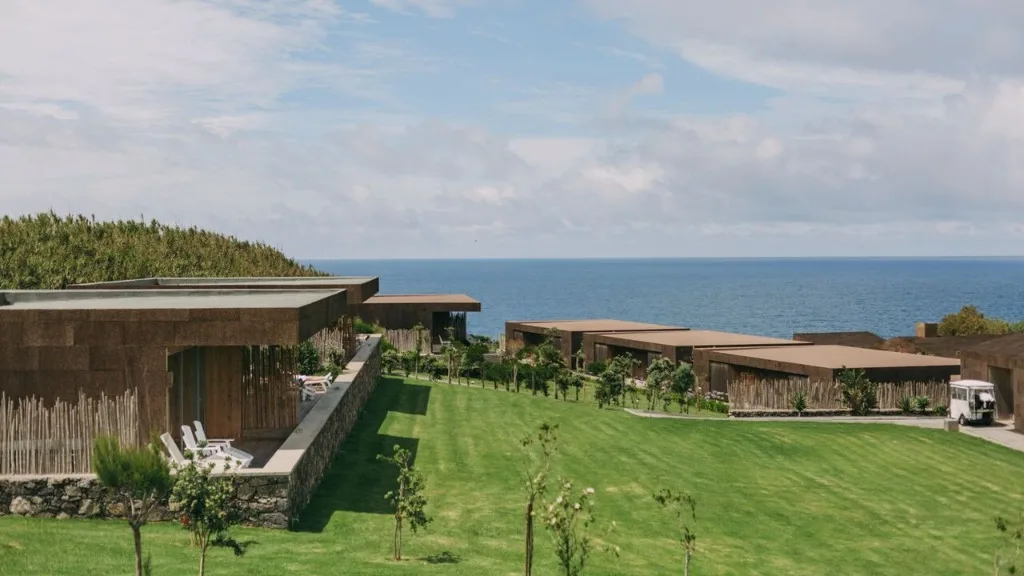
Santa Bárbara Eco-Beach Resort
Modern villas on the volcanic black sands of São Miguel.
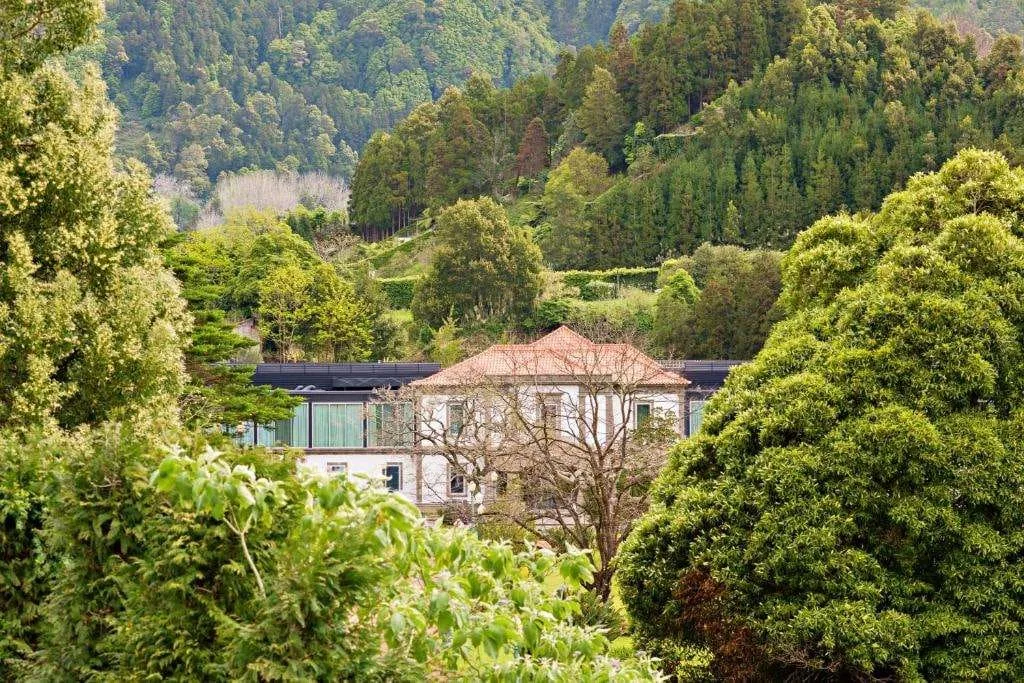
Octant Furnas
A contemporary thermal boutique hotel set in a volcanic valley of active hot springs.
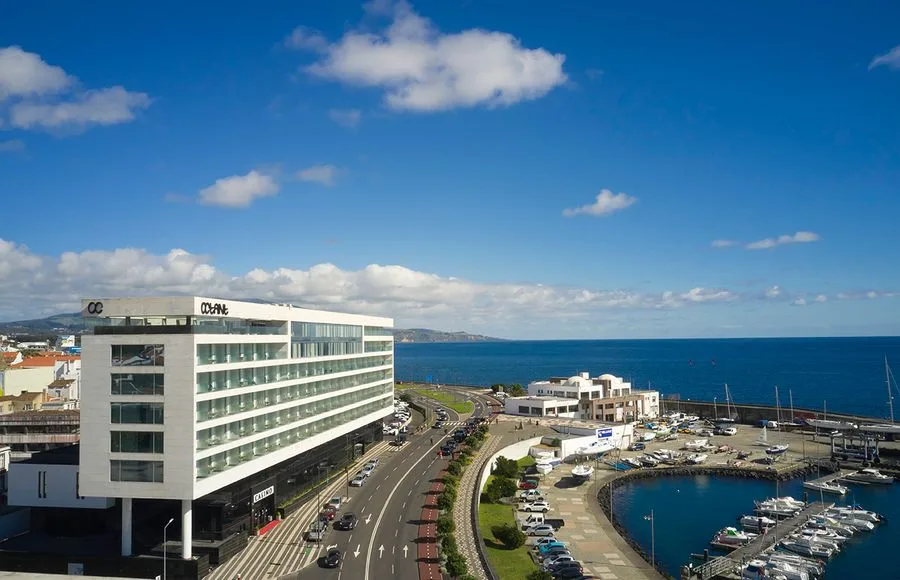
Octant Ponta Delgada
A vibrant marina-front hotel serving as the ultimate maritime gateway to the Atlantic.
The Reality Check
The Azores is not one destination — plan by island
São Miguel, Pico, Faial, Terceira, and São Jorge each have distinct characters and activities. São Miguel is the entry point for first-timers. Pico is the whale watching and serious diving island. Faial is the sailor's island with the Capelinhos volcano. Trying to see all nine islands in one trip means seeing none of them well. Pick two or three and go deep.
Pick 2–3 IslandsPrincess Alice Bank is for experienced divers only
The seamount 80 kilometres south of Pico is one of the finest pelagic dives in the Atlantic — but it is a 3-hour open ocean crossing, depths of 30–40 metres, strong currents, and entirely weather-dependent. Advanced certification required. Departures are cancelled regularly. If this dive is your priority, build extra days into your schedule and accept that it may not happen.
Advanced Divers OnlyAlways carry a waterproof layer
The Azores receive Atlantic weather systems year-round. Cloud can close in on a caldera, a summit, or an entire island with almost no warning, even in July and August. Every outdoor plan should have a weather contingency. The flip side: the weather opens just as suddenly, and what you see when it does is worth the wait.
Waterproof AlwaysYour island depends on what you're here to do
São Miguel has the infrastructure, the airport, and the caldera hikes — but it is not the whale watching island or the best surf island. Pico is where you go to dive Princess Alice Bank and be closest to the sperm whales. Santa Maria and the western coast of São Miguel are where you go to surf. Faial is for sailors and the Capelinhos volcano. Spreading too thin across too many islands means doing none of them properly — pick your priority activity first, then build the islands around it.
Activity First, Then Island