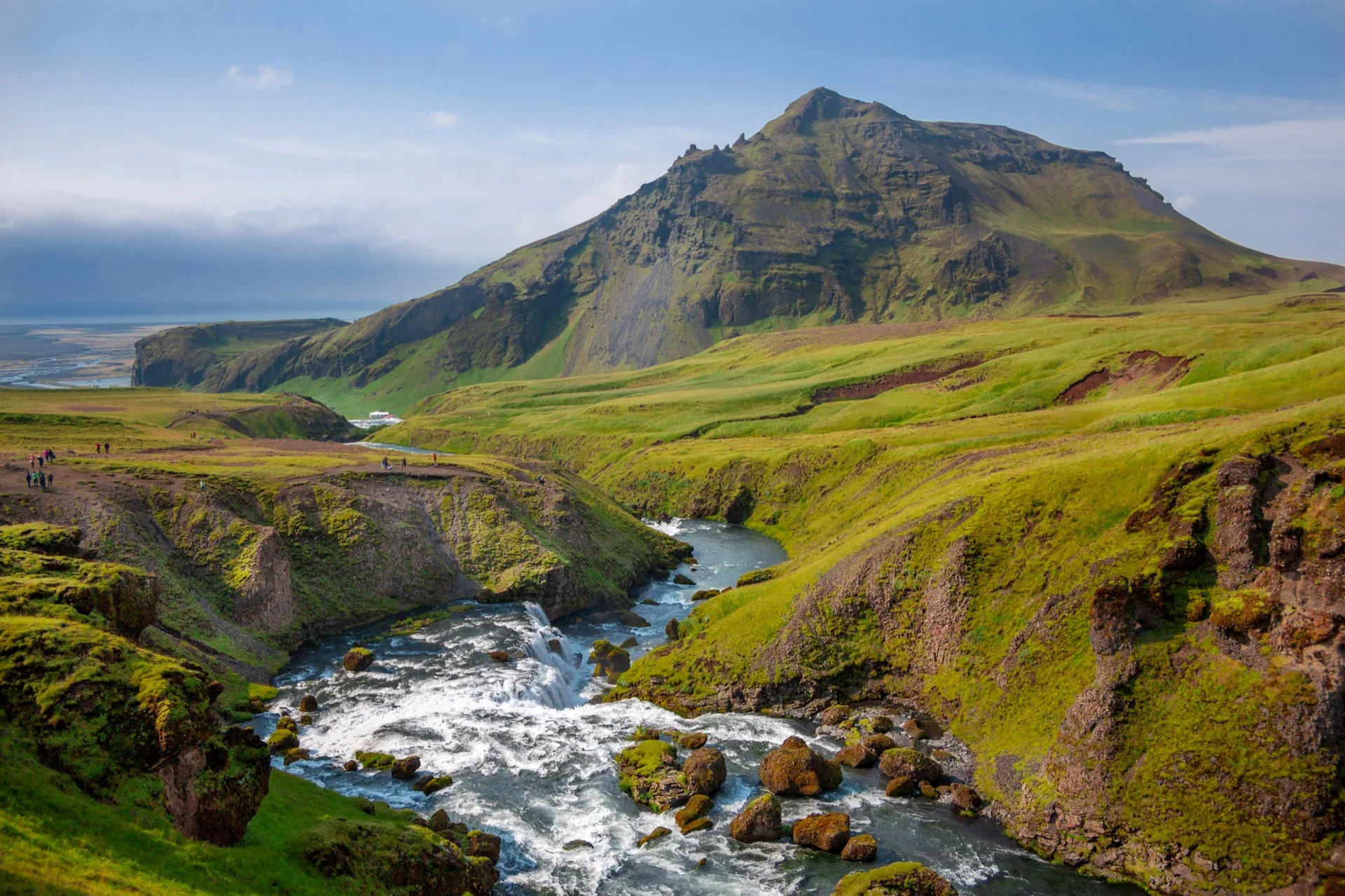
Whale watching in Skjálfandi Bay out of Húsavík, puffin watching on the Látrabjarg cliffs of the Westfjords, and hiking the Laugavegur Trail under the midnight sun.
Vibe
Fire, Ice & Endless Light
Peak Wildlife
Jun - Aug
Getting Here
Direct to KEF
Footprint
Ring Road Country
The Honest Pitch
Iceland asks you to decide what you are here for before you arrive, because the answer changes the entire trip. Summer — June through August — delivers the midnight sun, puffins on the cliffs, humpback whales breaching in Skjálfandi Bay, and the Laugavegur Trail fully open through the highlands.
The Honest Pitch
Iceland asks you to decide what you are here for before you arrive, because the answer changes the entire trip. Summer — June through August — delivers the midnight sun, puffins on the cliffs, humpback whales breaching in Skjálfandi Bay, and the Laugavegur Trail fully open through the highlands. The days are endless and the wildlife is extraordinary. September is the transition: the puffins leave, the first Northern Lights appear as the sky finally darkens, and the summer crowds drop sharply.
Getting Here
KEFRecommended
Keflavík International Airport
45min to Reykjavík
45min to Reykjavík
RVK
Reykjavík Domestic Airport
45min flight to Akureyri or Ísafjörður
45min flight to Akureyri or Ísafjörður
A rental car is essential for anything beyond Reykjavík. The Ring Road (Route 1) is paved and accessible year-round, but highland F-roads require a 4WD and are closed October through June. Book rental cars well in advance — demand peaks sharply in summer and prices are significantly higher when left to the last week. Petrol stations are sparse in the Westfjords; fill up whenever you can.
Seasonal Conditions
When to visit
Bar height = overall visitability. Color = conditions tier.
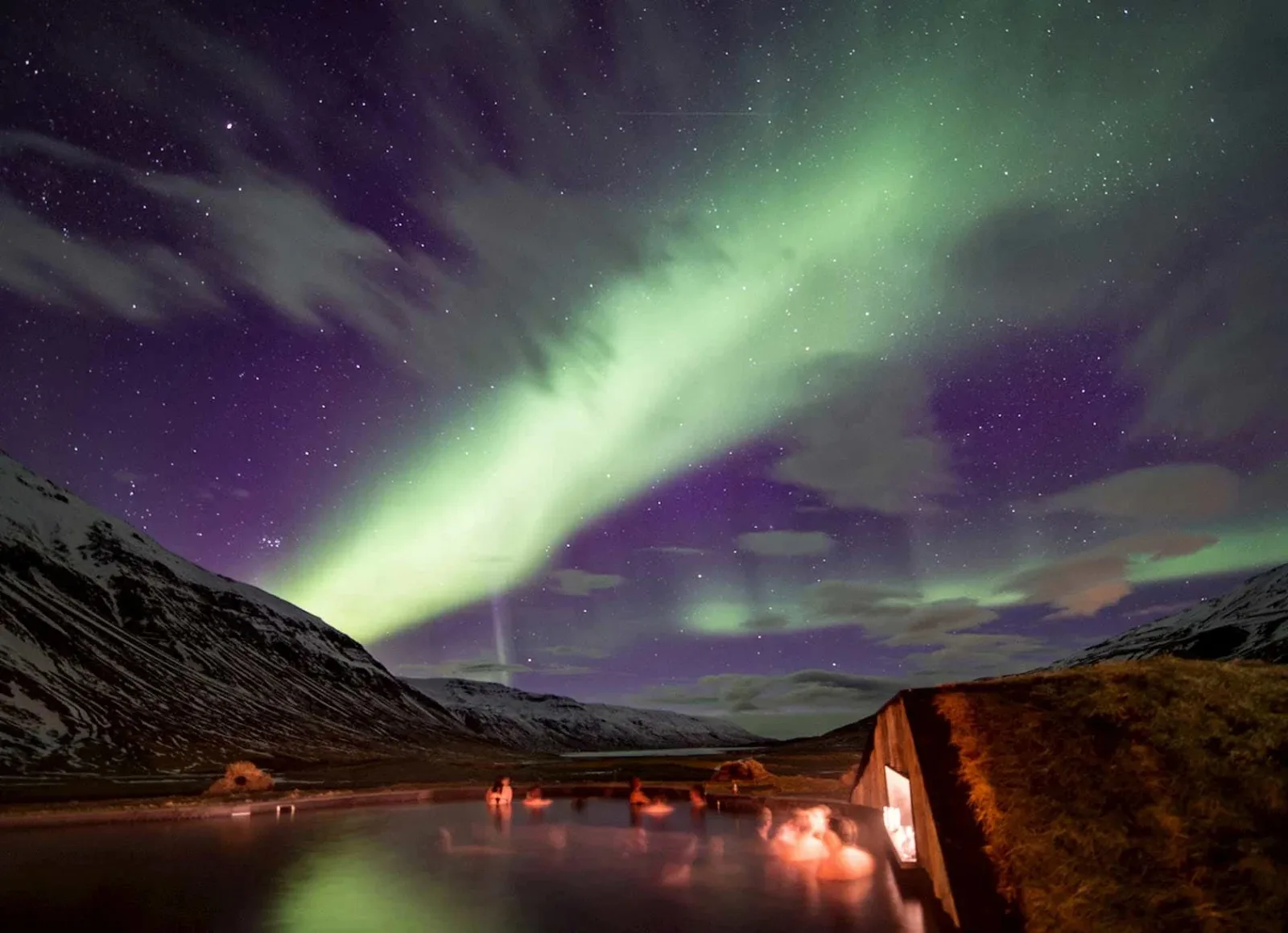
The midnight sun runs May through August and makes Northern Lights viewing impossible — the sky never gets dark enough. Aurora season runs September through April. You cannot have both in the same trip unless you visit in the very narrow transition windows of late August or late April.
2025–2026 Is a Peak Solar Window
The sun reached maximum activity around 2025, with elevated solar storms carrying into 2026. Northern Lights displays this year are significantly stronger and more frequent than in a typical year. The next comparable opportunity is the mid-2030s.
Laugavegur Trail and highland F-roads fully open — the only month the full trail is reliably accessible
Whale watching at Húsavík at peak activity — near-100% sighting rate
All roads and facilities across Iceland operating
Warmest month of the year — average highs 13–17°C
Workable
The busiest month of the year — Seljalandsfoss, Skógafoss, and Reynisfjara are genuinely crowded
Book accommodation and rental cars months in advance
Skip
Walk-in availability at quality lodges
Northern Lights
Getting Here
KEFRecommended
Keflavík International Airport
45min to Reykjavík
45min to Reykjavík
RVK
Reykjavík Domestic Airport
45min flight to Akureyri or Ísafjörður
45min flight to Akureyri or Ísafjörður
A rental car is essential for anything beyond Reykjavík. The Ring Road (Route 1) is paved and accessible year-round, but highland F-roads require a 4WD and are closed October through June. Book rental cars well in advance — demand peaks sharply in summer and prices are significantly higher when left to the last week. Petrol stations are sparse in the Westfjords; fill up whenever you can.
Ready to plan your trip?
Tell us when and how you travel — we'll match it to the right months, the right properties, and the right price.
Where to Stay
Hotels & Lodges
South Coast
Southern Coast Meadows
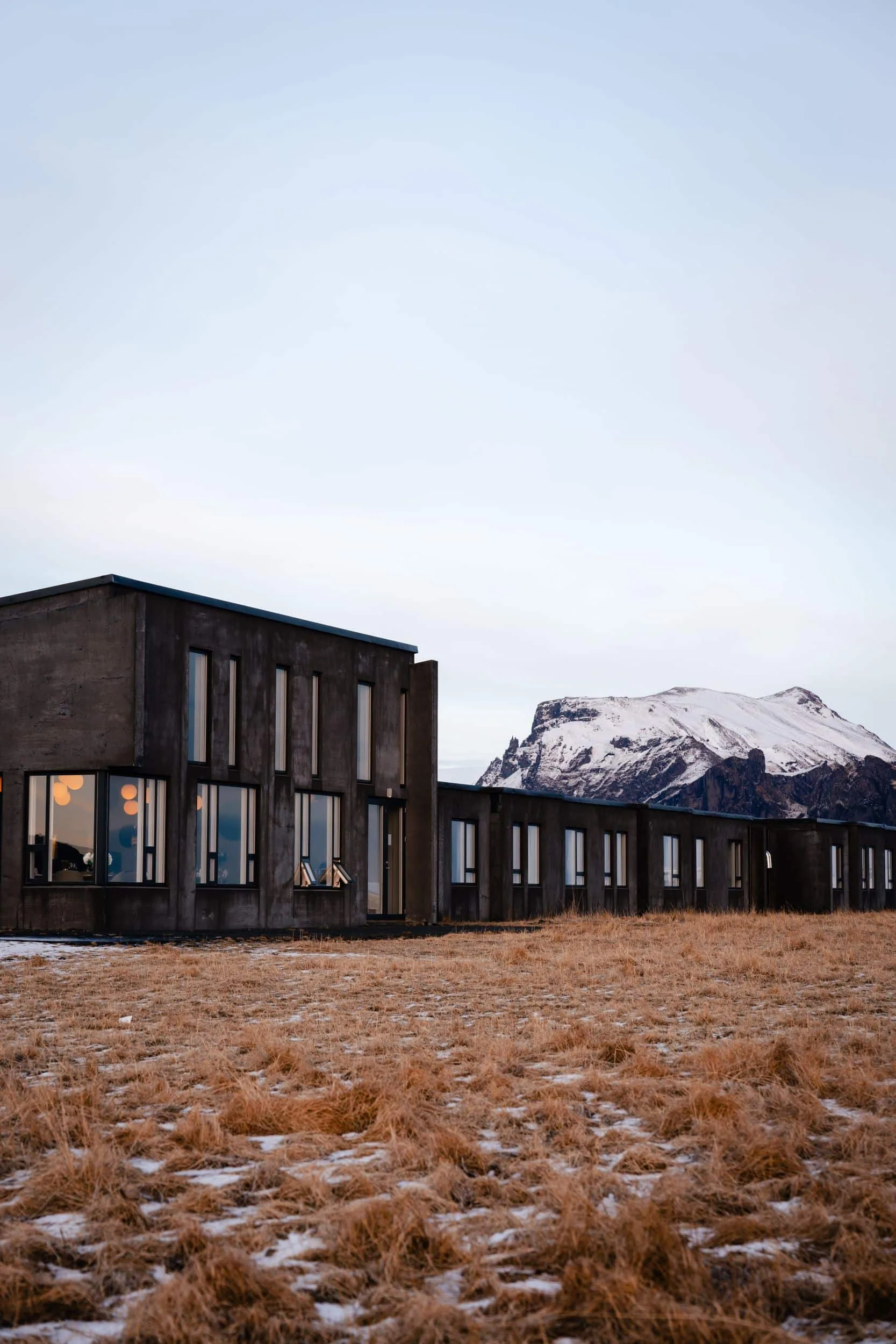
Umi Hotel
A volcanic sanctuary where the mountains meet the black sand coast.
Pack for all four seasons regardless of when you go
Iceland's weather is genuinely unpredictable at any time of year. Sun, rain, wind, and sleet in a single afternoon is not unusual. A waterproof outer layer, warm mid-layer, and base layers are non-negotiable in every month. The Icelandic saying — 'if you don't like the weather, wait five minutes' — is not an exaggeration.
Layers Always
02
The Northern Lights require darkness, clear skies, and patience
Northern Lights tours are not guaranteed. Cloud cover — and Iceland is one of the cloudiest countries in northern Europe — will cancel out even a strong aurora display completely. Staying for at least five nights significantly improves your odds. Single-night trips built around aurora viewing are a gamble. Check Veður, the Icelandic Met Office aurora forecast, the evening of your planned viewing — not the day before.
5+ Nights for Auroras
03
Highland F-roads require a 4WD and are closed most of the year
The Laugavegur Trail, Landmannalaugar, and the central highlands are accessible only from approximately late June through September, and only in a 4WD vehicle with high clearance. River crossings are common and real — standard rental cars are not covered by insurance on F-roads. If the highlands are on your list, book the right vehicle and go in July or August.
4WD Required for Highlands
04
Ice caves are a winter-only experience
The ice caves inside Vatnajökull glacier are only accessible from approximately November through March, when cold temperatures stabilize the glacier and make guided entry safe. In summer the ice melts and shifts — tours do not operate. All ice cave visits require a certified glacier guide; going independently is not permitted and genuinely dangerous. Book well in advance for December and January, which fill months ahead.
Nov–Mar Only, Guide Required
Reference
Month by Month — Iceland
Jan
Northern Lights — up to 18 hours of darkness maximizes viewing windows
Feb
Northern Lights — the strongest and most consistent month for aurora viewing
Mar
Northern Lights still very good — equinox geomagnetic activity boosts aurora chances in the weeks around March 20
Apr
First puffins returning to coastal cliffs from mid-April — early and uncrowded views
May
Puffins arriving in large numbers at Látrabjarg, Dyrhólaey, and Borgarfjörður Eystri
Jun
Midnight sun — the sun barely dips below the horizon and the sky never goes dark
Jul
Laugavegur Trail and highland F-roads fully open — the only month the full trail is reliably accessible
Aug
Whale watching still excellent — humpbacks remain active in Skjálfandi Bay
Sep
Northern Lights season begins properly as nights darken — equinox activity boosts aurora odds
Oct
Northern Lights peak season in full swing — October and February are the two strongest months
Nov
Northern Lights — over 14 hours of darkness per day and aurora season deepening
Dec
Northern Lights — the darkest nights of the year, only 4–5 hours of daylight