Wildlife Tracking in Iceland
Iceland's wildlife operates on the midnight sun calendar, and the summer months reveal a country that is more alive than its stark winter landscape suggests. Arctic foxes — Iceland's only native land mammal — are most visible in June and July when they're feeding cubs and ranging widely across the lava fields and coastal headlands.
Iceland's wildlife operates on the midnight sun calendar, and the summer months reveal a country that is more alive than its stark winter landscape suggests. Arctic foxes — Iceland's only native land mammal — are most visible in June and July when they're feeding cubs and ranging widely across the lava fields and coastal headlands. The Westfjords hold the densest population and the most reliable sightings, particularly around Hornstrandir Nature Reserve where foxes have no fear of humans. Harbor seals and grey seals haul out year-round on Iceland's black sand beaches and river mouths — Jökulsárlón glacier lagoon, where seals rest on icebergs drifting toward the sea, is one of the more surreal wildlife encounters the country offers in any season.
Weather & Conditions
| Month | High / Low | Rain Days | Conditions |
|---|---|---|---|
| Jan | 35° / 26°F | 14 | Good |
| Feb | 36° / 27°F | 12 | Good |
| Mar | 39° / 28°F | 13 | Good |
| Apr | 43° / 31°F | 12 | Good |
| May | 48° / 36°F | 11 | Good |
| Jun | 54° / 41°F | 10 | Peak |
| Jul | 57° / 45°F | 11 | Peak |
| Aug | 57° / 45°F | 13 | Peak |
| Sep | 51° / 39°F | 14 | Peak |
| Oct | 44° / 34°F | 15 | Good |
| Nov | 39° / 29°F | 14 | Good |
| Dec | 36° / 27°F | 15 | Good |
Where to Go
Base city. Restaurants, culture, Old Harbour whale watching, and the gateway to the South Coast.
Southernmost village. Reynisfjara black sand beach, Dyrhólaey puffin arch, and Mýrdalsjökull glacier.
Skógafoss waterfall and the Fimmvörðuháls trailhead. Gateway to the Laugavegur Trail from the south.
The premier whale watching base in Iceland. 97–99% sighting success rate May–September on Skjálfandi Bay.
Capital of North Iceland. Base for Húsavík day trips and domestic flight hub.
Europe's largest bird cliff. 14km of puffin colonies, peak June–July. Remote Westfjords — 5hr+ from Reykjavík.
Main town of the Westfjords. Boat tours to Vigur Island puffin colony. Domestic airport.
Snæfellsjökull glacier, lava fields, orca watching in winter from Ólafsvík.
Start of the Laugavegur Trail. Natural hot spring pools. F-road access — 4WD only, open July–September.
Glacial lagoon filled with icebergs calving from Vatnajökull. Accessible year-round on the Ring Road.
Waterfall you can walk behind. South Coast. Accessible year-round but icy path in winter.
Know Before You Go
Iceland's weather is genuinely unpredictable at any time of year. Sun, rain, wind, and sleet in a single afternoon is not unusual. A waterproof outer layer, warm mid-layer, and base layers are non-negotiable in every month. The Icelandic saying — 'if you don't like the weather, wait five minutes' — is not an exaggeration.
Northern Lights tours are not guaranteed. Cloud cover — and Iceland is one of the cloudiest countries in northern Europe — will cancel out even a strong aurora display completely. Staying for at least five nights significantly improves your odds. Single-night trips built around aurora viewing are a gamble. Check Veður, the Icelandic Met Office aurora forecast, the evening of your planned viewing — not the day before.
The Laugavegur Trail, Landmannalaugar, and the central highlands are accessible only from approximately late June through September, and only in a 4WD vehicle with high clearance. River crossings are common and real — standard rental cars are not covered by insurance on F-roads. If the highlands are on your list, book the right vehicle and go in July or August.
The ice caves inside Vatnajökull glacier are only accessible from approximately November through March, when cold temperatures stabilize the glacier and make guided entry safe. In summer the ice melts and shifts — tours do not operate. All ice cave visits require a certified glacier guide; going independently is not permitted and genuinely dangerous. Book well in advance for December and January, which fill months ahead.
Ready to plan your wildlife tracking window?
Tell us when and how you travel — we'll match it to the right months, the right properties, and the right price.
Hotels & Lodges for Wildlife Tracking
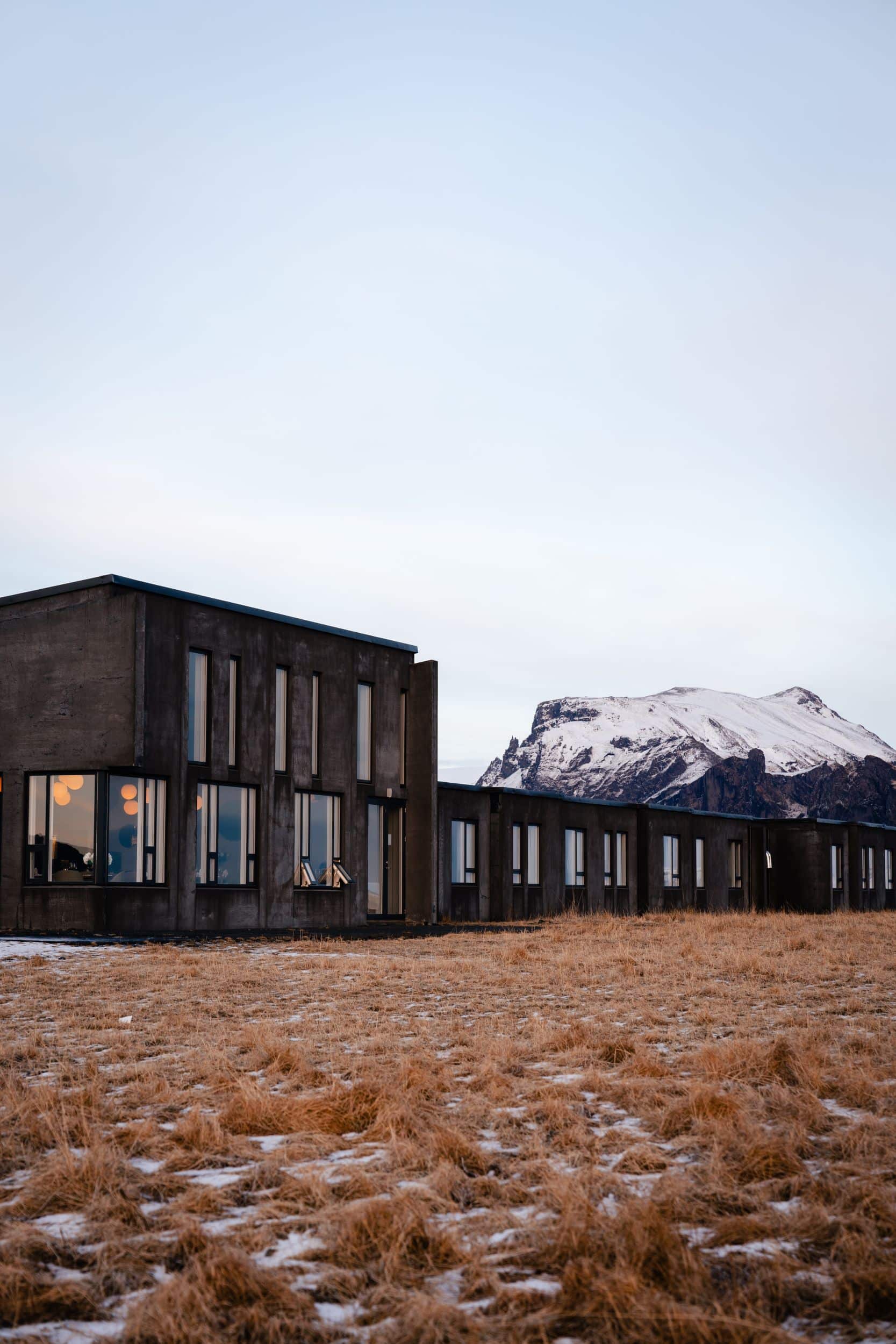
Umi Hotel
A volcanic sanctuary where the mountains meet the black sand coast.
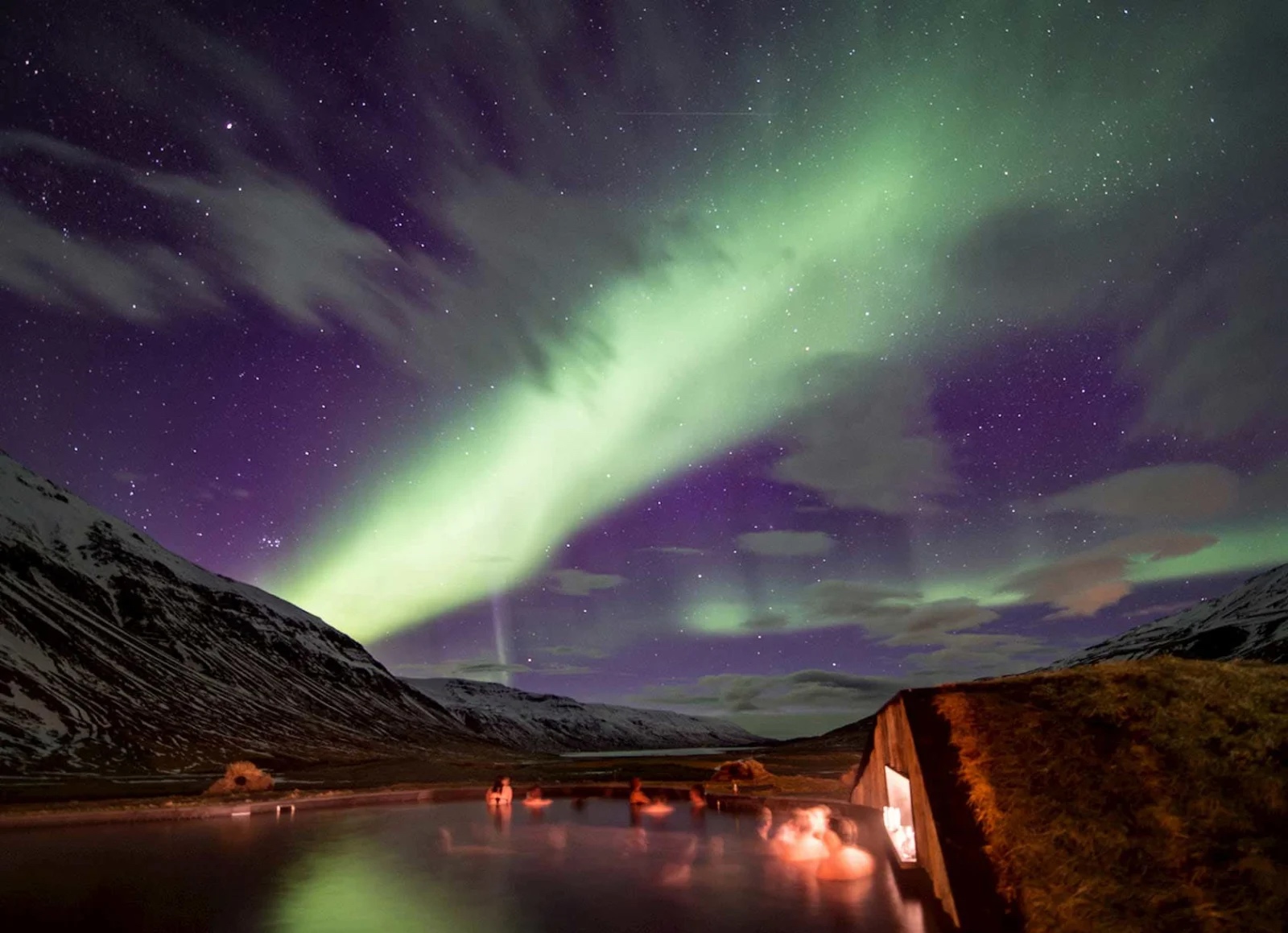
Eleven Deplar Farm
An ultra-exclusive, turf-roofed adventure lodge in the remote Fljót Valley of northern Iceland.