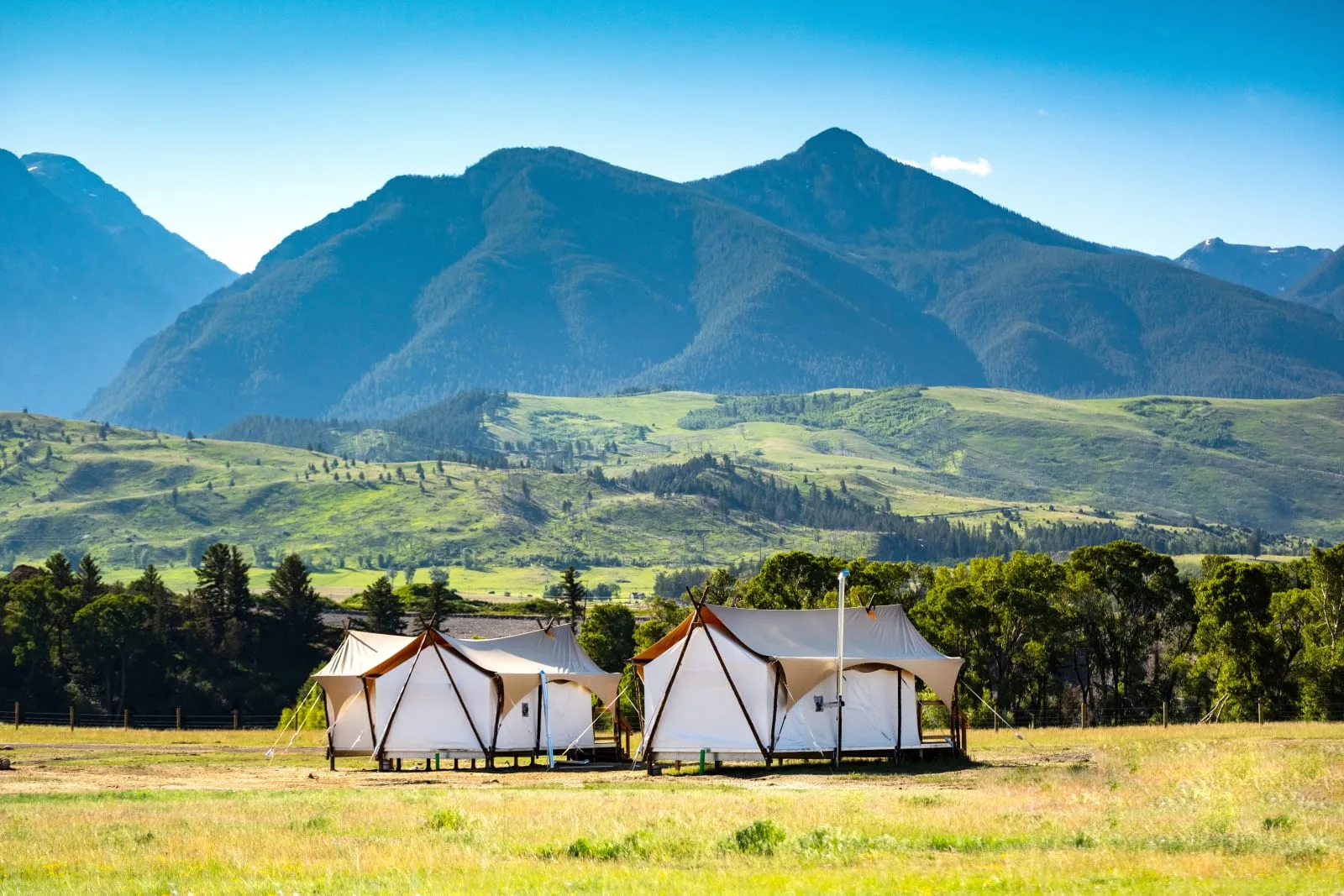
Wildlife tracking in Lamar Valley and Hayden Valley, fly fishing the Snake River for native cutthroat trout, and hiking the Teton Crest Trail above 10,000 feet.
Vibe
High Alpine & Wild
Peak Nature
Jun - Sep
Getting Here
Direct to JAC
Footprint
2.5M Acres
The Honest Pitch
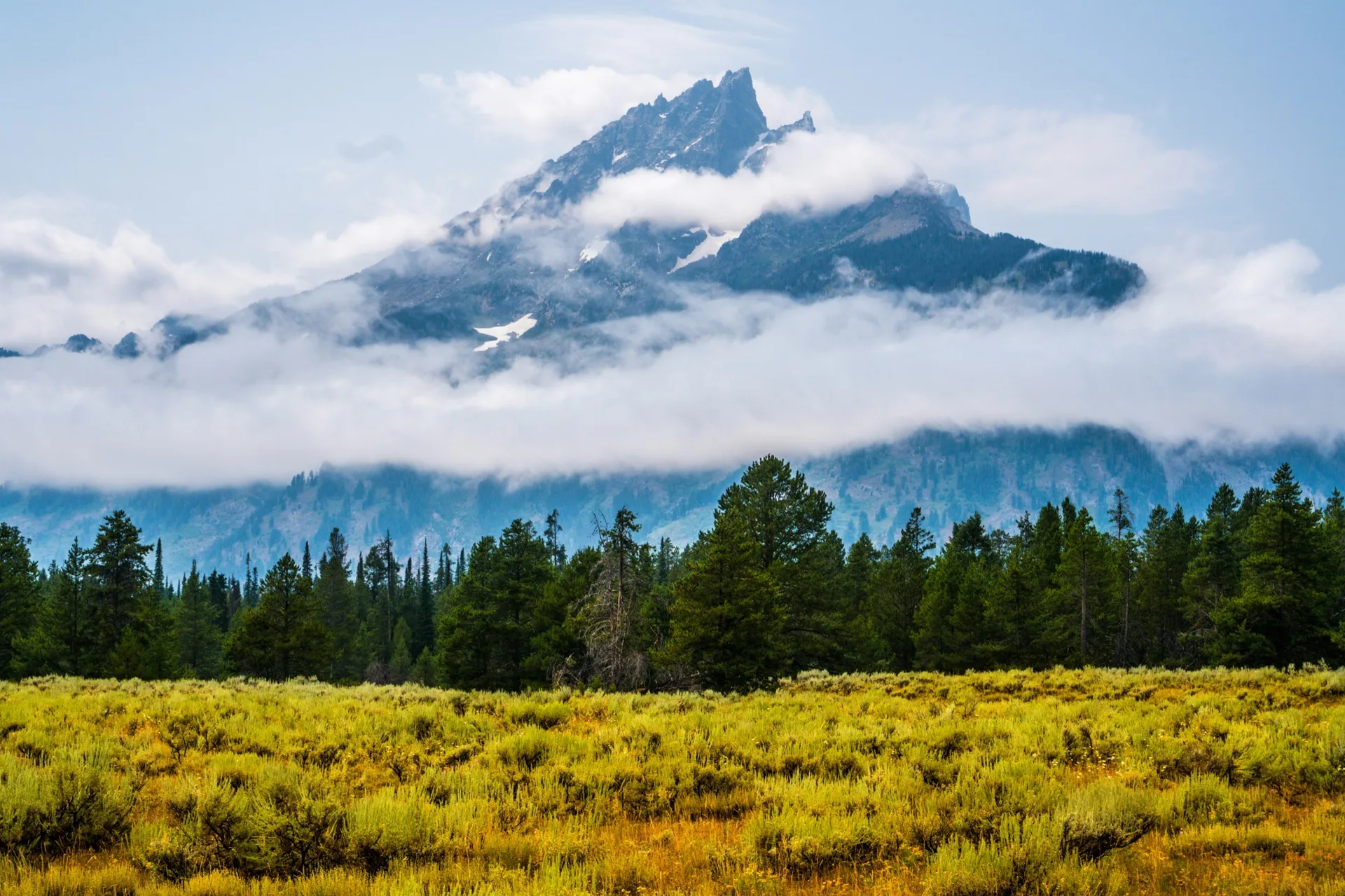
The Tetons are the kind of mountains that stop a car. You come around a bend on Highway 191 and they are just there — no gradual climb, no foothills warning you, just a 7,000-foot wall of granite rising from the valley floor with the Snake River in the foreground.
The Honest Pitch
The Tetons are the kind of mountains that stop a car. You come around a bend on Highway 191 and they are just there — no gradual climb, no foothills warning you, just a 7,000-foot wall of granite rising from the valley floor with the Snake River in the foreground. The wildlife in Lamar Valley is the real thing: wolves hunt in packs, grizzlies dig for roots in the meadows, bison move in herds across roads without noticing you. The fly fishing on the Snake is world-class, with native fine-spotted cutthroat that have been eating dry flies here for ten thousand years.
Getting Here
JACRecommended
Jackson Hole Airport
20min to Jackson · 1hr to Yellowstone South Entrance
20min to Jackson · 1hr to Yellowstone South Entrance
SLC
Salt Lake City International
4.5hr Drive
4.5hr Drive
A rental car is essential. Jackson is well-connected within town via the START Bus, but Grand Teton and Yellowstone require your own vehicle — the parks are enormous and there is no meaningful public transit inside either of them. Book rental cars well ahead for summer travel; JAC inventory sells out early and rates spike significantly in July and August.
Seasonal Conditions
When to visit
Bar height = overall visitability. Color = conditions tier.
After Labor Day the crowds drop, the elk rut begins, the aspen turns gold, and the Snake River fishing hits its fall peak. Guides and locals consistently call September the finest month to visit — and lodges are easier to book than July.
Pack for All Four Seasons in One Week
Jackson Hole sits at 6,200 feet. A July afternoon can reach 85°F and the same night can flirt with freezing. Pack layers regardless of season — lightweight insulation, a waterproof shell, and sun protection are required year-round.
Elk rut peaks mid-September — bugling echoes through the valleys at dawn and dusk
Crowds drop significantly after Labor Day
Fall aspen color begins on the valley slopes
Snake River fishing remains excellent as fish feed aggressively before winter
Workable
Cooler temperatures, especially at night — pack warm layers
Some facilities closing in late September
Skip
Nothing — September is the insider answer to when to come
Getting Here
JACRecommended
Jackson Hole Airport
20min to Jackson · 1hr to Yellowstone South Entrance
20min to Jackson · 1hr to Yellowstone South Entrance
SLC
Salt Lake City International
4.5hr Drive
4.5hr Drive
A rental car is essential. Jackson is well-connected within town via the START Bus, but Grand Teton and Yellowstone require your own vehicle — the parks are enormous and there is no meaningful public transit inside either of them. Book rental cars well ahead for summer travel; JAC inventory sells out early and rates spike significantly in July and August.
Ready to plan your trip?
Tell us when and how you travel — we'll match it to the right months, the right properties, and the right price.
Where to Stay
Hotels & Lodges
Teton Village
High Alpine Valley
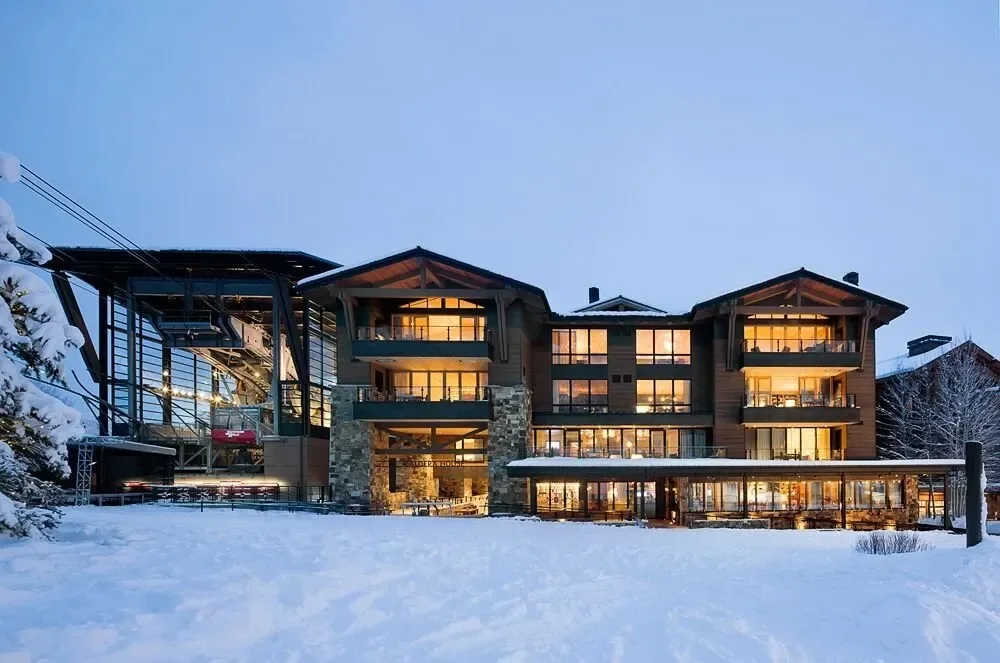
Caldera House
An intimate alpine club of expansive residential suites at the base of the Jackson Hole tram.
Yellowstone alone covers 2.2 million acres. Old Faithful is 56 miles and well over an hour from Lamar Valley. Many visitors try to see everything in a day and see nothing well. Pick a zone — the Northern Range for wildlife, the Geyser Basins for thermal features, the Tetons for hiking — and go deep into it rather than driving the entire loop.
Pick a Zone
02
Summer fills up months in advance
Top lodges in Jackson Hole and inside the parks book out in March and April for July and August. Rental cars in Jackson during peak summer are scarce and expensive if left to the last minute. The September shoulder window is easier to book and often delivers better experiences — but even that fills by June.
Book Early
03
Wildlife is found early and late — not at noon
Bison, wolves, grizzlies, and elk are most active at sunrise and sunset. Midday in Yellowstone and Grand Teton means animals are resting and out of sight. Plan to be in Lamar Valley or Hayden Valley by 5:30am in summer and stay until the light goes. Midday is for lunch, a nap, and driving between zones.
Dawn & Dusk Only
Reference
Month by Month — Yellowstone & Grand Teton, Wyoming
Jan
Wolf watching on the Northern Range — wolves are most visible in winter snow
Feb
Prime wolf watching — packs are actively hunting on the Northern Range
Mar
First grizzlies emerging from hibernation — one of the most exciting wildlife events of the year
Apr
Bison red dog calves appearing in Lamar Valley from late April
May
Wildlife viewing with spring green — grizzlies, wolves, bison, and new calves all active
Jun
Snake River clears from runoff and dry fly fishing begins in earnest
Jul
Peak hiking season — Teton Crest Trail, Cascade Canyon, and all high routes fully open
Aug
Teton wildflowers at peak — late July through early August is the finest display
Sep
Elk rut peaks mid-September — bugling echoes through the valleys at dawn and dusk
Oct
Peak fall aspen color in the valley — the first two weeks of October are stunning
Nov
Elk herds gathering near the National Elk Refuge on the valley floor
Dec
Jackson Hole Mountain Resort fully open — some of the best skiing in North America
Decision Guides
Head-to-Head Comparisons in Yellowstone & Grand Teton, Wyoming
Direct comparisons of rates, atmosphere, and setting to help you pick the right property.