Stargazing & Aurora in Patagonia, Chile & Argentina
Patagonia sits at latitudes between 45 and 55 degrees south — far enough from the equator that the southern sky opens up in a way that no northern hemisphere location can match. The Magellanic Clouds, the two satellite galaxies of the Milky Way visible only from the southern hemisphere, are naked-eye objects hanging above the horizon like detached sections of the Milky Way itself.
Patagonia sits at latitudes between 45 and 55 degrees south — far enough from the equator that the southern sky opens up in a way that no northern hemisphere location can match. The Magellanic Clouds, the two satellite galaxies of the Milky Way visible only from the southern hemisphere, are naked-eye objects hanging above the horizon like detached sections of the Milky Way itself. The Southern Cross and the Eta Carinae Nebula are overhead rather than near the horizon. The steppe east of Torres del Paine is the finest viewing location — flat, treeless, and virtually without light pollution for hundreds of kilometres in every direction.
Weather & Conditions
Showing viable months only — Jan, Feb, Mar, Jun, Jul, Aug, Sep, Oct are off-season for this activity.
| Month | High / Low | Rain Days | Conditions |
|---|---|---|---|
| Apr | 42° / 30°F | 10 | Peak |
| May | 44° / 32°F | 10 | Peak |
| Nov | 57° / 41°F | 11 | Good |
| Dec | 61° / 44°F | 12 | Good |
Where to Go
2.4 million acre UNESCO Biosphere Reserve. W Trek, O Circuit, Grey Glacier, pumas, condors, guanacos.
The defining viewpoint of the park. 5-hour hike from Hostería Las Torres. The three granite towers reflected in a glacial tarn.
Part of the Southern Patagonian Ice Field. Accessible by boat, kayak, or the W Trek western arm. Ice trekking available.
Gateway town for Torres del Paine. 110km from park entrance. Gear shops, restaurants, trek operators.
Closest major airport (PUQ) to Torres del Paine. 3-hour drive to Puerto Natales.
Argentine gateway. Airport (FTE) with daily flights to Buenos Aires. Base for Perito Moreno Glacier.
One of the world's only advancing glaciers. Calves into Lago Argentino. Accessible by boardwalk year-round. Ice trekking available.
Argentina's trekking capital. No permit required for Fitz Roy and Cerro Torre day hikes. 3hr from El Calafate.
The skyline that inspired the Patagonia clothing logo. Day hikes from El Chaltén to Laguna de los Tres. No permits required.
The premier puma tracking base outside Torres del Paine. Working estancia bordering the park with a conservation research program.
World's southernmost city. Airport (USH). Tierra del Fuego National Park. Beagle Channel. Antarctica departure point.
Know Before You Go
All accommodation on the W Trek and O Circuit must be booked online in advance — walk-up entry is no longer permitted. The booking window for each season opens in early April through Vertice Patagonia and Las Torres Patagonia. January and early February dates sell out within days of opening. If the W Trek is your primary reason for visiting, book the moment the season window opens. For a December or January 2027 trip, book in April 2026.
Patagonian weather changes in minutes, not hours. A clear blue morning can become a full whiteout by noon and return to sunshine by 3pm. Wind gusts on exposed sections of the W Trek regularly exceed 100 km/h in November and December. Every day in the park requires waterproof outer layers, warm mid-layers, sun protection, and wind gear regardless of the forecast. The forecasts in Puerto Natales are not reliable for conditions inside the park.
Torres del Paine and Los Glaciares National Park are separated by 5 to 6 hours by bus and are complementary rather than competing destinations. Torres del Paine is the finest multi-day hiking in South America. Perito Moreno Glacier and the Fitz Roy day hikes from El Chaltén are genuinely different experiences that reward the border crossing. Most serious Patagonia trips of 10 days or more cover both. Fly into Santiago, out of Buenos Aires — or vice versa.
Ready to plan your stargazing & aurora window?
Tell us when and how you travel — we'll match it to the right months, the right properties, and the right price.
Hotels & Lodges for Stargazing & Aurora
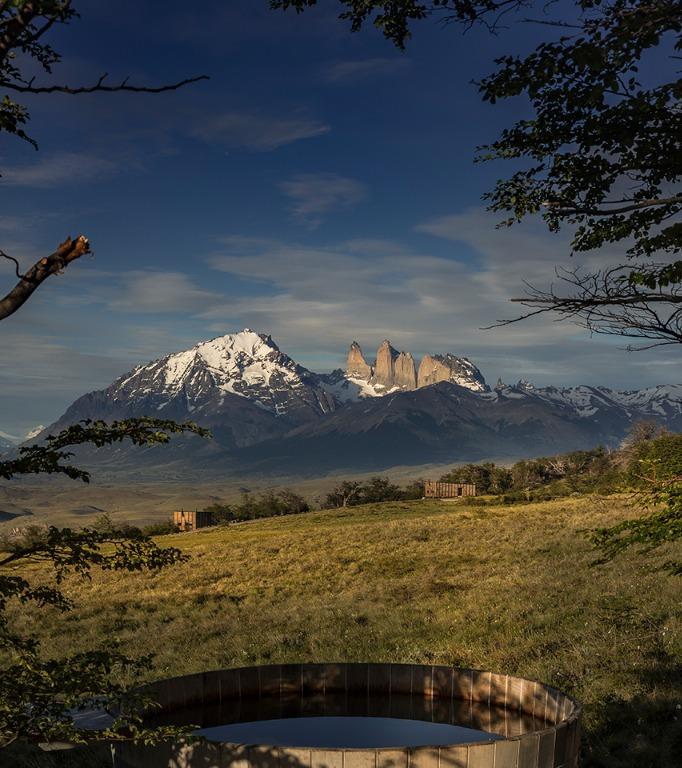
Awasi Patagonia
The most exclusive lodge in Patagonia with private guides.
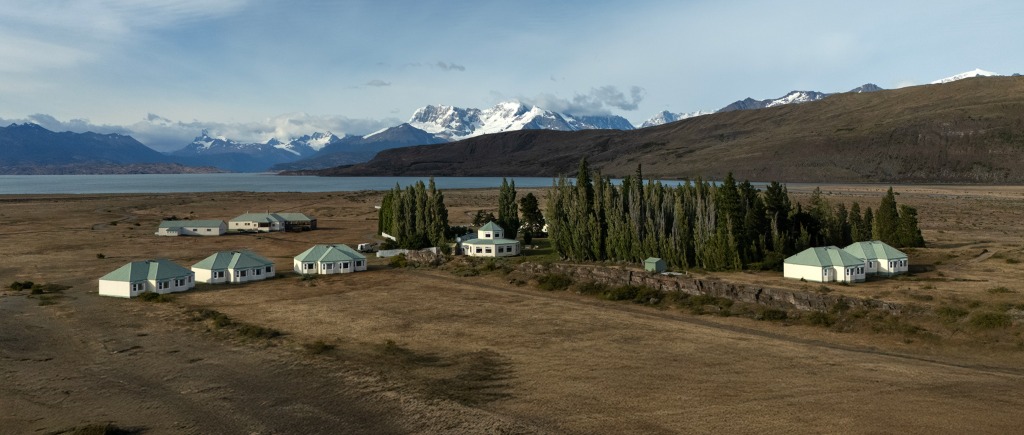
Estancia Cristina
A historic sheep ranch accessible only by boat.
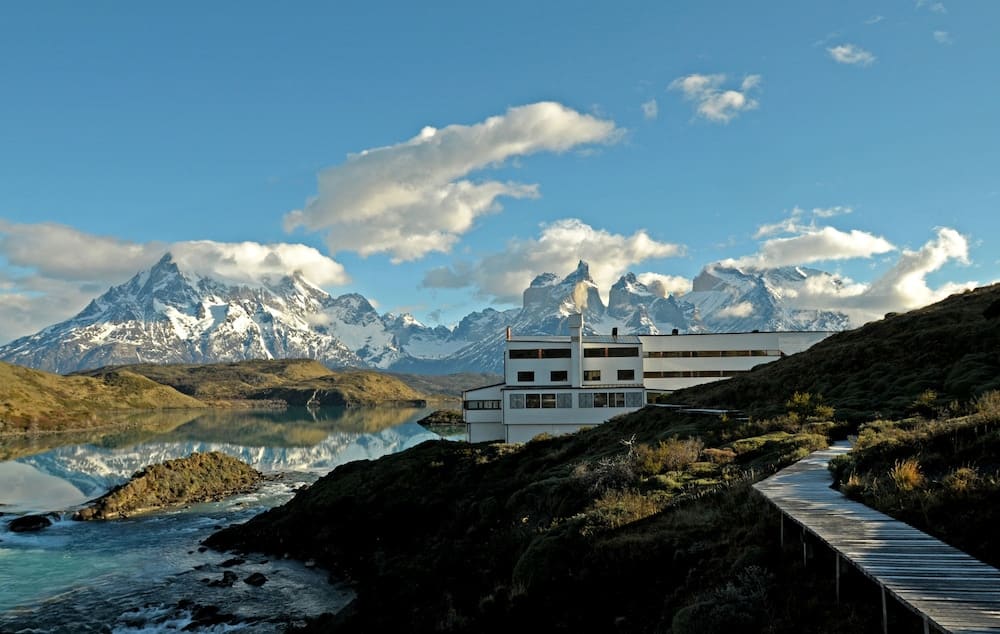
Explora Torres del Paine
The only luxury lodge positioned inside the park boundary on the shores of Lake Pehoé.
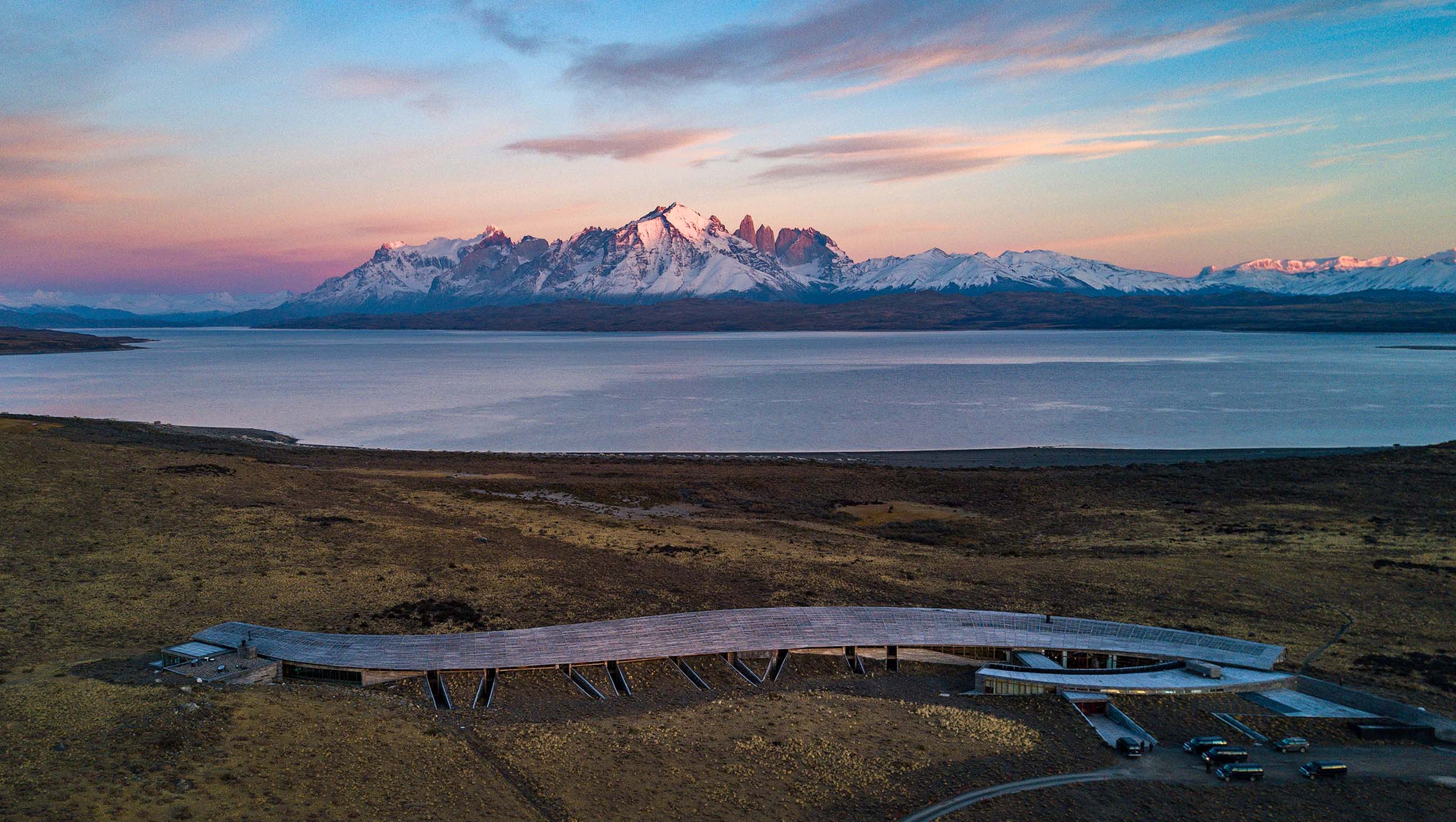
Tierra Patagonia
An architectural masterpiece of undulating wood design that blends into the Lake Sarmiento shoreline.
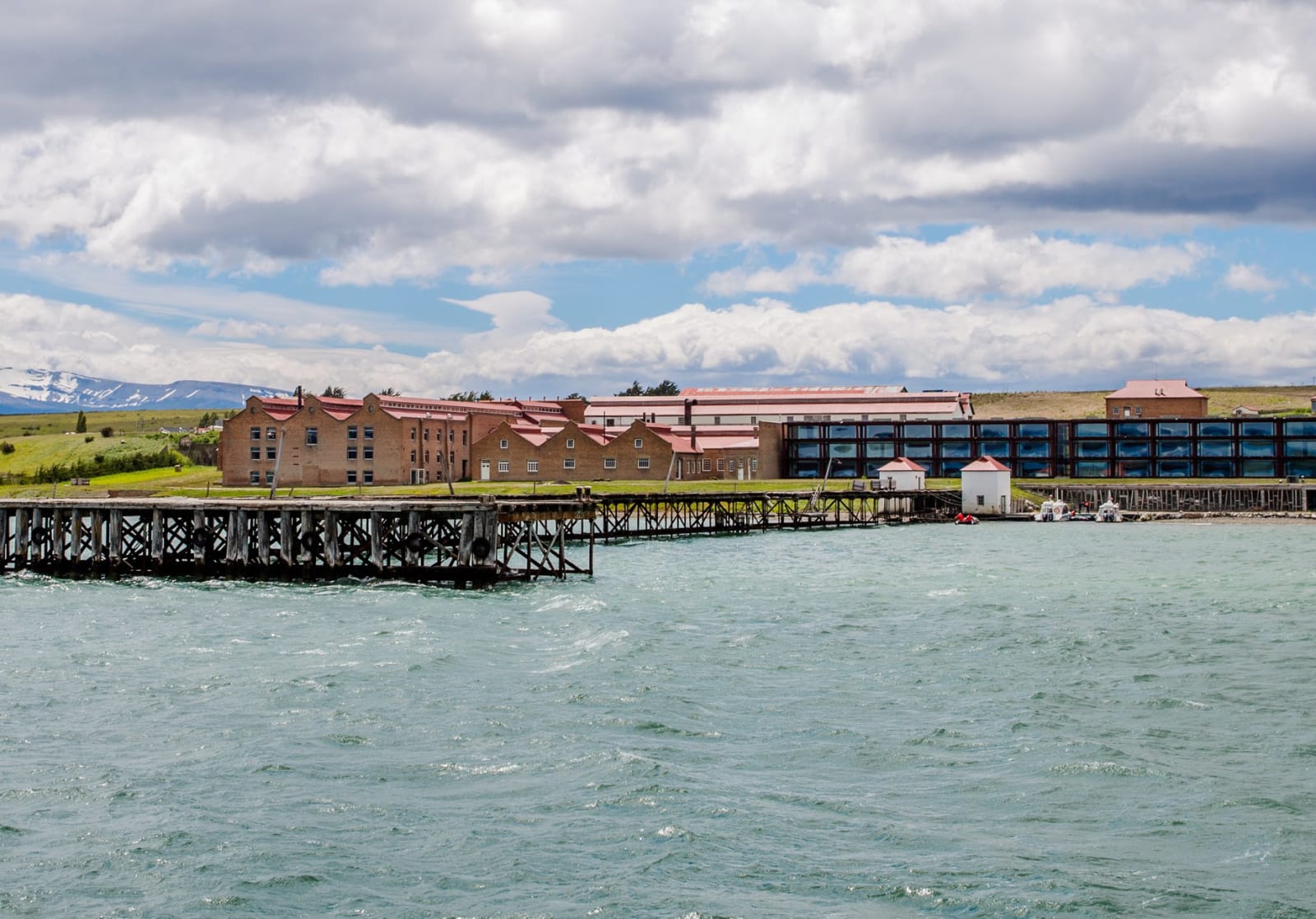
The Singular Patagonia
A unique post-industrial luxury hotel built inside a historic cold storage plant overlooking the fjords.