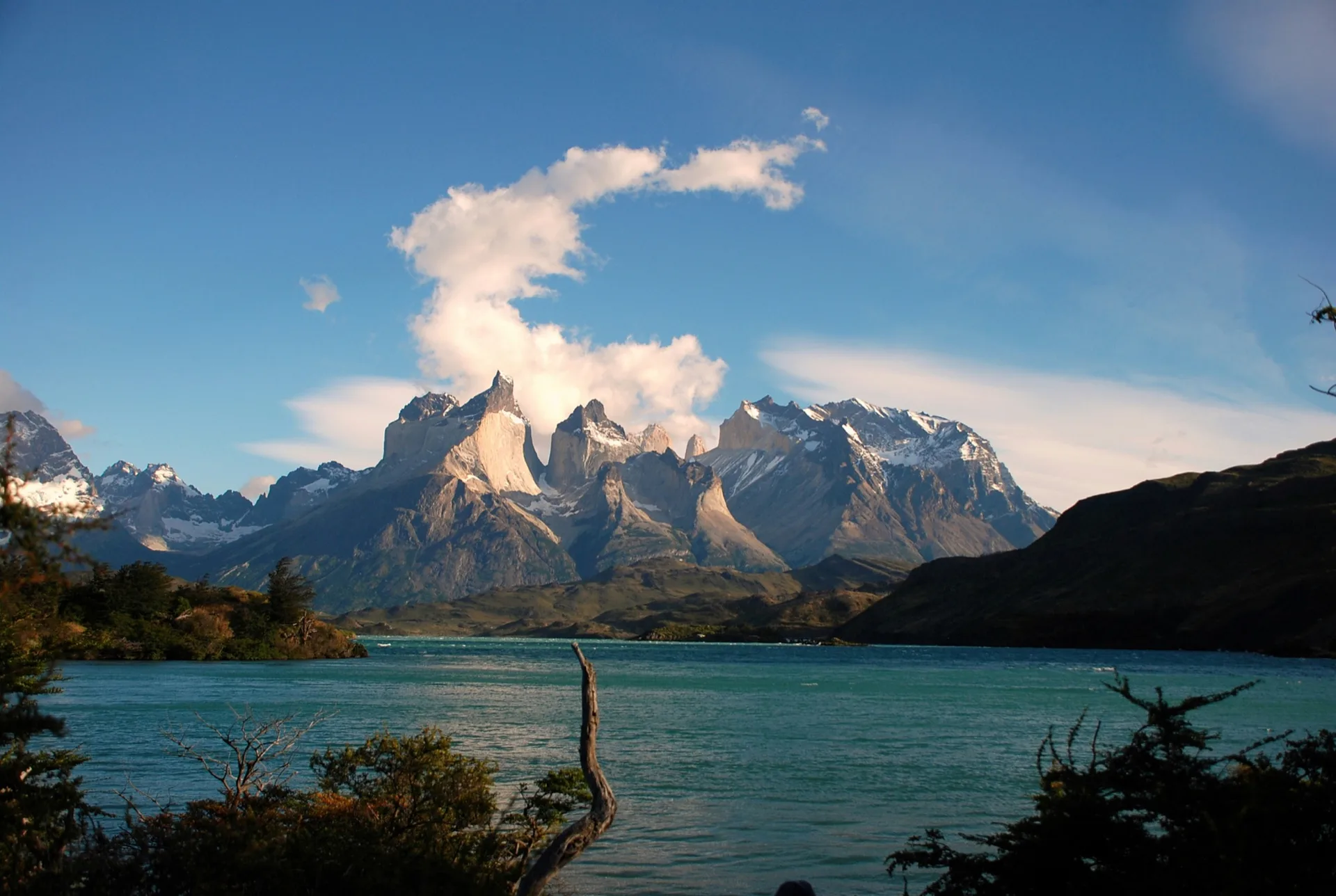
Patagonia, Chile & Argentina
Hiking the W Trek to the base of the Torres del Paine, watching the Perito Moreno Glacier calve into Lago Argentino, and tracking pumas across the open steppe at dawn.
Patagonia has a reputation for difficulty that it has earned honestly. The wind is not a figure of speech — summer gusts in Torres del Paine regularly exceed 100 kilometres per hour on exposed ridgelines, and the weather changes without warning from full sun to horizontal rain to snow and back again in the space of an afternoon.
Patagonia has a reputation for difficulty that it has earned honestly. The wind is not a figure of speech — summer gusts in Torres del Paine regularly exceed 100 kilometres per hour on exposed ridgelines, and the weather changes without warning from full sun to horizontal rain to snow and back again in the space of an afternoon. The trekking season lasts five months. The W Trek and O Circuit require advance booking many months ahead for peak dates.
When to visit
Bar height = overall visitability. Color = conditions tier.
The W Trek booking window for the peak season opens in early April through Vertice Patagonia and Las Torres Patagonia. Popular dates in January and early February sell out within days. If you are planning a December or January W Trek or O Circuit, set a calendar reminder for the first week of April and book the day the window opens. There is no walk-up option — all accommodation must be reserved in advance.
The shoulder season from March through April is when puma tracking reaches its peak. Guanaco herds move to lower ground, summer hikers have cleared, and the cats are active in the open steppe in morning light. Autumn colour on the lenga beech forests peaks in April. These months are not good months to do the W Trek — most trails close at the end of April — but they are arguably the finest months in Patagonia for wildlife and photography.
What's good, and when
December: Peak Season
The W Trek in December delivers the longest days and the peak of the Patagonian spring — wildflowers, abundant wildlife, and 17-hour days that allow evening hikes to viewpoints that are in darkness by 6pm in March. Book in April when the season opens, not in November when it is too late.
Ready to plan your trip?
Tell us when and how you travel — we'll match it to the right months, the right properties, and the right price.
Hotels & Lodges
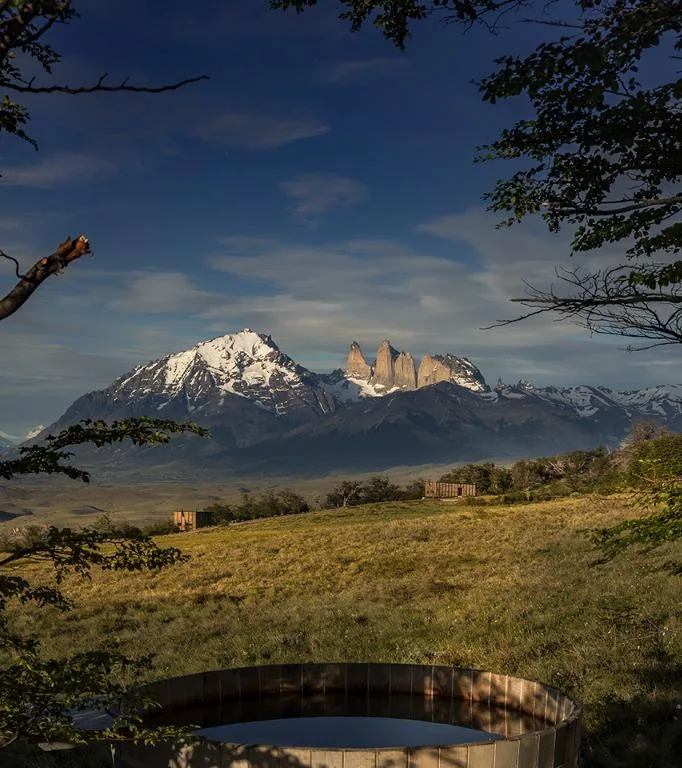
Awasi Patagonia
The most exclusive lodge in Patagonia with private guides.
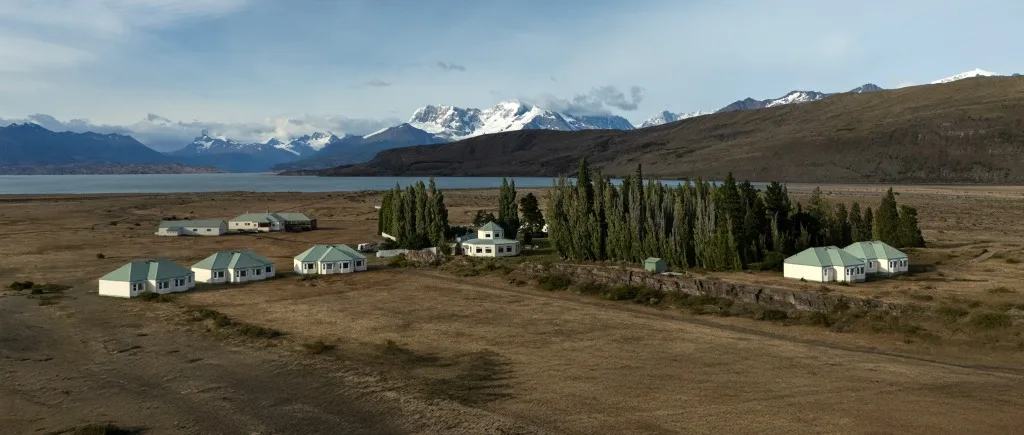
Estancia Cristina
A historic sheep ranch deep accessible only by boat.
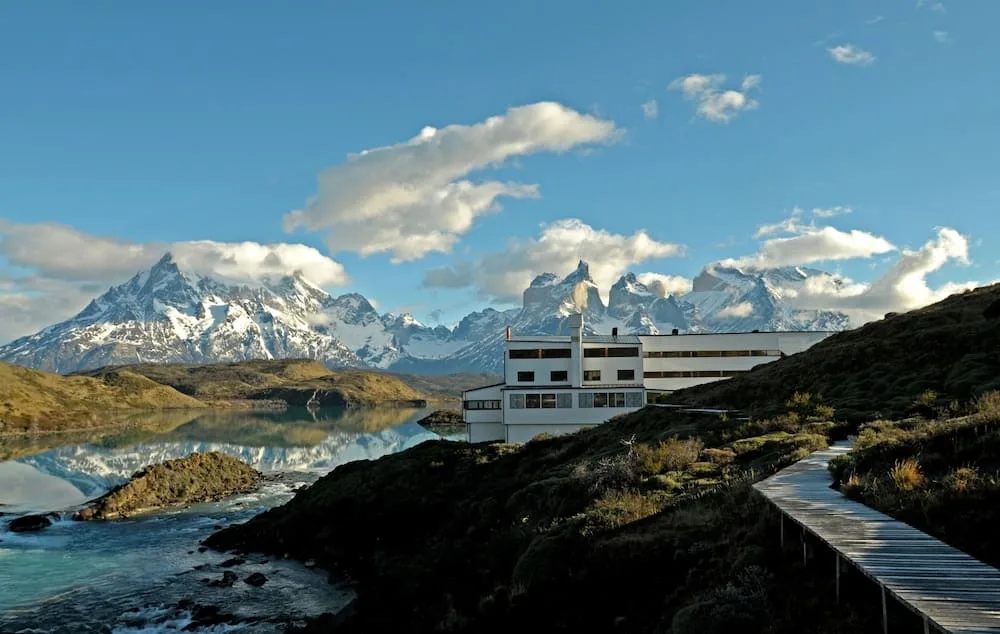
Explora Torres del Paine
The only luxury lodge positioned inside the park boundary on the shores of Lake Pehoé.
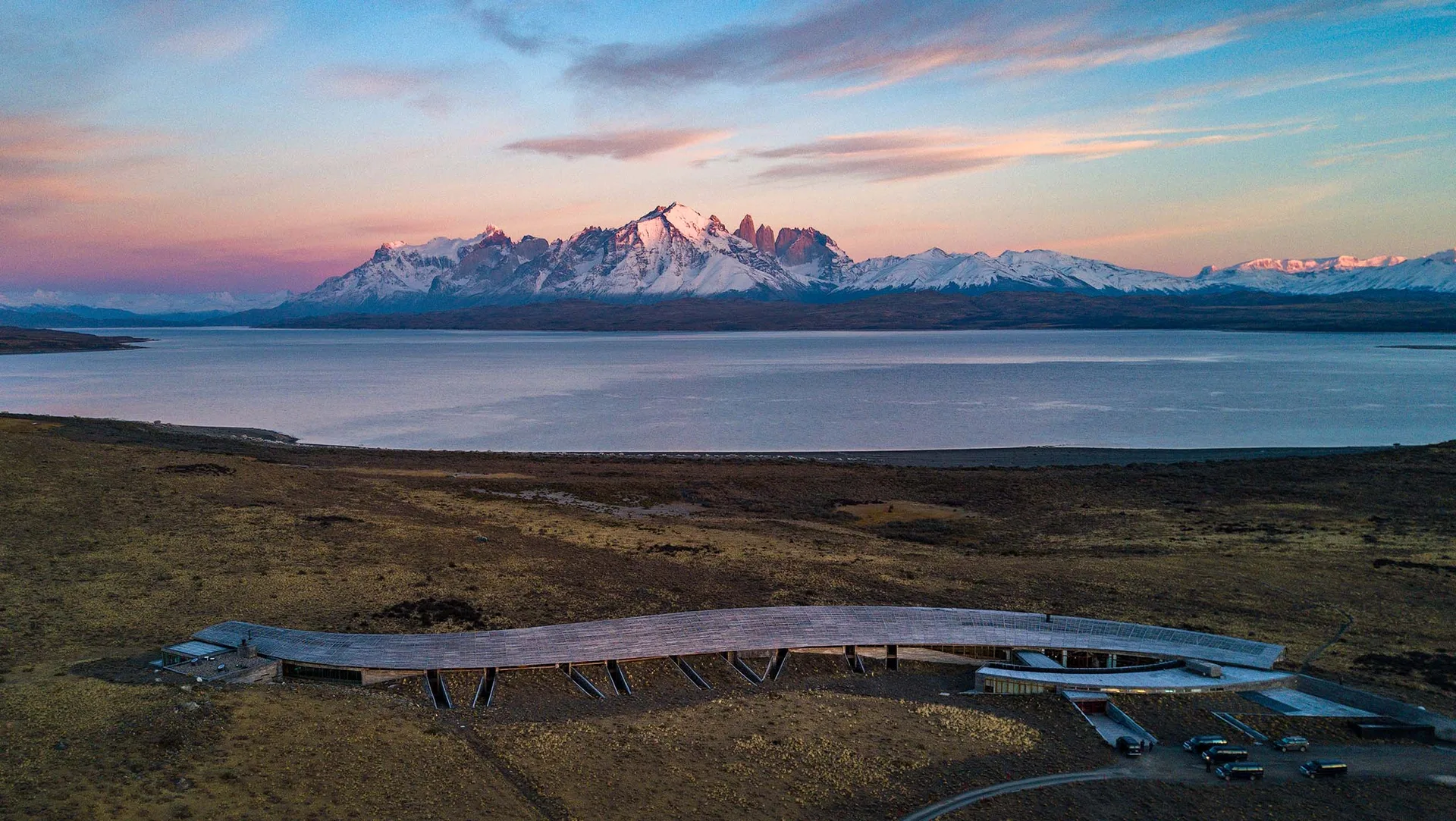
Tierra Patagonia
An architectural masterpiece of undulating wood design that blends into the Lake Sarmiento shoreline.
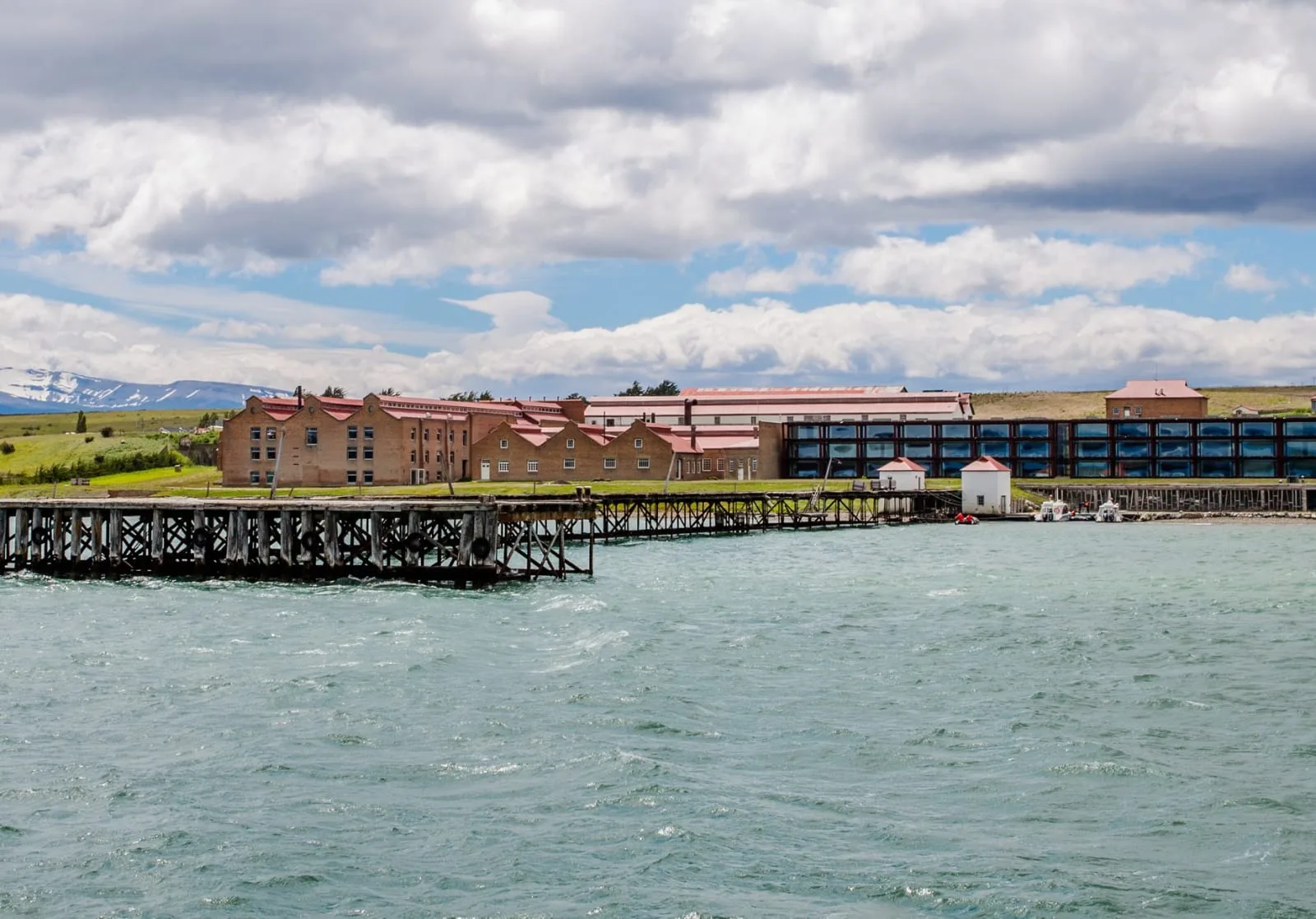
The Singular Patagonia
A unique post-industrial luxury hotel built inside a historic cold storage plant overlooking the fjords.
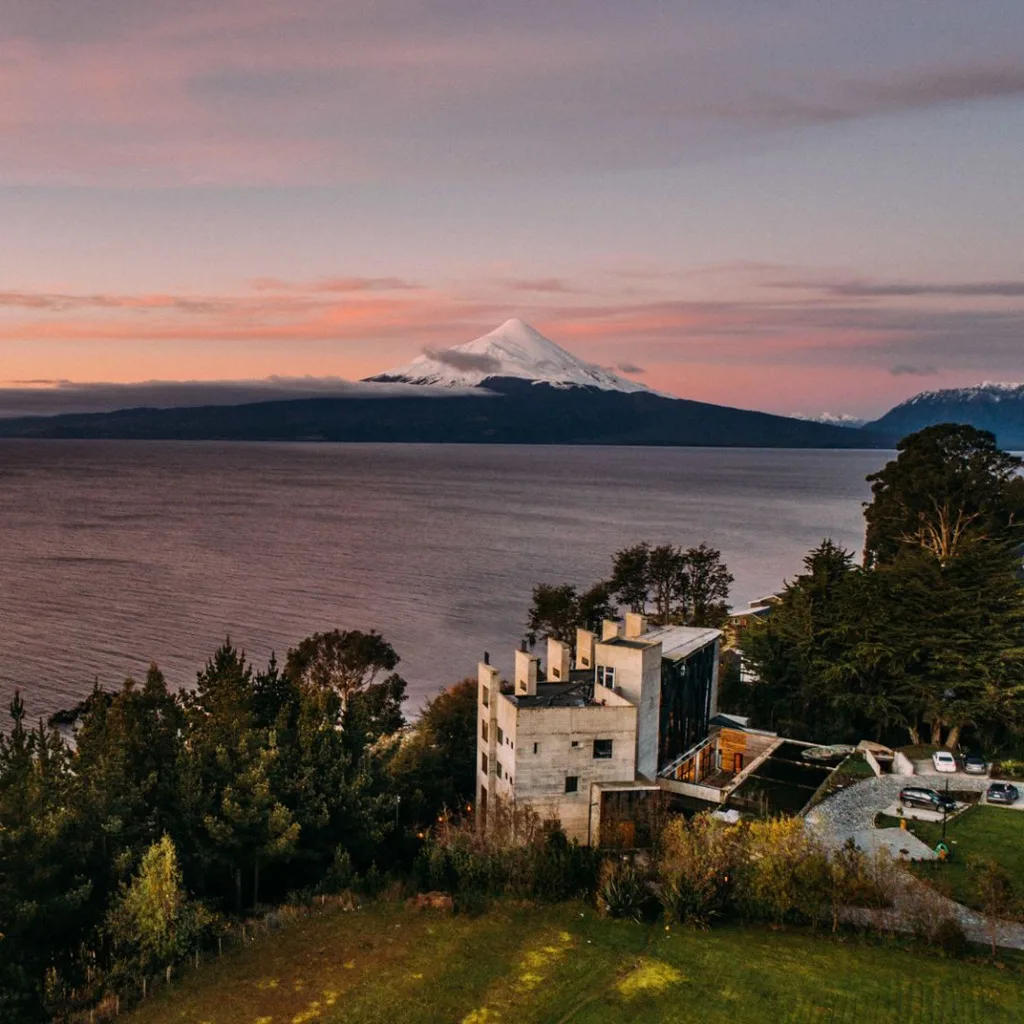
Hotel AWA
Industrial-chic concrete facing the Osorno Volcano.
The Reality Check
The W Trek requires bookings 6–9 months in advance
All accommodation on the W Trek and O Circuit must be booked online in advance — walk-up entry is no longer permitted. The booking window for each season opens in early April through Vertice Patagonia and Las Torres Patagonia. January and early February dates sell out within days of opening. If the W Trek is your primary reason for visiting, book the moment the season window opens. For a December or January 2027 trip, book in April 2026.
Book April for SummerPack for all four seasons — every day
Patagonian weather changes in minutes, not hours. A clear blue morning can become a full whiteout by noon and return to sunshine by 3pm. Wind gusts on exposed sections of the W Trek regularly exceed 100 km/h in November and December. Every day in the park requires waterproof outer layers, warm mid-layers, sun protection, and wind gear regardless of the forecast. The forecasts in Puerto Natales are not reliable for conditions inside the park.
Waterproof EverythingMost trips should cover both Chile and Argentina
Torres del Paine and Los Glaciares National Park are separated by 5 to 6 hours by bus and are complementary rather than competing destinations. Torres del Paine is the finest multi-day hiking in South America. Perito Moreno Glacier and the Fitz Roy day hikes from El Chaltén are genuinely different experiences that reward the border crossing. Most serious Patagonia trips of 10 days or more cover both. Fly into Santiago, out of Buenos Aires — or vice versa.
Plan Both SidesHead-to-Head Comparisons in Patagonia, Chile & Argentina
Direct comparisons of rates, atmosphere, and setting to help you pick the right property.