Whale Watching in Kauai, Hawaii
Humpback whales arrive in Hawaiian waters in November and the last individuals leave by April or early May. Kauai sees fewer whale watching boats than Maui, which means less vessel traffic and more intimate encounters on the water.
Humpback whales arrive in Hawaiian waters in November and the last individuals leave by April or early May. Kauai sees fewer whale watching boats than Maui, which means less vessel traffic and more intimate encounters on the water. Tours depart from Port Allen on the south shore and from Kukuiula Harbor near Poipu, running two-hour zodiac and catamaran trips along the coast where whales feed and breach within clear view. January and February are the peak months — the highest concentration of humpbacks, the most surface activity, and the most reliable sightings.
Weather & Conditions
Showing viable months only — May, Jun, Jul, Aug, Sep, Oct, Nov are off-season for this activity.
| Month | High / Low | Rain Days | Conditions |
|---|---|---|---|
| Jan | 79° / 65°F | 14 | Peak |
| Feb | 79° / 65°F | 12 | Peak |
| Mar | 80° / 66°F | 12 | Peak |
| Apr | 81° / 67°F | 9 | Good |
| Dec | 80° / 66°F | 13 | Okay |
Where to Go
Island capital. Airport, rental cars, grocery stores. East shore base.
Driest, sunniest area on the island. Year-round swimming and snorkeling. Whale watching December–April.
The north shore's heart. Hanalei Bay, taro fields, and the gateway to the Kalalau trailhead.
Clifftop position above Hanalei Bay. North shore accommodation base. Dramatic winter surf views.
16km of fluted green sea cliffs rising 1,200m from the Pacific. Accessible by boat, helicopter, or Kalalau Trail only.
11-mile trail along the Na Pali Coast. Permit required beyond mile 2. Haena State Park day-use reservations required. May–September best season.
10 miles long, 3,000 feet deep. The Grand Canyon of the Pacific. Accessible year-round from the west side.
Best reef snorkeling on the island. Sea turtles, reef fish, lava formations. Summer only — dangerous in winter swell.
Laysan albatross, red-footed boobies, nene geese, Hawaiian monk seals, spinner dolphins. Reservations required. Wed–Sat only.
Main departure point for Na Pali Coast boat tours and whale watching. South shore, near Hanapepe.
Ke'e Beach, start of the Kalalau Trail, and the end of the north shore road. Advance reservations required for non-residents.
Gateway to Waimea Canyon and Kokee State Park. Driest town on the island.
Know Before You Go
Camping permits for the Kalalau Trail beyond mile 2 are issued through Hawaii DLNR and sell out within hours of the 90-day booking window opening for summer dates. Day hiking to Hanakapi'ai Beach requires only a Hāʻena State Park day-use reservation, also requiring advance booking. If the full Kalalau trail is the reason you're coming, set a calendar reminder and book the moment the window opens. Also book Hāʻena parking separately — it fills independently.
The north shore is magical in summer and genuinely dangerous for swimming and snorkeling in winter. The south shore at Poipu is reliably sunny and calm year-round. Many visitors make the mistake of booking a north shore property in December or January and finding the beaches closed and the road conditions difficult. If you're visiting November through March, base on the south shore and day-trip to the north.
The refuge is open Wednesday through Saturday, 10am to 4pm, and advance reservations are required for all visitors 16 and older. It is one of the finest wildlife observation sites in the United States — Laysan albatross, red-footed boobies, Hawaiian monk seals, spinner dolphins, and humpback whales all visible from the same viewpoint. Book your reservation slot on the FWS website before you arrive. It frequently fills for weekend slots.
Ready to plan your whale watching window?
Tell us when and how you travel — we'll match it to the right months, the right properties, and the right price.
Hotels & Lodges for Whale Watching
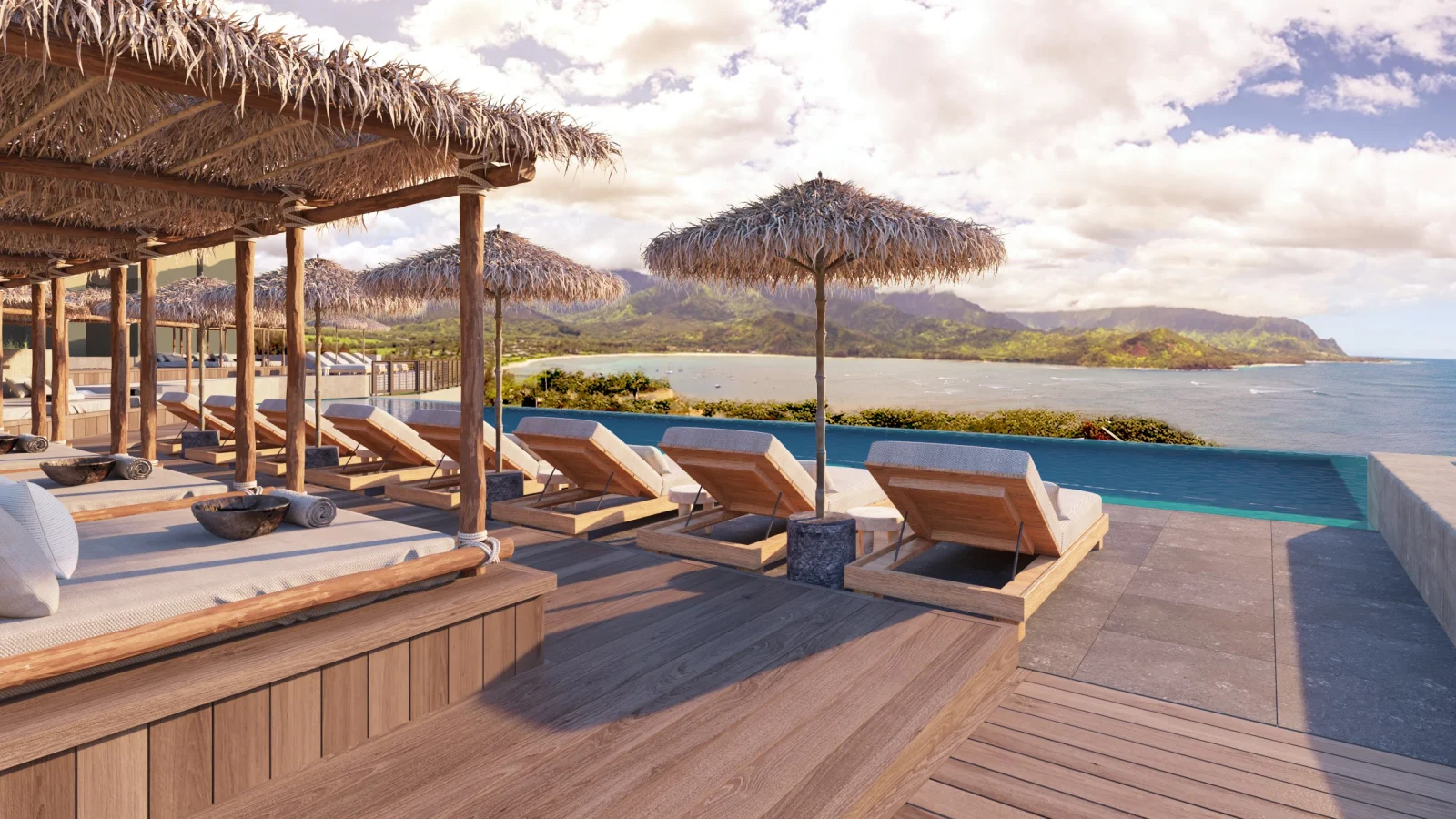
1 Hotel Hanalei Bay
Built into the cliffs above Hanalei Bay, this luxury eco-retreat features sustainable wood design, sweeping ocean and peak views, and premium wellness facilities.
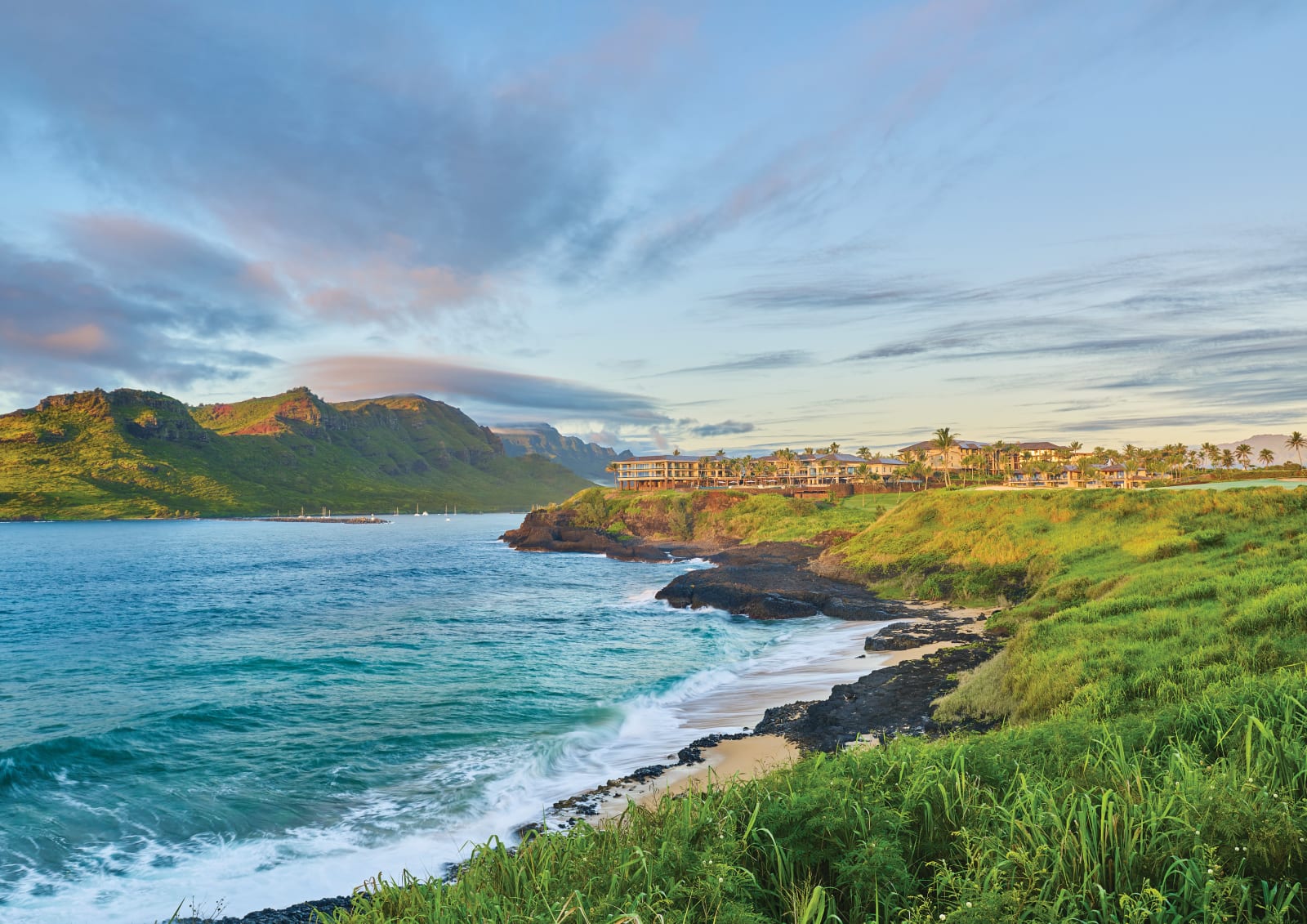
Timbers Kauai Ocean Club & Residences
An upscale oceanfront residential-style sanctuary overlooking Ninini Point, set among golf fairways and fresh water lagoons.