
Kauai, Hawaii
Hiking the Kalalau Trail along the Na Pali Coast, snorkeling Tunnels Beach on the north shore in summer, and watching humpback whales breach from the cliffs at Kilauea Point.
Kauai is the island that does the least to make things convenient and the most to make things extraordinary. The road stops on both ends of the Na Pali Coast — the sixteen-kilometre wall of fluted green cliffs on the northwest shore that defines the island's identity can only be seen from a boat, a helicopter, or the end of a serious hike.
Kauai is the island that does the least to make things convenient and the most to make things extraordinary. The road stops on both ends of the Na Pali Coast — the sixteen-kilometre wall of fluted green cliffs on the northwest shore that defines the island's identity can only be seen from a boat, a helicopter, or the end of a serious hike. There are no traffic lights on the north shore. The interior of the island, around Mount Waialeale, receives over 400 inches of rain a year and is inaccessible by road.
When to visit
Bar height = overall visitability. Color = conditions tier.
From November through March, large north swells close Tunnels Beach and most north shore snorkeling sites, while the south shore at Poipu stays sunny, calm, and swimmable year-round. Plan your activities around the shore, not just the calendar. In summer the reverse applies — the north shore opens completely and delivers some of the finest snorkeling and hiking access in Hawaii.
After Labor Day, summer conditions continue with a fraction of the July crowd. North shore beaches are still open, Tunnels Beach is still excellent, Kalalau permits are more available, and prices drop significantly from the July peak. Experienced visitors consistently name September the best single month on the island.
What's good, and when
June: Full Summer
June at Tunnels Beach in the morning — turtles rising to the surface around you in water clear enough to see the lava formations fifty feet below — is the north shore at its finest.
Ready to plan your trip?
Tell us when and how you travel — we'll match it to the right months, the right properties, and the right price.
Hotels & Lodges
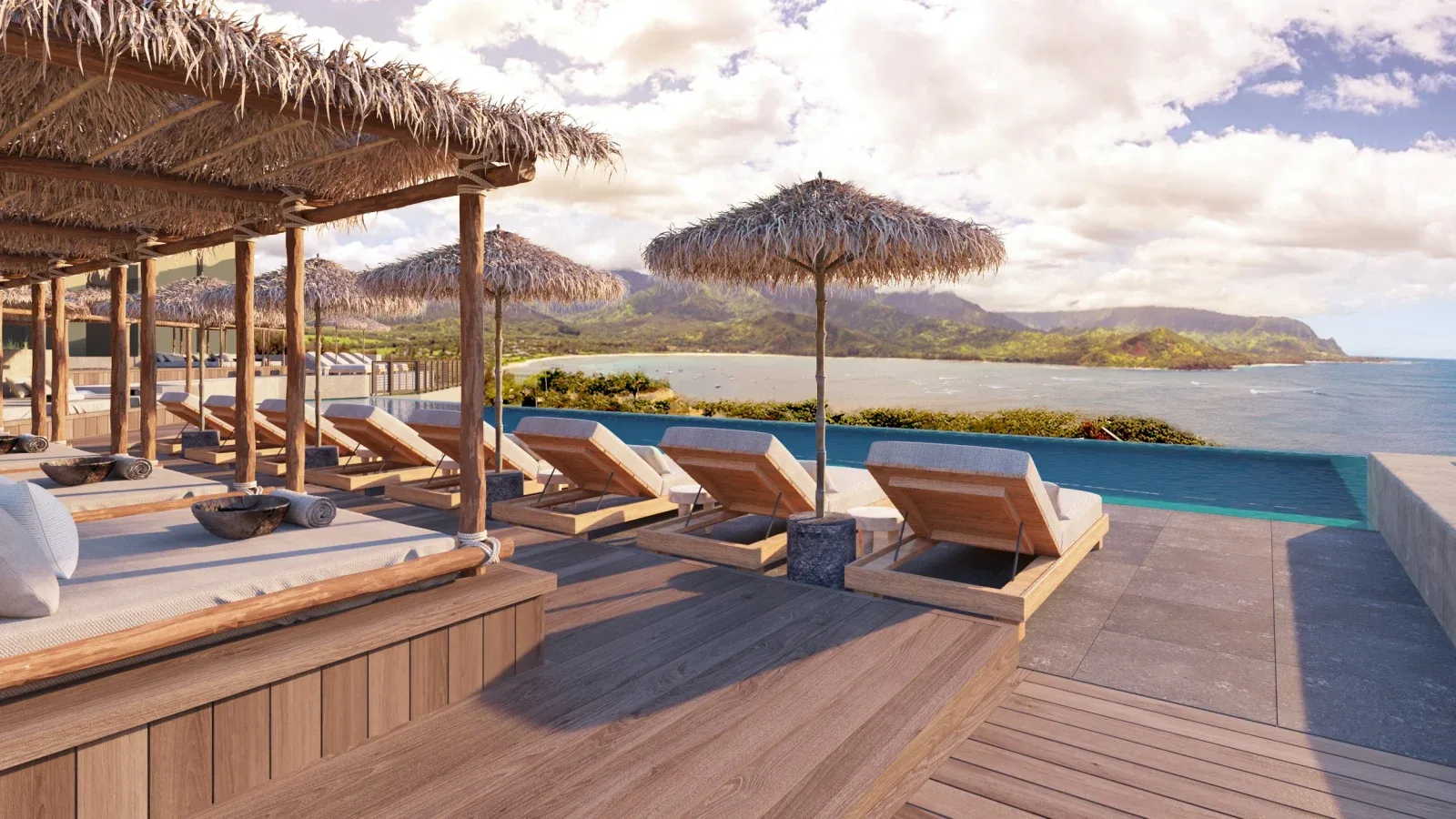
1 Hotel Hanalei Bay
A hillside wellness sanctuary overlooking the waters of Hanalei Bay and the Na Pali cliffs.

Timbers Kauai Ocean Club & Residences
An upscale oceanfront sanctuary of residential-style suites overlooking the bays and cliffs of Kauai.
The Reality Check
Kalalau permits sell out 90 days in advance
Camping permits for the Kalalau Trail beyond mile 2 are issued through Hawaii DLNR and sell out within hours of the 90-day booking window opening for summer dates. Day hiking to Hanakapi'ai Beach requires only a Hāʻena State Park day-use reservation, also requiring advance booking. If the full Kalalau trail is the reason you're coming, set a calendar reminder and book the moment the window opens. Also book Hāʻena parking separately — it fills independently.
Book 90 Days AheadThe north and south shores follow opposite seasonal logic
The north shore is magical in summer and genuinely dangerous for swimming and snorkeling in winter. The south shore at Poipu is reliably sunny and calm year-round. Many visitors make the mistake of booking a north shore property in December or January and finding the beaches closed and the road conditions difficult. If you're visiting November through March, base on the south shore and day-trip to the north.
Match Shore to SeasonKilauea Point Wildlife Refuge requires advance reservations
The refuge is open Wednesday through Saturday, 10am to 4pm, and advance reservations are required for all visitors 16 and older. It is one of the finest wildlife observation sites in the United States — Laysan albatross, red-footed boobies, Hawaiian monk seals, spinner dolphins, and humpback whales all visible from the same viewpoint. Book your reservation slot on the FWS website before you arrive. It frequently fills for weekend slots.
Reserve Before ArrivalHead-to-Head Comparisons in Kauai, Hawaii
Direct comparisons of rates, atmosphere, and setting to help you pick the right property.