Snorkeling & Diving in Big Island, Hawaii
Kealakekua Bay is regarded by many operators as the finest snorkeling site in all of Hawaii — a protected Marine Life Conservation District accessible only by boat, kayak, or a 5-mile round-trip coastal hike, where yellow tang, parrotfish, and butterflyfish move through coral gardens in water so clear the bottom at 30 feet appears closer. The Captain Cook Monument marks the site where Cook was killed in 1779, and boat tours from Kona reach it in 20 minutes.
Kealakekua Bay is regarded by many operators as the finest snorkeling site in all of Hawaii — a protected Marine Life Conservation District accessible only by boat, kayak, or a 5-mile round-trip coastal hike, where yellow tang, parrotfish, and butterflyfish move through coral gardens in water so clear the bottom at 30 feet appears closer. The Captain Cook Monument marks the site where Cook was killed in 1779, and boat tours from Kona reach it in 20 minutes. Honaunau Bay, known locally as Two Step for its lava rock entry, is accessible from shore year-round and delivers turtles, eels, and healthy coral in the 20-foot range. The Kona Coast as a whole offers 80 to 100 feet of visibility on most days, with 30-plus dive sites along a coastline protected from trade wind swell by the volcanic mountains above it.
Weather & Conditions
| Month | High / Low | Rain Days | Conditions |
|---|---|---|---|
| Jan | 80° / 65°F | 10 | Good |
| Feb | 80° / 65°F | 9 | Good |
| Mar | 81° / 66°F | 8 | Good |
| Apr | 82° / 67°F | 6 | Peak |
| May | 84° / 69°F | 4 | Peak |
| Jun | 86° / 71°F | 3 | Peak |
| Jul | 87° / 72°F | 3 | Peak |
| Aug | 88° / 73°F | 4 | Peak |
| Sep | 88° / 72°F | 4 | Peak |
| Oct | 86° / 71°F | 6 | Peak |
| Nov | 83° / 68°F | 8 | Good |
| Dec | 81° / 66°F | 10 | Good |
Where to Go
Main town on the west side. Restaurants, dive operators, manta ray tours. Airport 15 minutes north.
Driest area on the island — 9 inches of rain annually. Resort area. Waikoloa, Mauna Kea Resort, Mauna Lani.
Kīlauea crater, Crater Rim Drive, lava tube. Kīlauea erupting episodically since December 2024. 2hr from KOA, 45min from Hilo.
Halemaʻumaʻu crater — active eruption since Dec 23, 2024. Lava fountaining episodes visible from multiple overlooks at night.
13,796 feet. Finest stargazing on earth. Visitor Information Station at 9,200ft — no 4WD required. Summit requires 4WD. 13 observatories.
Manta Ray Village — primary launch point for manta ray night dives and snorkel tours. Year-round resident mantas.
Best snorkeling in Hawaii. Protected Marine Life Conservation District. Captain Cook Monument. Accessible by boat tour from Kona.
Wettest city in the US. Botanical gardens, farmers market, waterfalls. Gateway to Volcanoes National Park. ITO airport.
2,670-foot elevation. Cool green ranching country. Gateway to Mauna Kea and the Hamakua Coast.
Best native forest birding on the island. Iiwi, apapane, Hawaii creeper, akiapolaau. East slope of Mauna Kea.
Sacred valley on the Hamakua Coast. 2,000-foot walls, black sand beach, taro fields. Steep road requires 4WD.
Most famous black sand beach on the island. Green sea turtles haul out here regularly. Between Volcanoes NP and Hilo.
Know Before You Go
Manta ray night dive and snorkel tours from Keauhou Bay are cancelled on nights when ocean swell or wind makes conditions unsafe. Summer delivers the calmest conditions and lowest cancellation rates. Stay multiple nights near Kona if the manta dive is a priority — a single-night booking that gets cancelled leaves no options. Operators post same-day conditions online and most offer rebooking when tours cancel for weather.
Hawaii Volcanoes National Park is 2 hours from Kona and 45 minutes from Hilo. The Kīlauea eruption status changes day to day — a fountaining episode at night is dramatically different from the same overlooks during a pause between episodes. Check the USGS Hawaiian Volcano Observatory website (usgs.gov/volcanoes/kilauea) the morning of your visit. If an episode is forecast, evening and night visits to the park deliver the best experience. Vog levels also vary — check vog.hi.gov for air quality.
Driving from the Kohala Coast to Hawaii Volcanoes National Park takes 2 hours each way. From Hilo to Kona is 1.5 to 2 hours via the Saddle Road. Most visitors underestimate the distances and overload their itineraries. Pick a base that matches your primary activities — Kona or Kohala for diving and the manta ray dive, Hilo or Volcano Village for the national park and east side waterfalls — and plan day trips accordingly.
Ready to plan your snorkeling & diving window?
Tell us when and how you travel — we'll match it to the right months, the right properties, and the right price.
Hotels & Lodges for Snorkeling & Diving
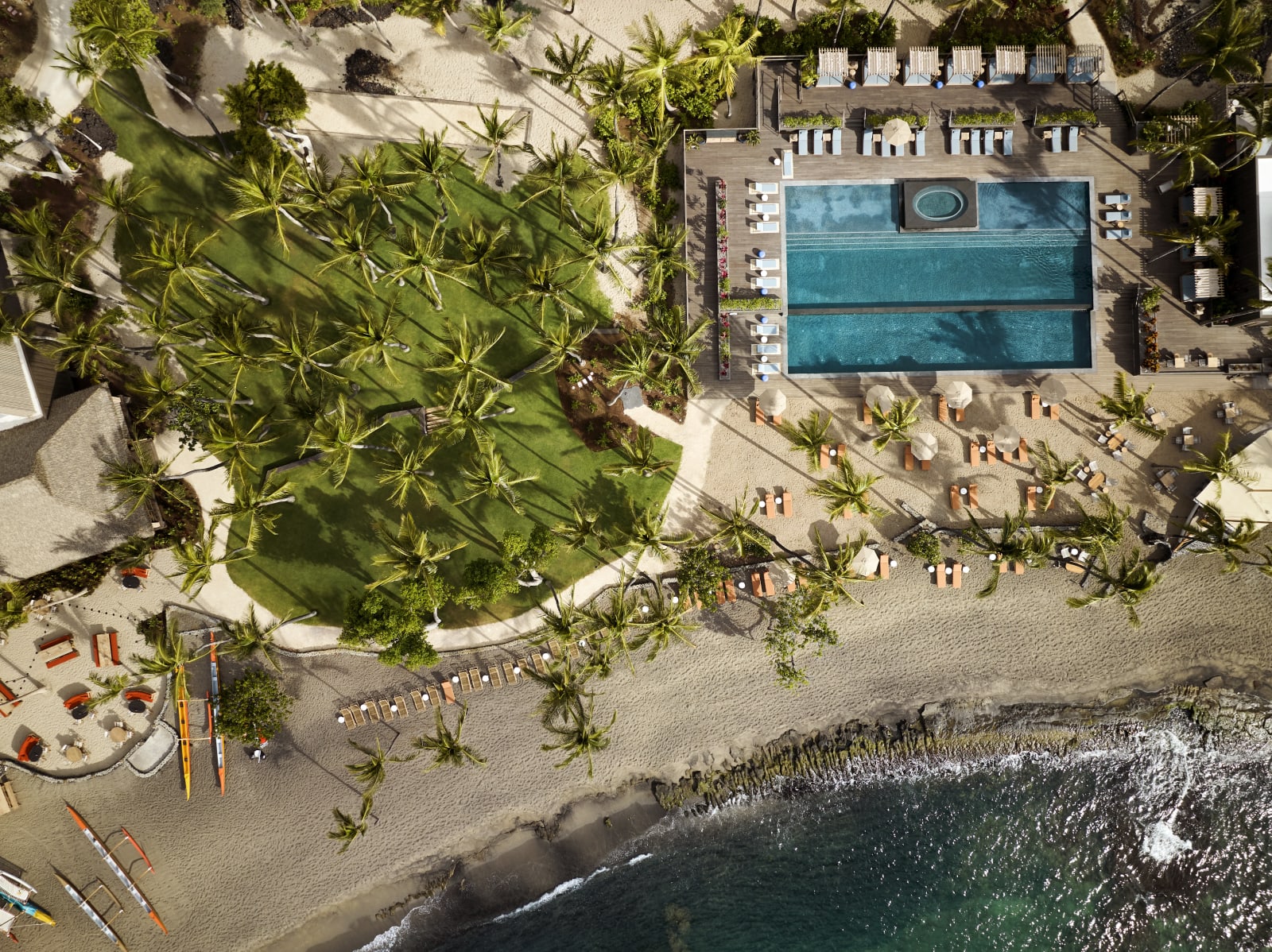
Kona Village, A Rosewood Resort
A restored historic oasis of solar-powered guest hales, outdoor showers, and private beach lagoons on the Kohala Coast.
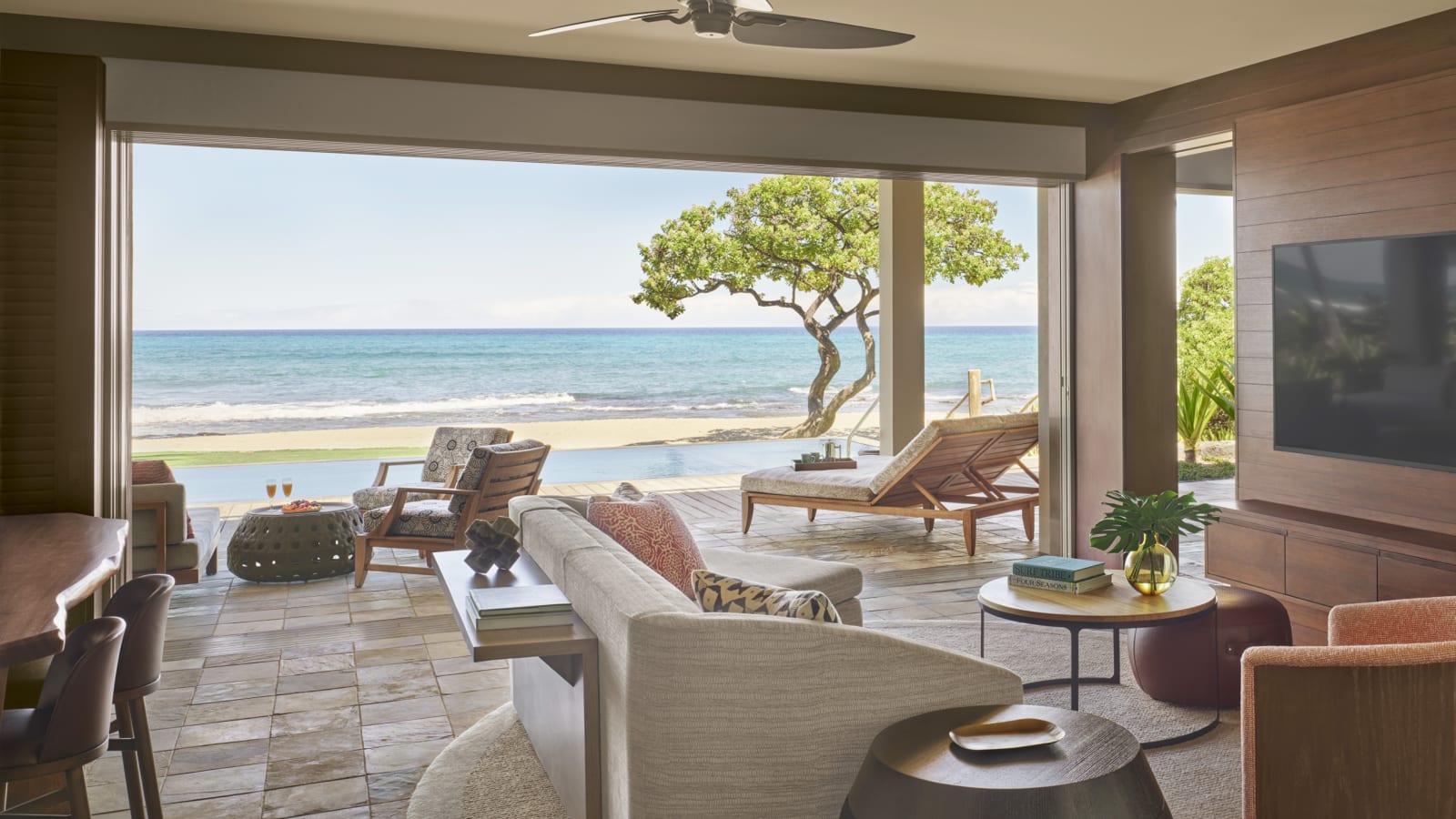
Four Seasons Resort Hualalai
A legendary oceanfront property offering world-class service, a signature golf course, and a unique swimmable volcanic-rock snorkeling pool.
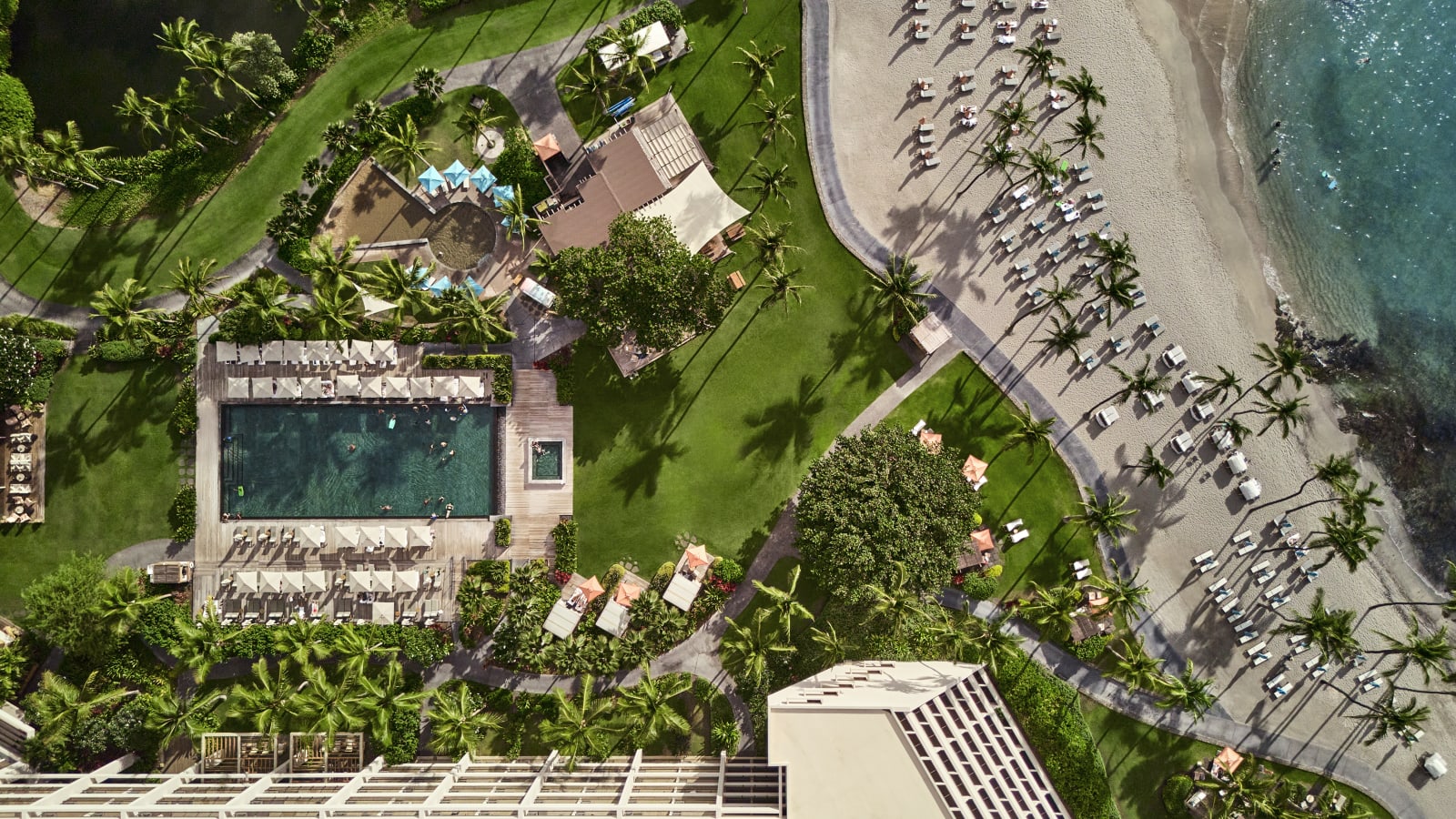
Mauna Lani, Auberge Resorts Collection
A luxurious open-air beachfront resort set among historic royal fishponds, offering calm snorkeling coves and Kohala sunsets.
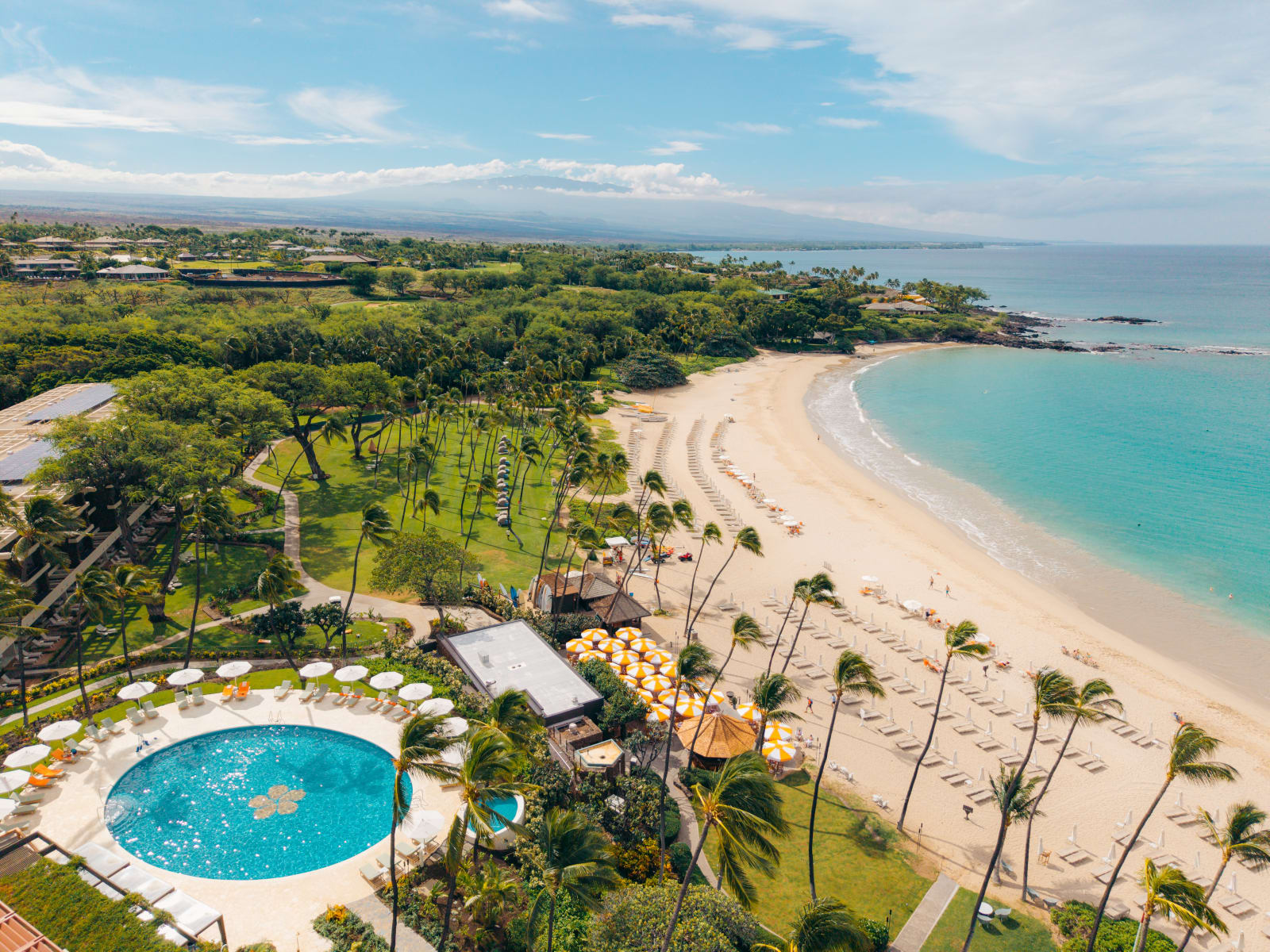
Mauna Kea Beach Hotel
A legendary mid-century modern beach resort fronting the pristine Kaunaʻoa crescent bay.
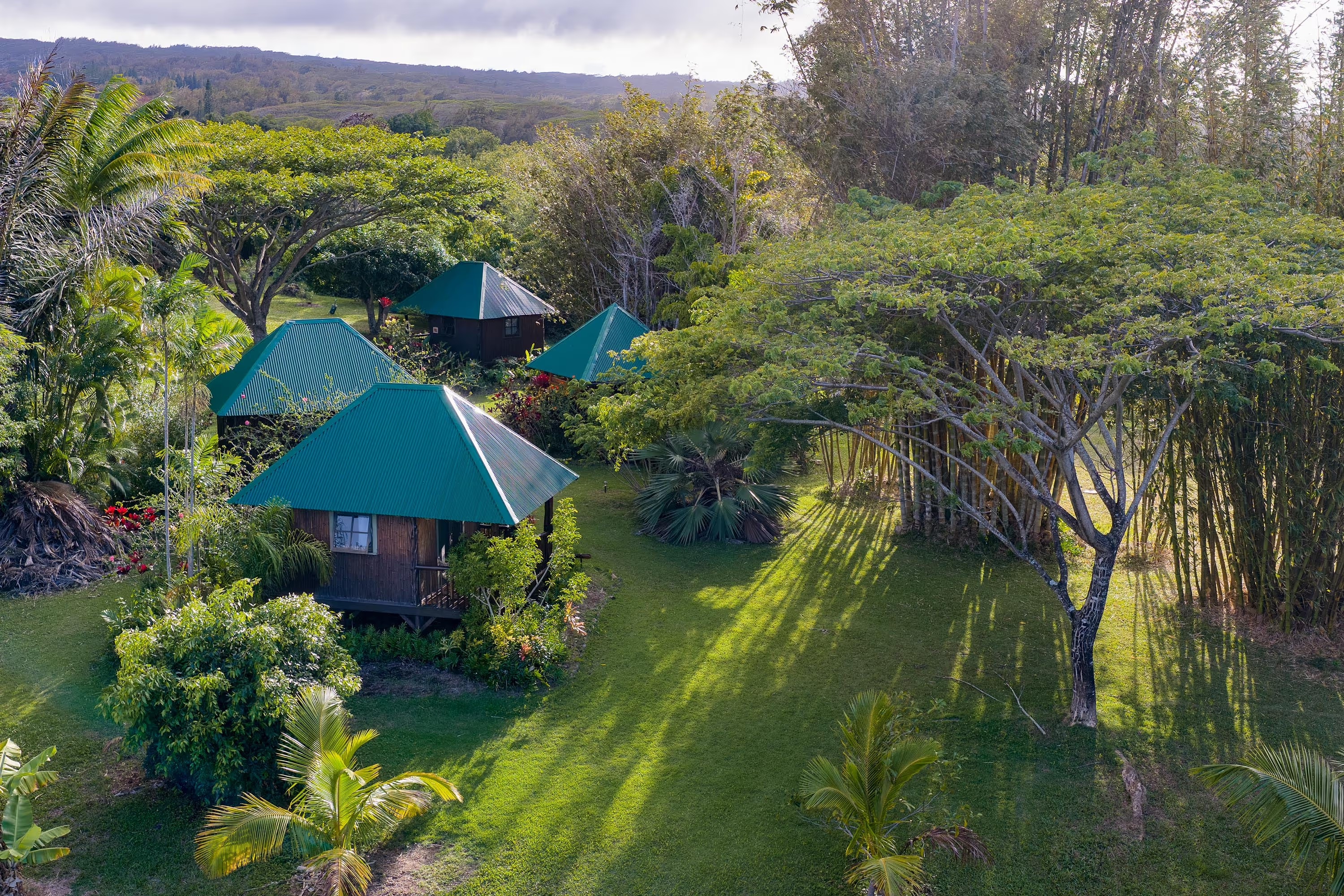
Starseed Ranch
A rustic, regenerative farm and eco-retreat tucked into the hills of North Kohala.