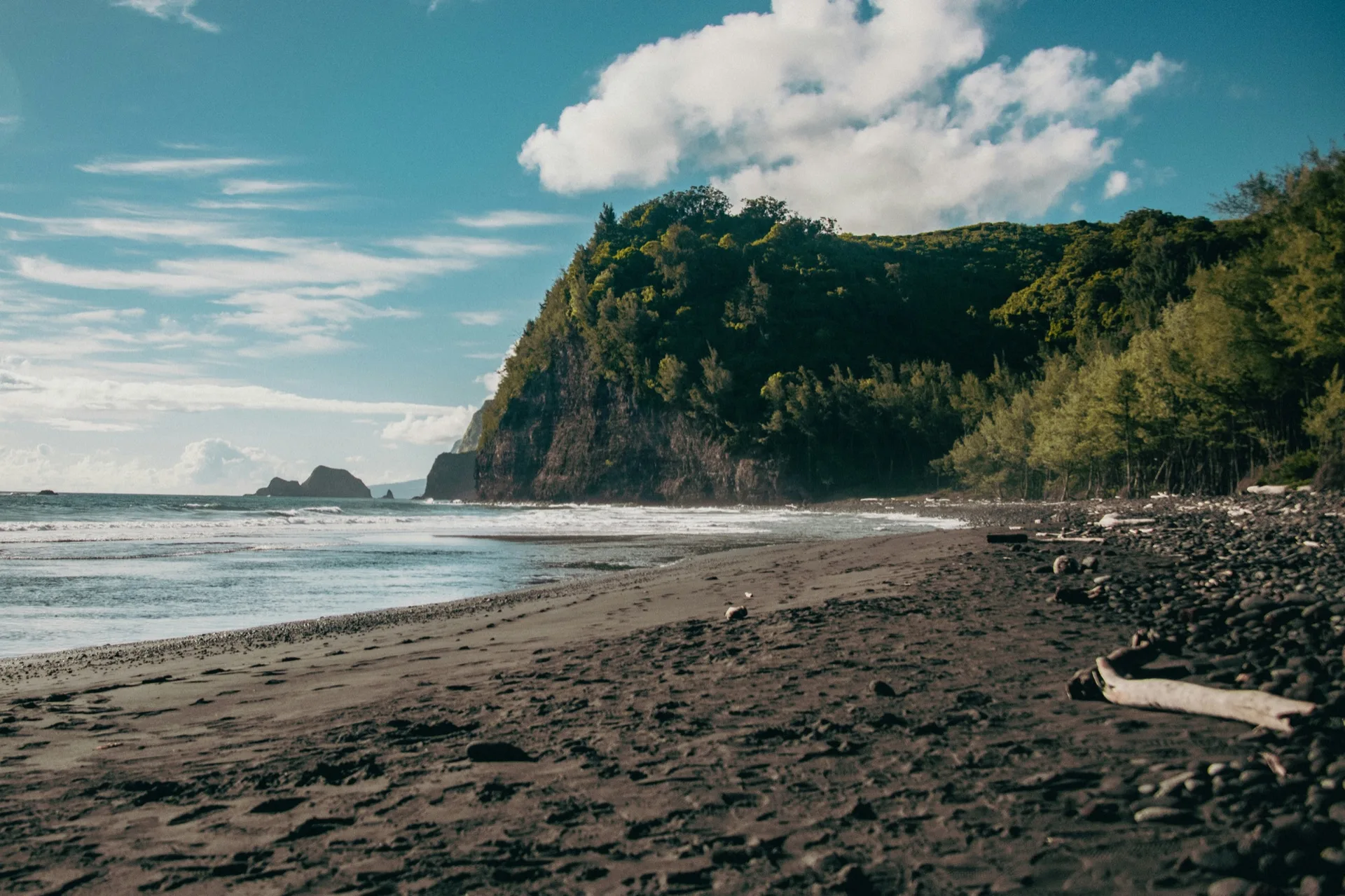
Big Island, Hawaii
Watching Kīlauea erupt from the crater rim at night in Hawaii Volcanoes National Park, diving with manta rays off the Kona coast after dark, and stargazing from the Mauna Kea Visitor Center at 9,200 feet.
The Big Island is not a beach holiday with some nature on the side. It is one of the most geologically active landscapes on earth, and the traveller who comes expecting Maui will be disoriented by what they find.
The Big Island is not a beach holiday with some nature on the side. It is one of the most geologically active landscapes on earth, and the traveller who comes expecting Maui will be disoriented by what they find. The Kohala Coast has excellent beaches and world-class resorts — but the island's real identity is volcanic. Kīlauea has been erupting episodically since December 2024, with lava fountains rising hundreds of feet inside the summit caldera and the crater glowing red at night from the overlooks inside Hawaii Volcanoes National Park.
When to visit
Bar height = overall visitability. Color = conditions tier.
Kīlauea has been erupting episodically inside Halemaʻumaʻu crater since December 23, 2024, with 47 lava fountaining episodes through May 2026. Episodes are separated by pauses of days to weeks. Check the USGS Hawaiian Volcano Observatory (usgs.gov/volcanoes/kilauea) the day before your visit — when an episode is active, nighttime crater views from the park overlooks are extraordinary. When paused, crater glow is still visible from the summit vents.
Volcanic smog (vog) from Kīlauea drifts southwest to the Kona coast on days with light trade winds. It reduces visibility and air quality, and can aggravate respiratory conditions. Most days the trades clear it, but check the Vog Dashboard (vog.hi.gov) before driving to the Kohala lava fields if you have respiratory sensitivities. The east side and upper elevations are less affected.
What's good, and when
June: Full Summer
The Mauna Kea Visitor Station on a clear June night, with the Milky Way rising above the clouds below you and the summit telescopes lit on the ridge above, is the stargazing experience that people who have been to Yellowstone and the Grand Canyon describe as the most extraordinary they've had.
Ready to plan your trip?
Tell us when and how you travel — we'll match it to the right months, the right properties, and the right price.
Hotels & Lodges
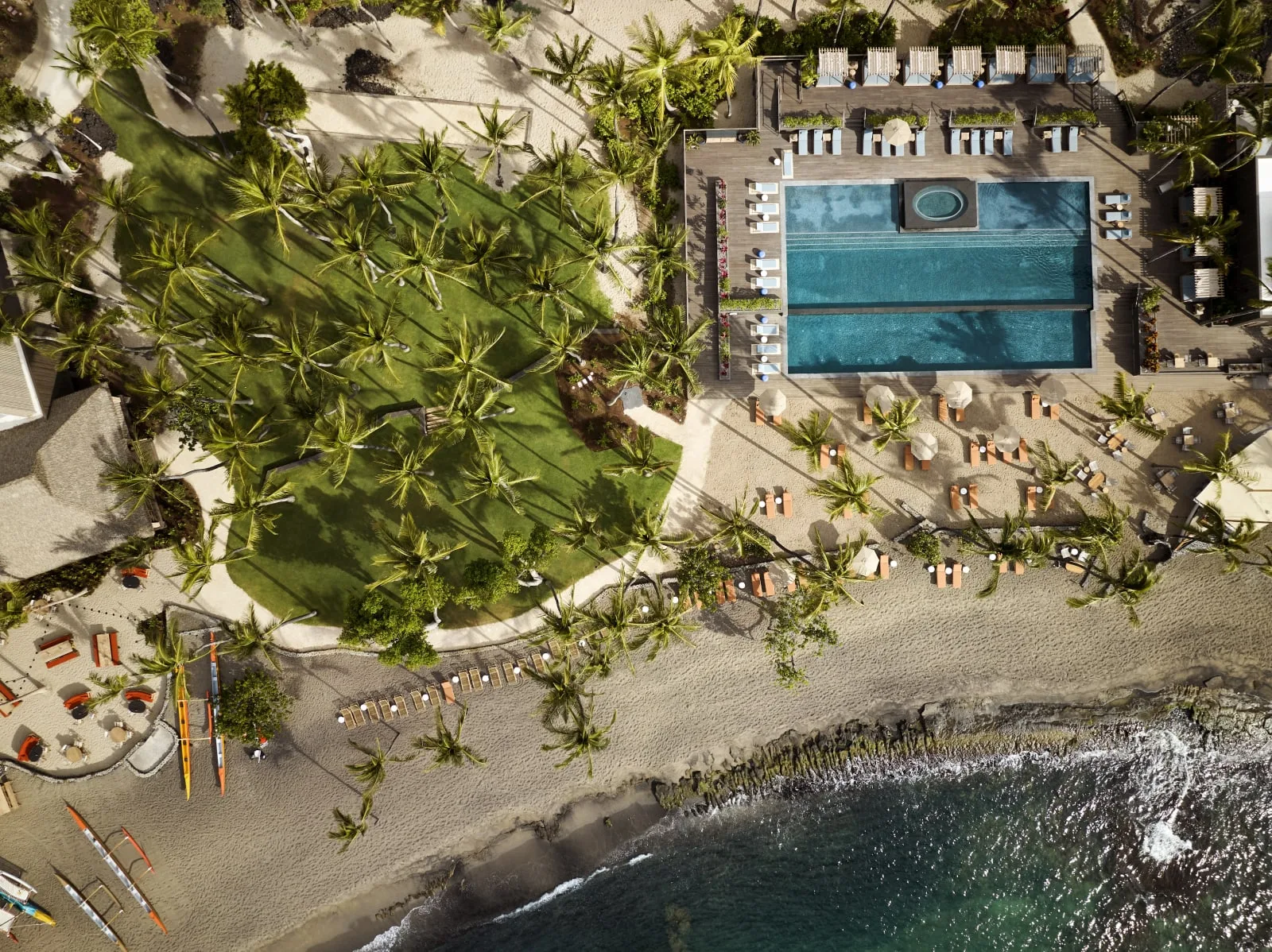
Kona Village, A Rosewood Resort
A luxurious eco-sanctuary of stand-alone guest hales built on the sacred shores of Kahuwai Bay.
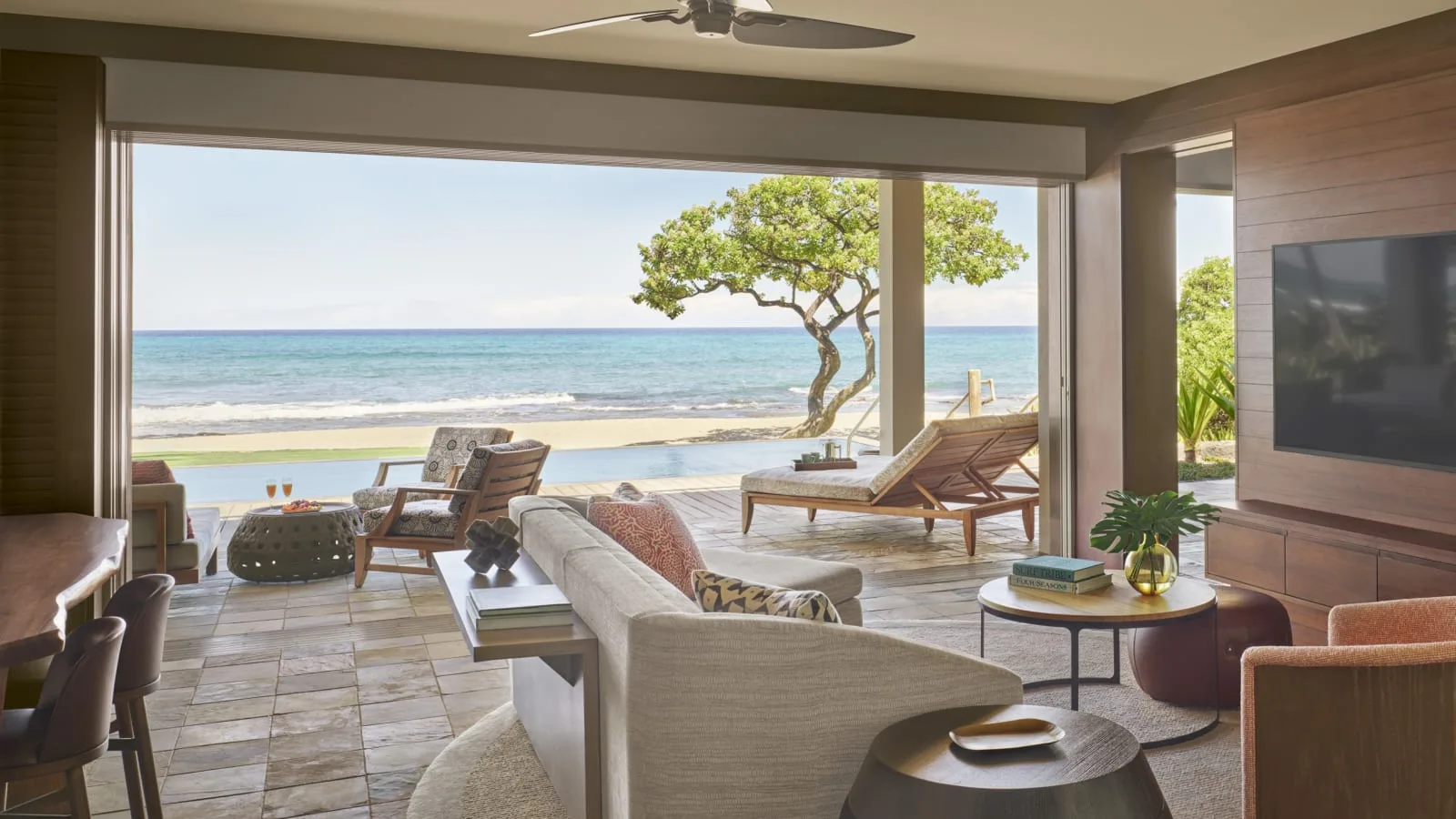
Four Seasons Resort Hualalai
A legendary oceanfront resort set on the volcanic Kona-Kohala coast, featuring a swimmable marine pond.
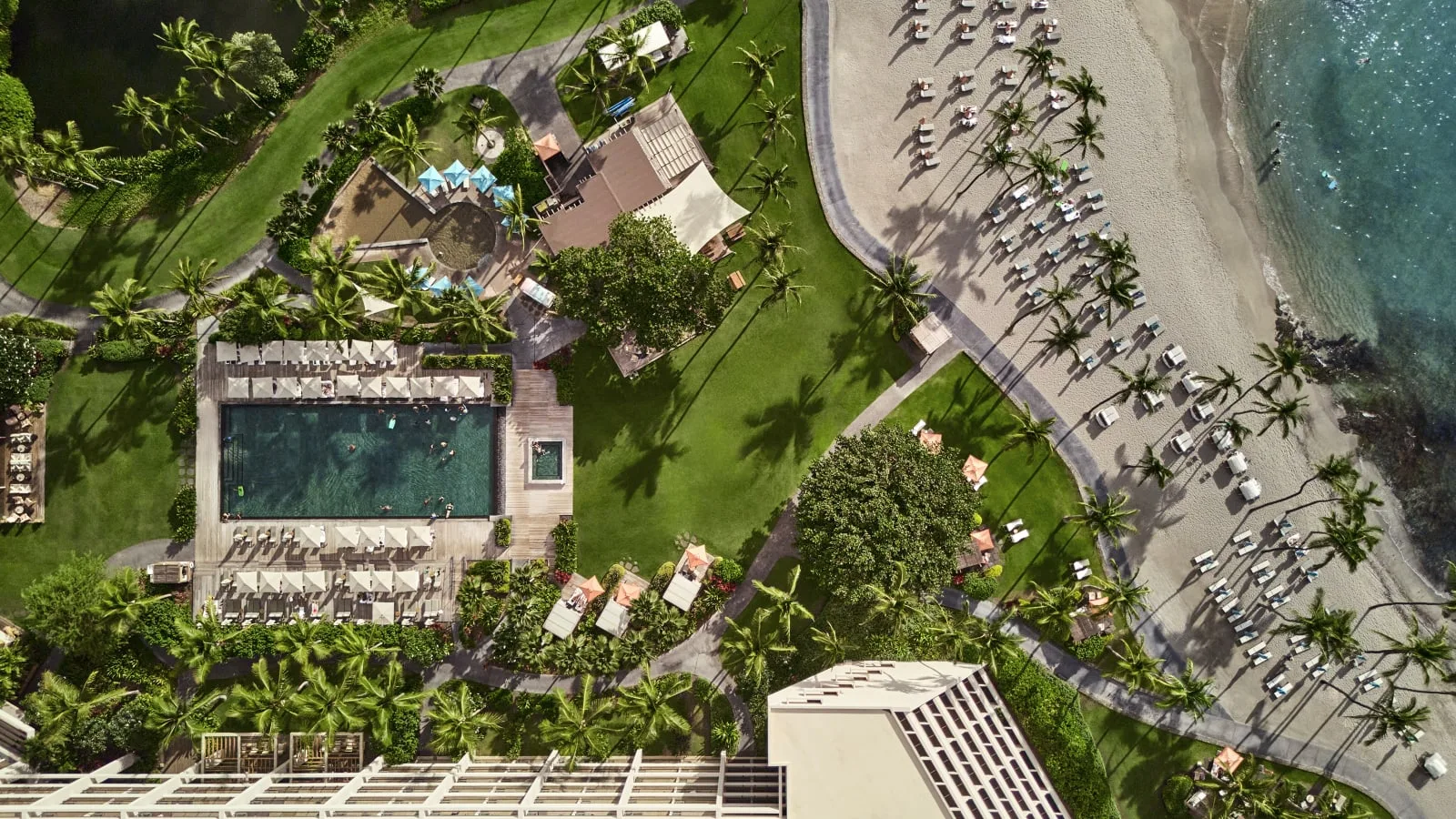
Mauna Lani, Auberge Resorts Collection
A luxurious coastal sanctuary set on volcanic sand beaches, celebrating ancient Hawaiian fishponds and marine life.
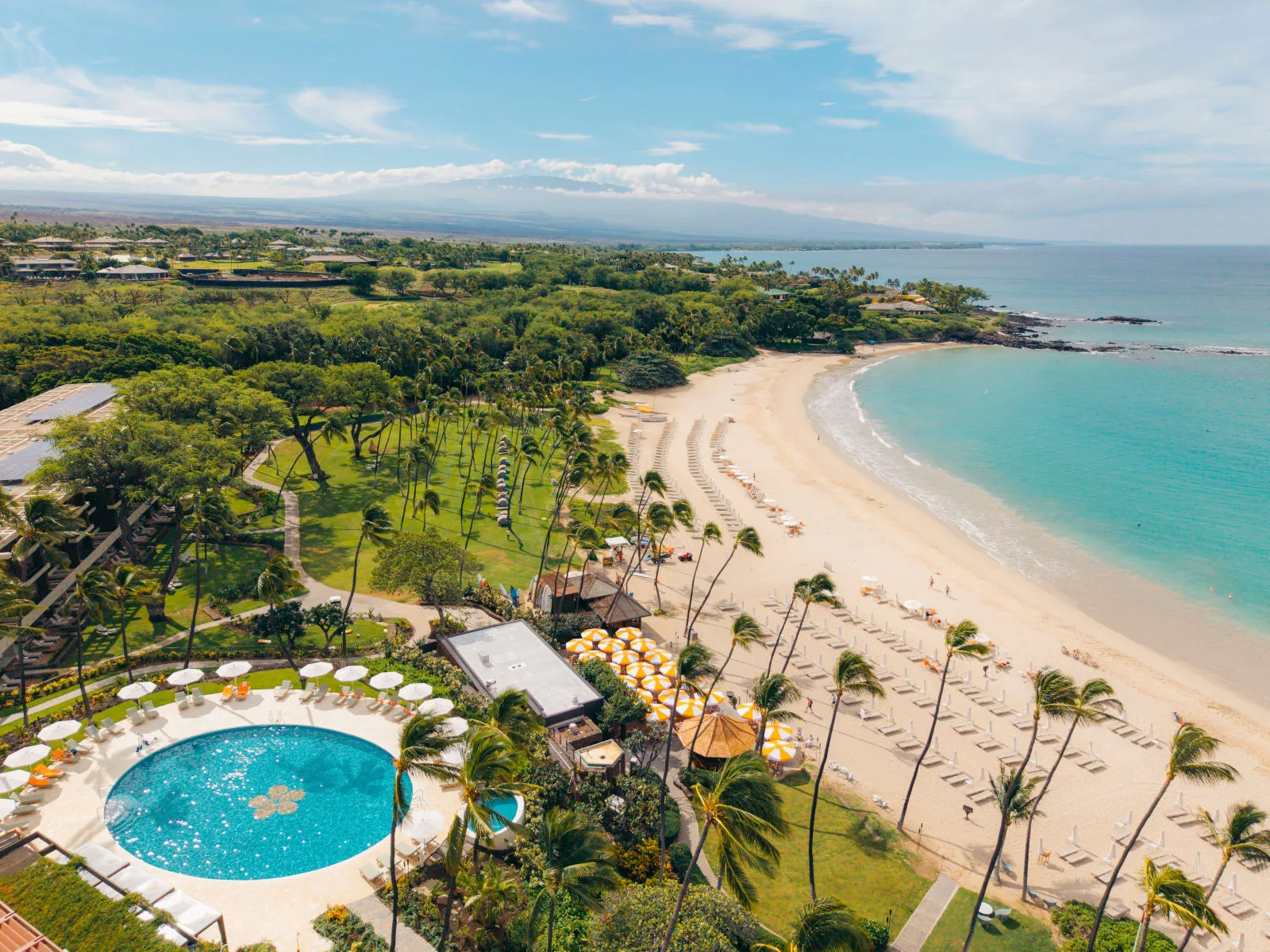
Mauna Kea Beach Hotel
A legendary mid-century modern beach resort fronting the pristine Kaunaʻoa crescent bay.
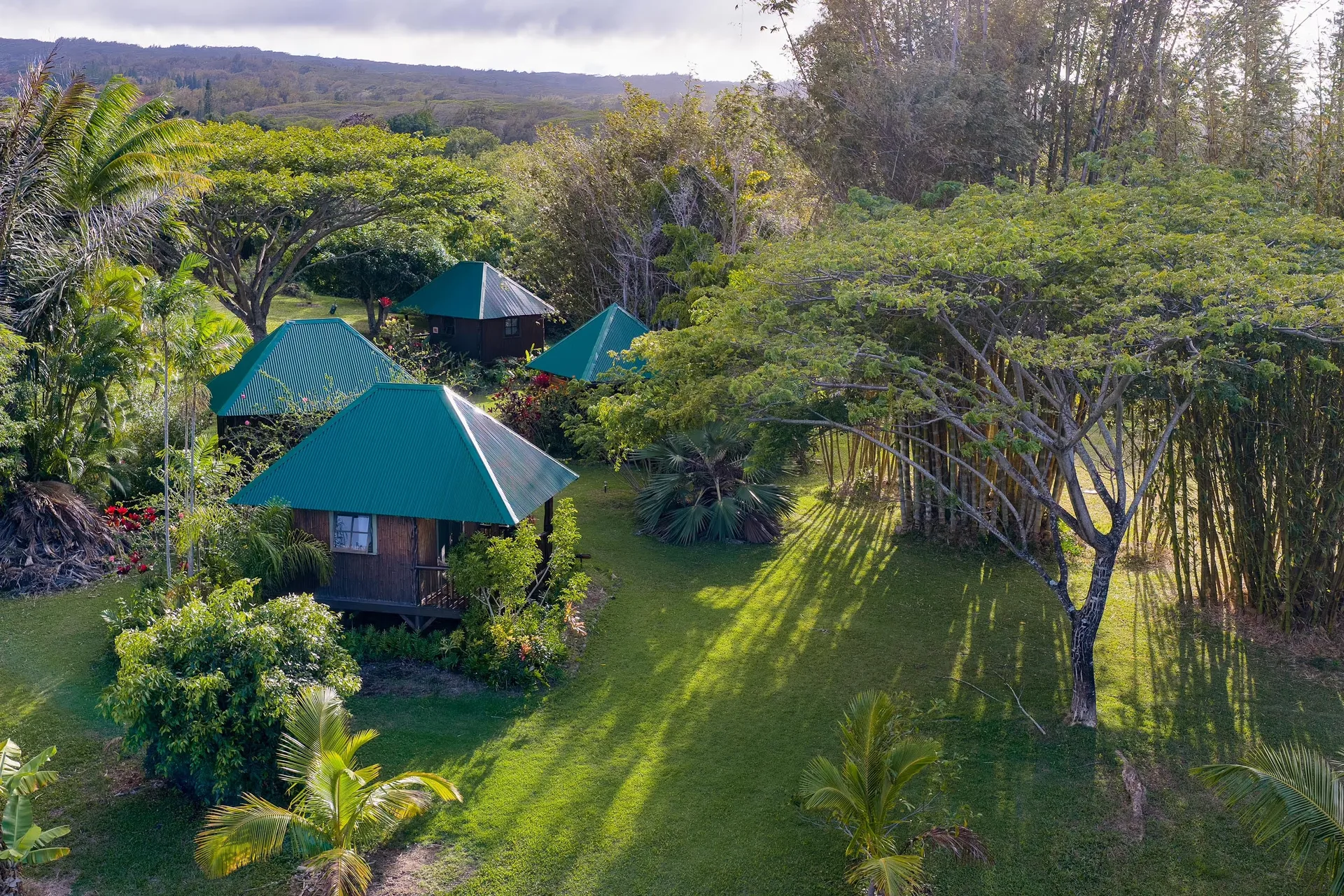
Starseed Ranch
A rustic, regenerative farm and eco-retreat tucked into the hills of North Kohala.
The Reality Check
The manta ray dive requires calm conditions — build flexibility
Manta ray night dive and snorkel tours from Keauhou Bay are cancelled on nights when ocean swell or wind makes conditions unsafe. Summer delivers the calmest conditions and lowest cancellation rates. Stay multiple nights near Kona if the manta dive is a priority — a single-night booking that gets cancelled leaves no options. Operators post same-day conditions online and most offer rebooking when tours cancel for weather.
Book Multiple NightsCheck the volcano before you drive to the park
Hawaii Volcanoes National Park is 2 hours from Kona and 45 minutes from Hilo. The Kīlauea eruption status changes day to day — a fountaining episode at night is dramatically different from the same overlooks during a pause between episodes. Check the USGS Hawaiian Volcano Observatory website (usgs.gov/volcanoes/kilauea) the morning of your visit. If an episode is forecast, evening and night visits to the park deliver the best experience. Vog levels also vary — check vog.hi.gov for air quality.
Check USGS Day-OfThe island is enormous — plan around your base
Driving from the Kohala Coast to Hawaii Volcanoes National Park takes 2 hours each way. From Hilo to Kona is 1.5 to 2 hours via the Saddle Road. Most visitors underestimate the distances and overload their itineraries. Pick a base that matches your primary activities — Kona or Kohala for diving and the manta ray dive, Hilo or Volcano Village for the national park and east side waterfalls — and plan day trips accordingly.
Choose Your Base CarefullyHead-to-Head Comparisons in Big Island, Hawaii
Direct comparisons of rates, atmosphere, and setting to help you pick the right property.