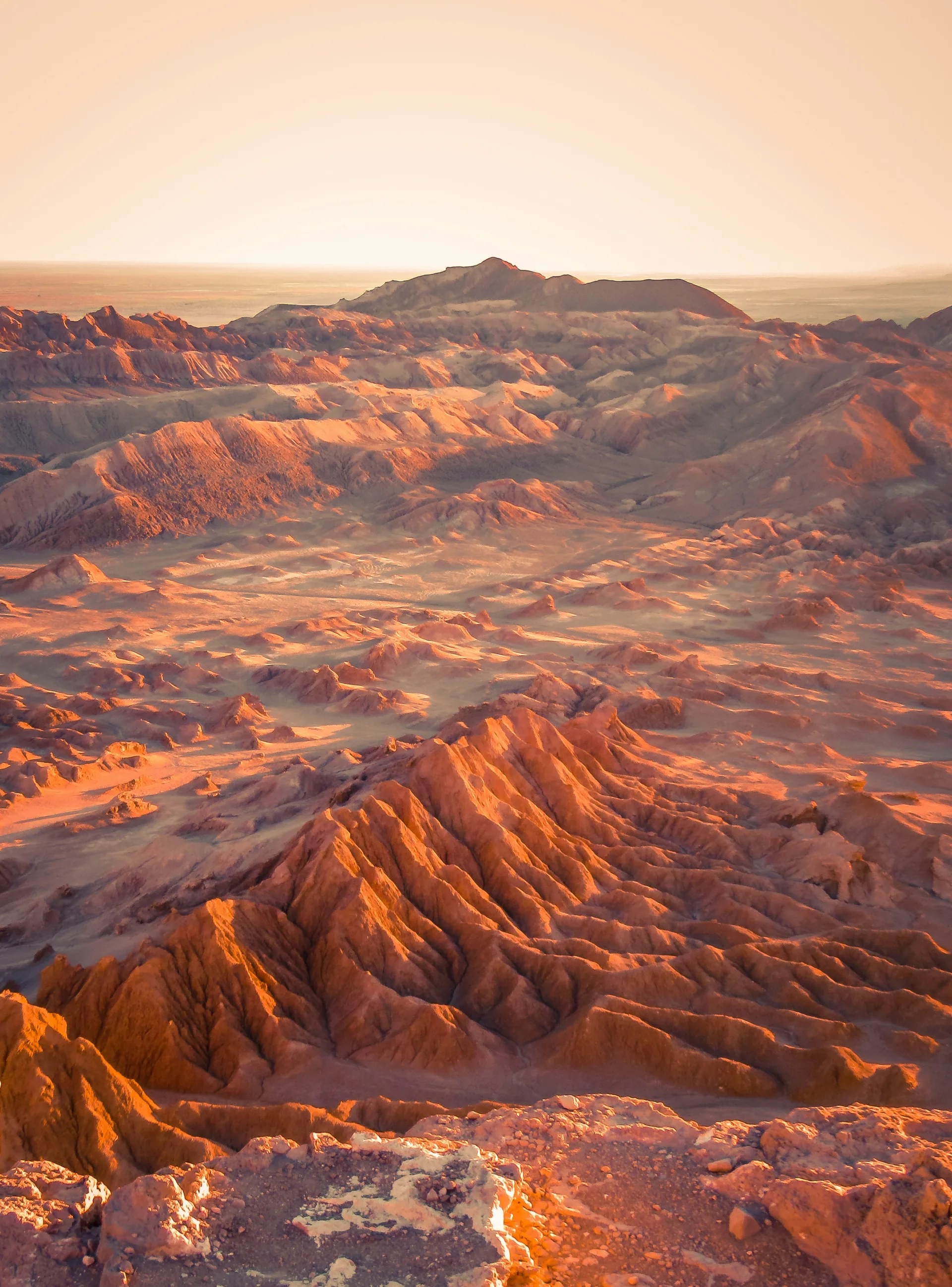
Atacama Desert, Chile
Hiking the crimson rock canyons of the Moon Valley, soaking in high-altitude thermal geysers at dawn, and observing the star-choked night sky under zero light pollution.
Atacama's hyper-dry air and high altitude (averaging 8,000 feet) demand immediate hydration and sun protection, with altitude sickness a common risk for the first 48 hours. Luxury adobe lodges here are extremely scarce and command premium rates, requiring bookings at least 8 to 10 months in advance.
Atacama's hyper-dry air and high altitude (averaging 8,000 feet) demand immediate hydration and sun protection, with altitude sickness a common risk for the first 48 hours. Luxury adobe lodges here are extremely scarce and command premium rates, requiring bookings at least 8 to 10 months in advance. The winter months of June to August deliver freezing night conditions but the cleanest stargazing skies of the year.
When to visit
Bar height = overall visitability. Color = conditions tier.
For ten months of the year, the Atacama receives virtually zero rainfall (often <0.1 inches per month). Stargazing conditions are at their peak from May to September when the cold air holds zero vapor.
Winter (June–August) features beautiful sunny hiking days at 65°F, but the dry air allows all heat to escape at night. Temperatures drop to 37°F and feel colder with the wind, demanding heavy cold-weather layers.
What's good, and when
May: Autumn Chill
Ready to plan your trip?
Tell us when and how you travel — we'll match it to the right months, the right properties, and the right price.
Hotels & Lodges
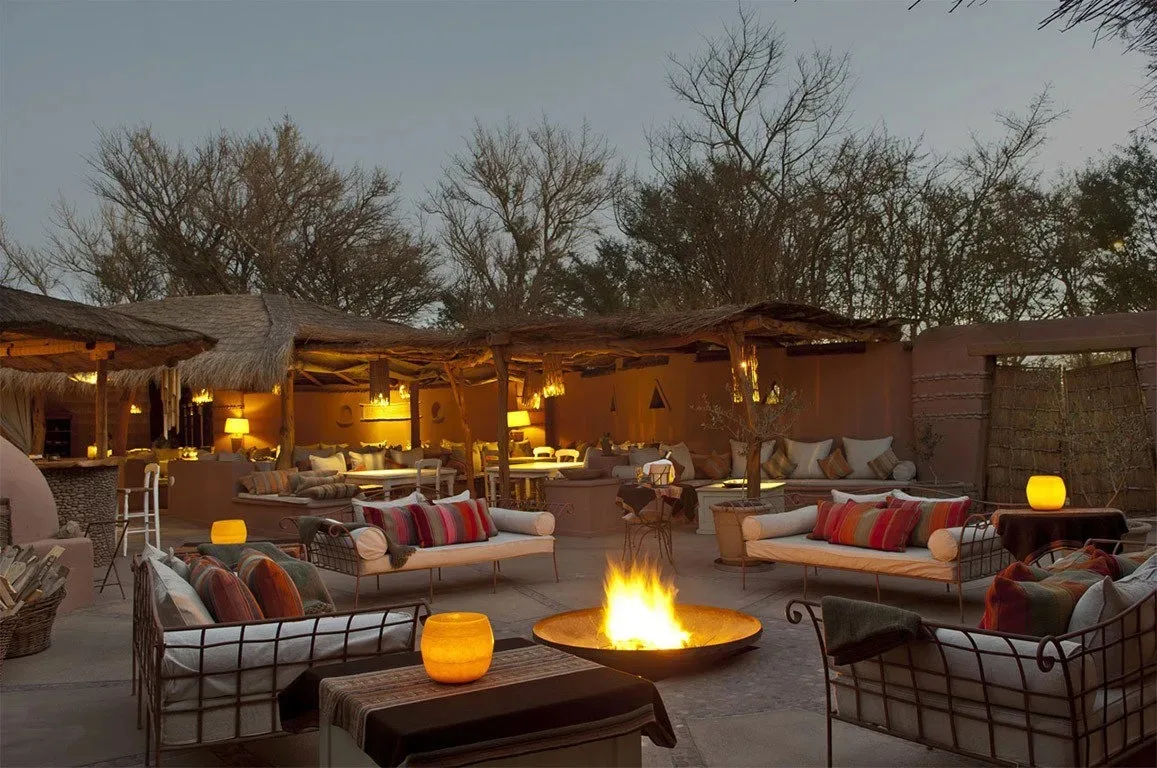
Awasi Atacama
An ultra-exclusive Relais & Châteaux retreat offering private guides and tailor-made desert safaris in the heart of San Pedro.
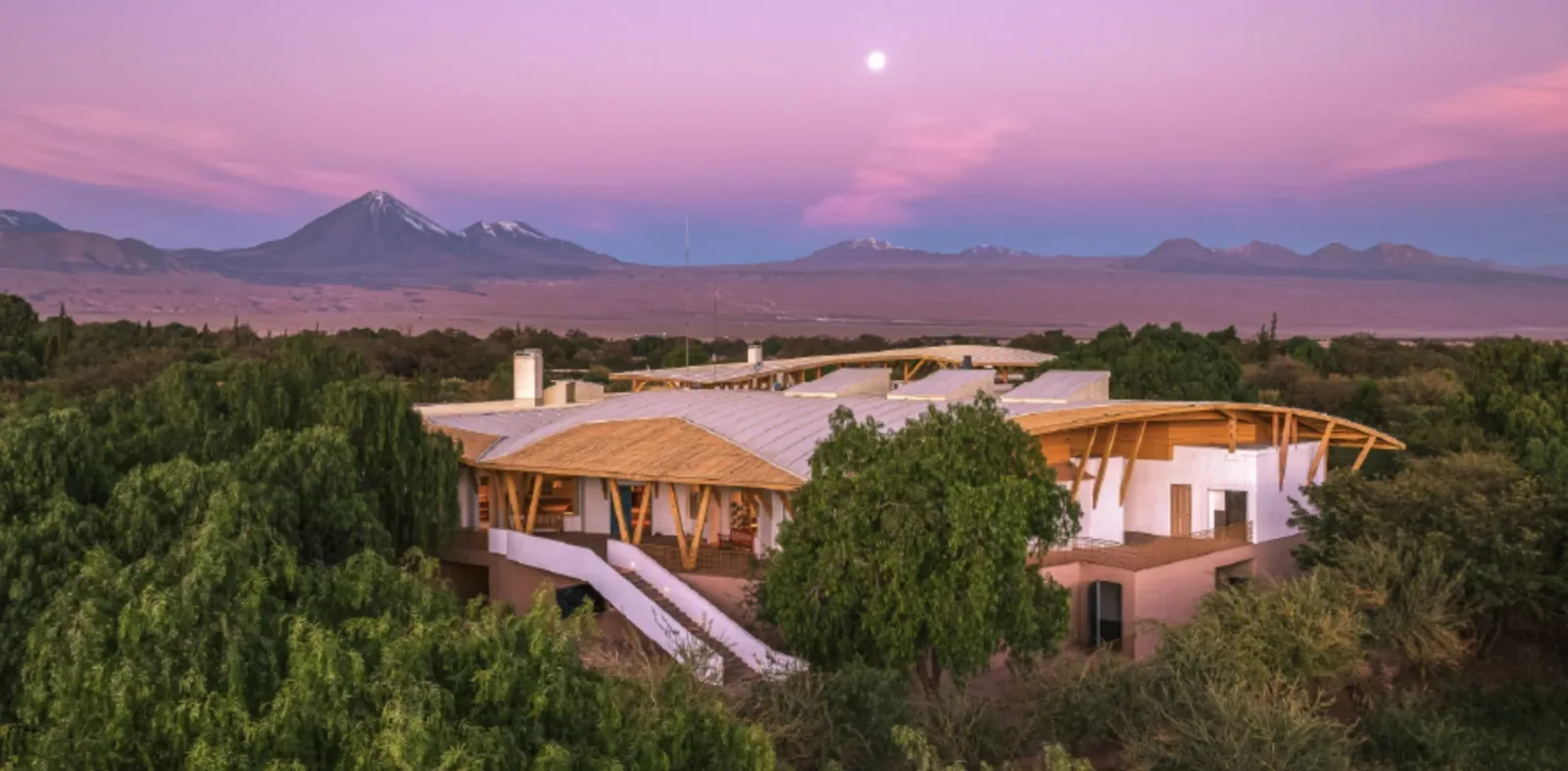
Explora Atacama
An active exploration base camp nestled in a historic oasis, complete with its own private astronomical observatory.
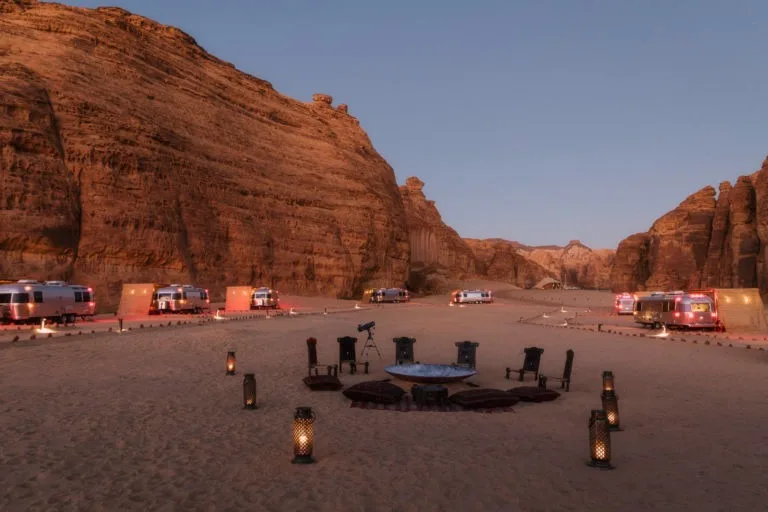
Our Habitas Atacama
Low-impact adobe lodges in the driest desert on Earth.
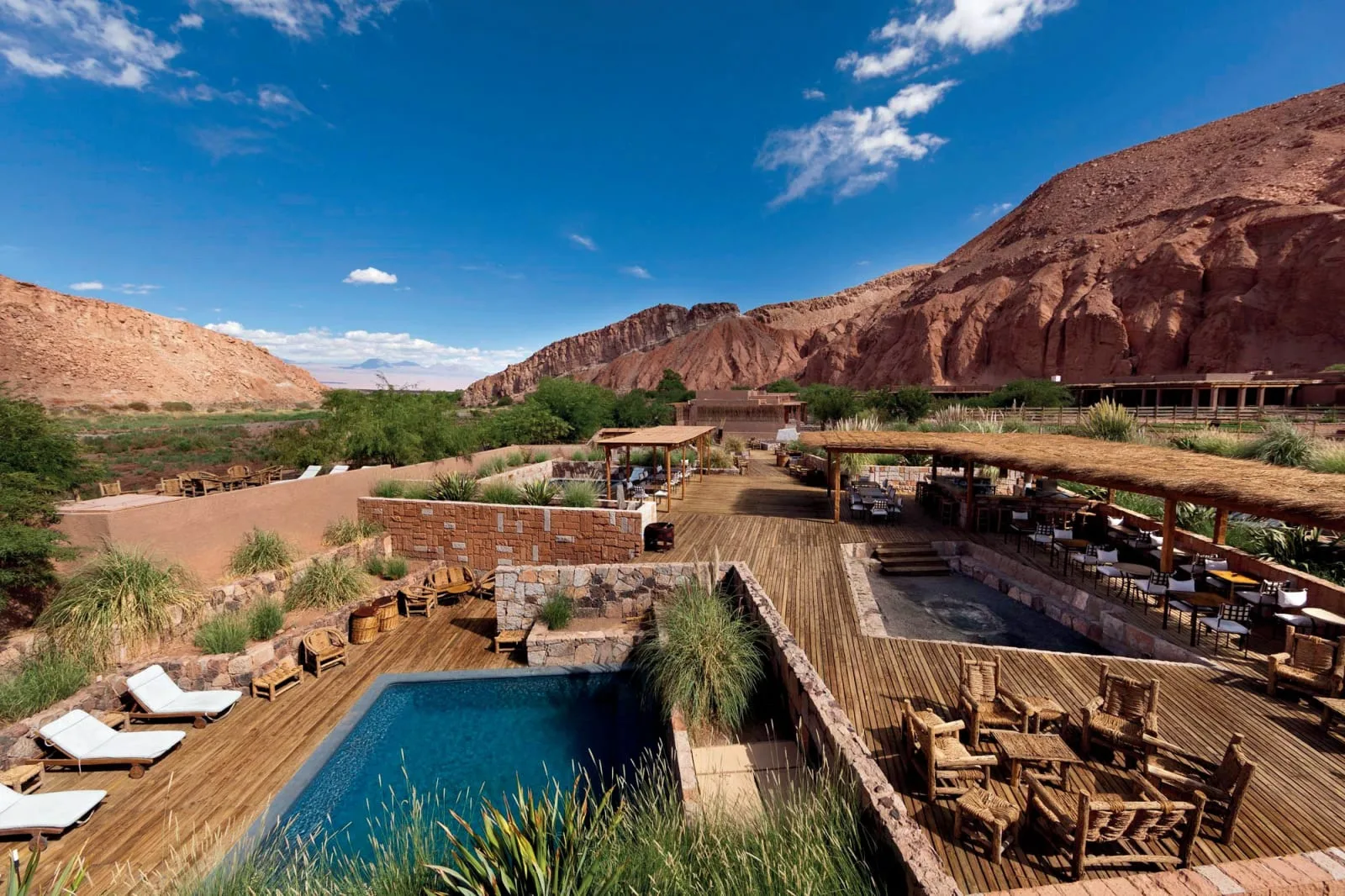
Nayara Alto Atacama
An architectural sanctuary of raw stone and adobe sheltered beneath the towering terracotta cliffs of the Salt Mountain Range.
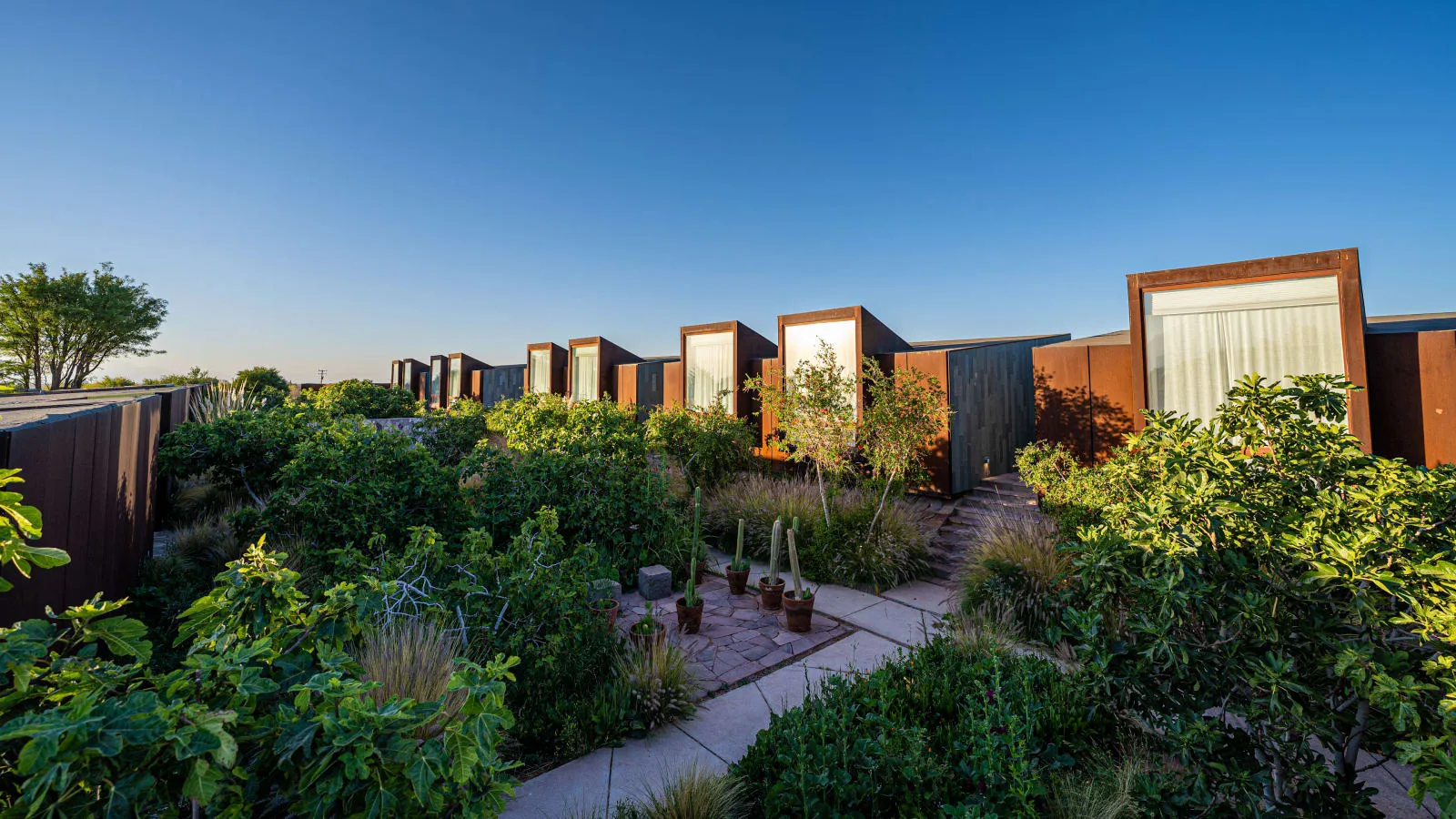
Tierra Atacama
An architectural desert oasis crafted of raw adobe and local stone, framing panoramic views of the Licancabur Volcano.
The Reality Check
Altitude sickness (soroche) is a genuine concern
San Pedro sits at 7,900 feet, but excursions to the geysers and mountain peaks climb past 14,000 feet. Rest for the first 24 hours, avoid alcohol, and drink massive amounts of water to acclimatize before attempting high climbs.
Acclimatize Before ClimbingThe desert sun burns rapidly through high UV indexes
Due to thin mountain air and zero cloud cover, the solar UV index in the Atacama reaches extreme levels year-round. Carry robust mineral sunscreen, polarized sunglasses, and a wide-brimmed sun hat on all daylight walks.
Pack High-UV ProtectionMost excursions leave long before sunrise
Excursions to key highlights like the El Tatio geysers leave San Pedro at 04:30 in freezing darkness to catch the thermal activity at first light. Pack heavy windproof parkas, beanies, and gloves, even in summer.
Prepare for Early Cold DeparturesHead-to-Head Comparisons in Atacama Desert, Chile
Direct comparisons of rates, atmosphere, and setting to help you pick the right property.