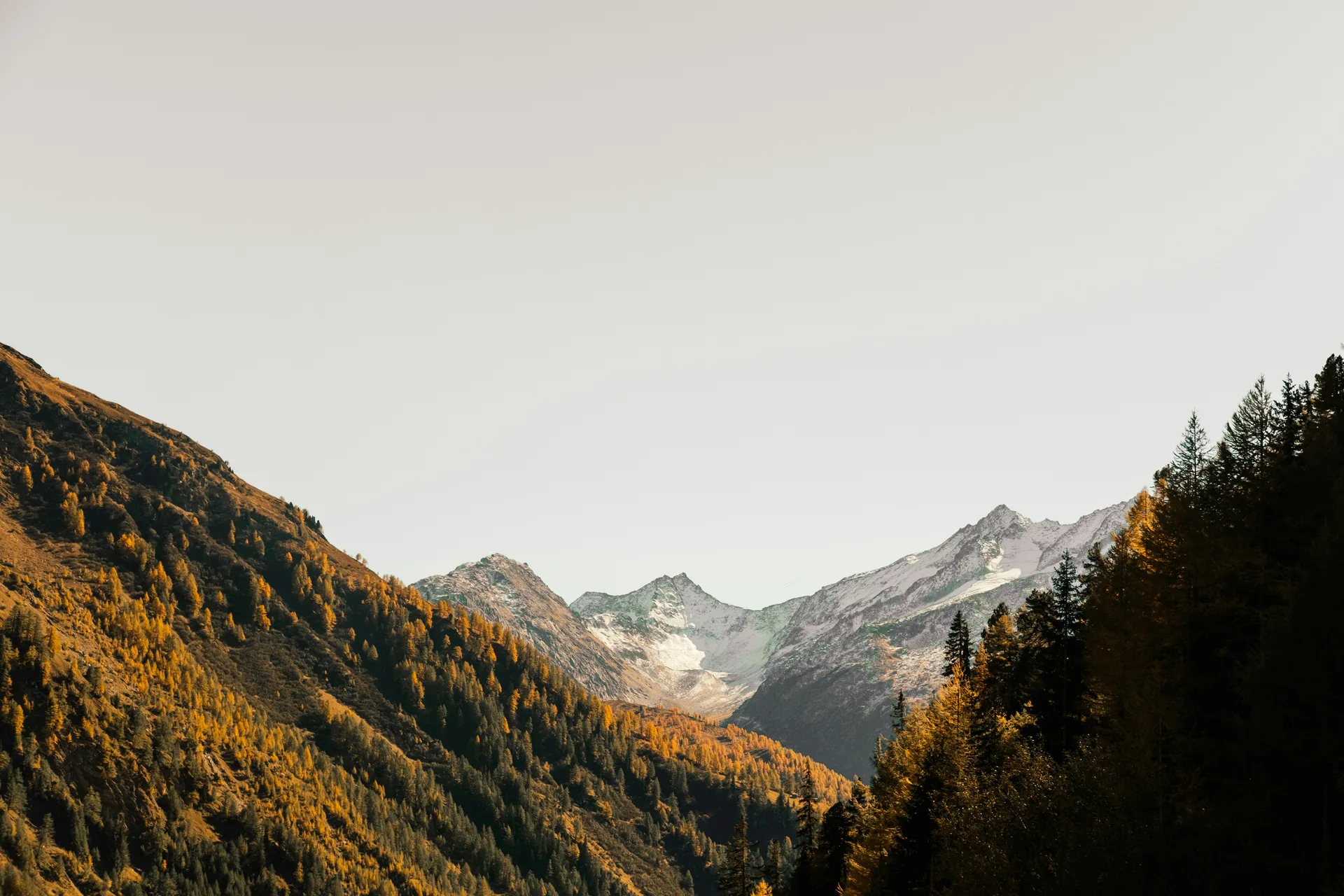
San Juan Mountains, Colorado
Hiking the high-alpine basins surrounding Telluride, soaking in mineral-rich natural hot springs in ghost-town cabins, and skiing deep backcountry powder fields.
SW Colorado's San Juan range is an alpine and thermal paradise, but the high elevations (most valleys sit above 8,500 feet and peaks climb past 14,000 feet) demand careful acclimatization to avoid altitude sickness. The spring mud season in April and May, and late autumn in November, see local ski resorts and mountain passes close for maintenance.
SW Colorado's San Juan range is an alpine and thermal paradise, but the high elevations (most valleys sit above 8,500 feet and peaks climb past 14,000 feet) demand careful acclimatization to avoid altitude sickness. The spring mud season in April and May, and late autumn in November, see local ski resorts and mountain passes close for maintenance. Book stays at historic hot spring ranches 10 to 12 months in advance for peak winter or summer seasons.
When to visit
Bar height = overall visitability. Color = conditions tier.
The San Juan Mountains have two distinct peaks: July–September for clear high-alpine hiking and thermal soaking, and December–March for winter skiing when the mountains catch dry powder snow packs.
Because the range sits at a high altitude (valleys are 8,500ft+, summits are 14,000ft+), winter temperatures are freezing, with highs under 20°F and lows dropping below zero. Heavy polar-weight layers are mandatory.
What's good, and when
February: Pure Winter
Ready to plan your trip?
Tell us when and how you travel — we'll match it to the right months, the right properties, and the right price.
Hotels & Lodges
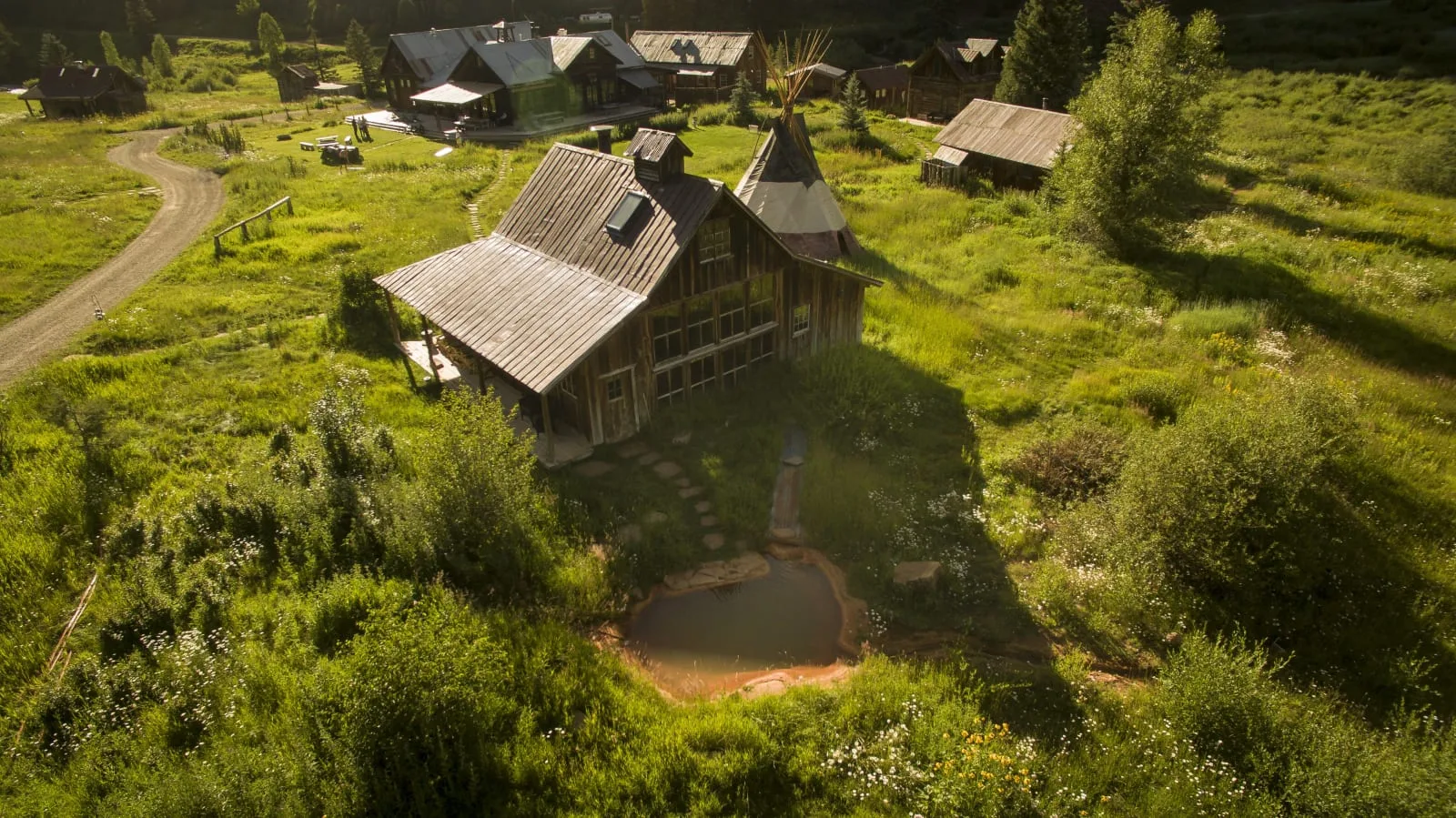
Dunton Hot Springs
A beautifully restored 1800s ghost town transformed into an ultra-exclusive cabin resort, set around natural mineral hot springs in a quiet mountain valley.
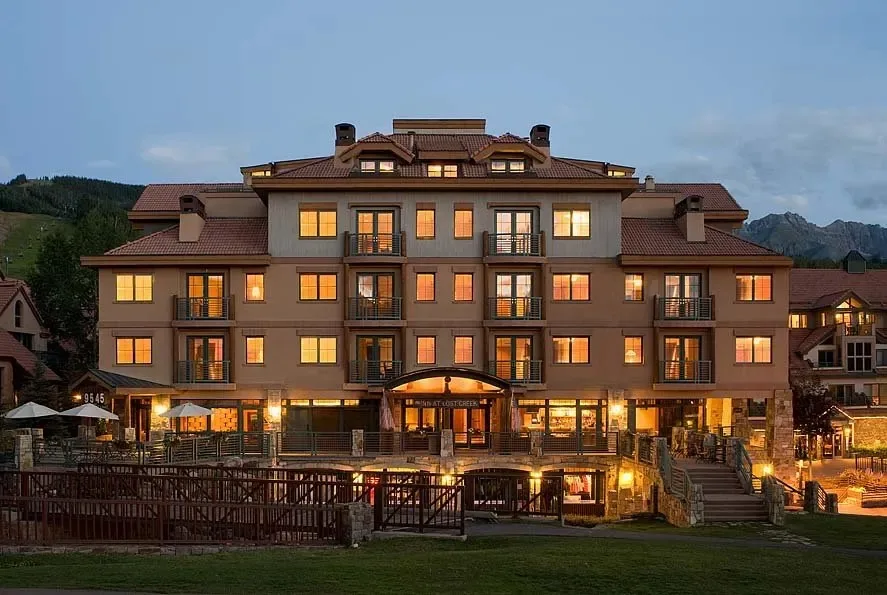
Inn at Lost Creek
An intimate, award-winning 32-room boutique lodge in Mountain Village, Telluride, offering slope-side access and highly personalized service.
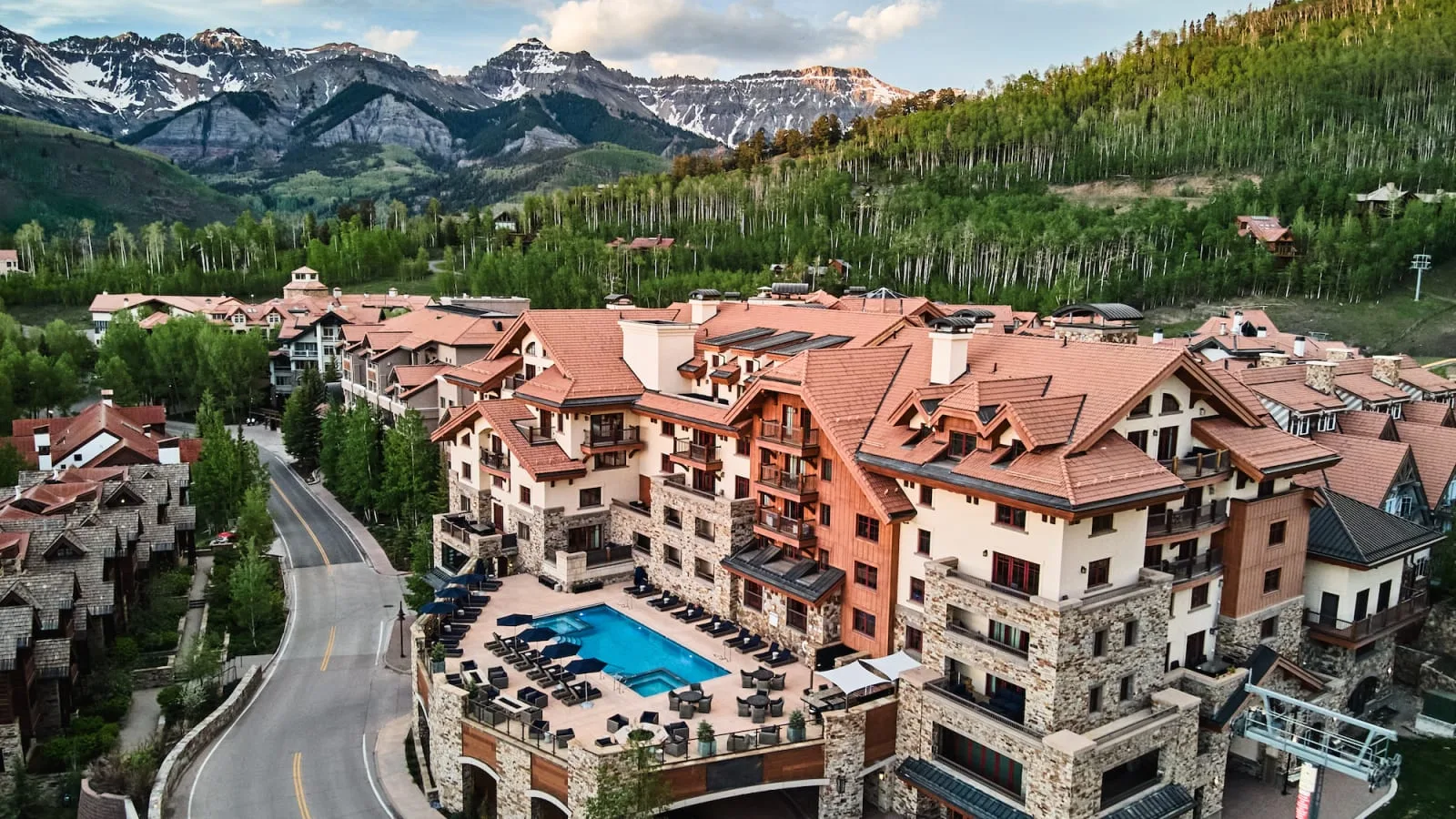
Madeline Hotel & Residences, Auberge Resorts Collection
A polished, ski-in/ski-out alpine resort set in Mountain Village, Telluride, featuring upscale modern mountain residences and Auberge style.
The Reality Check
Altitude sickness (soroche) is a genuine threat
Most hotels and valleys sit above 8,500 feet. Rest for the first 24 hours, avoid alcohol, and hydrate heavily with electrolytes to acclimatize before attempting any summit hikes.
Hydrate & Acclimatize EarlyWatch for sudden afternoon thunderstorms
During the summer (July and August), daytime heating draws moisture up the mountains, creating predictable afternoon thunderstorms and lightning strikes. Always finish high-summit treks by 12:00.
Summit Before MiddayWinter tires are legally required
Colorado's traction laws are strictly enforced on Highway 550. During active snowstorms, vehicles must have winter tires or chains; failing to comply can result in steep fines and road tow costs.
Rent 4x4 with Snow TiresHead-to-Head Comparisons in San Juan Mountains, Colorado
Direct comparisons of rates, atmosphere, and setting to help you pick the right property.