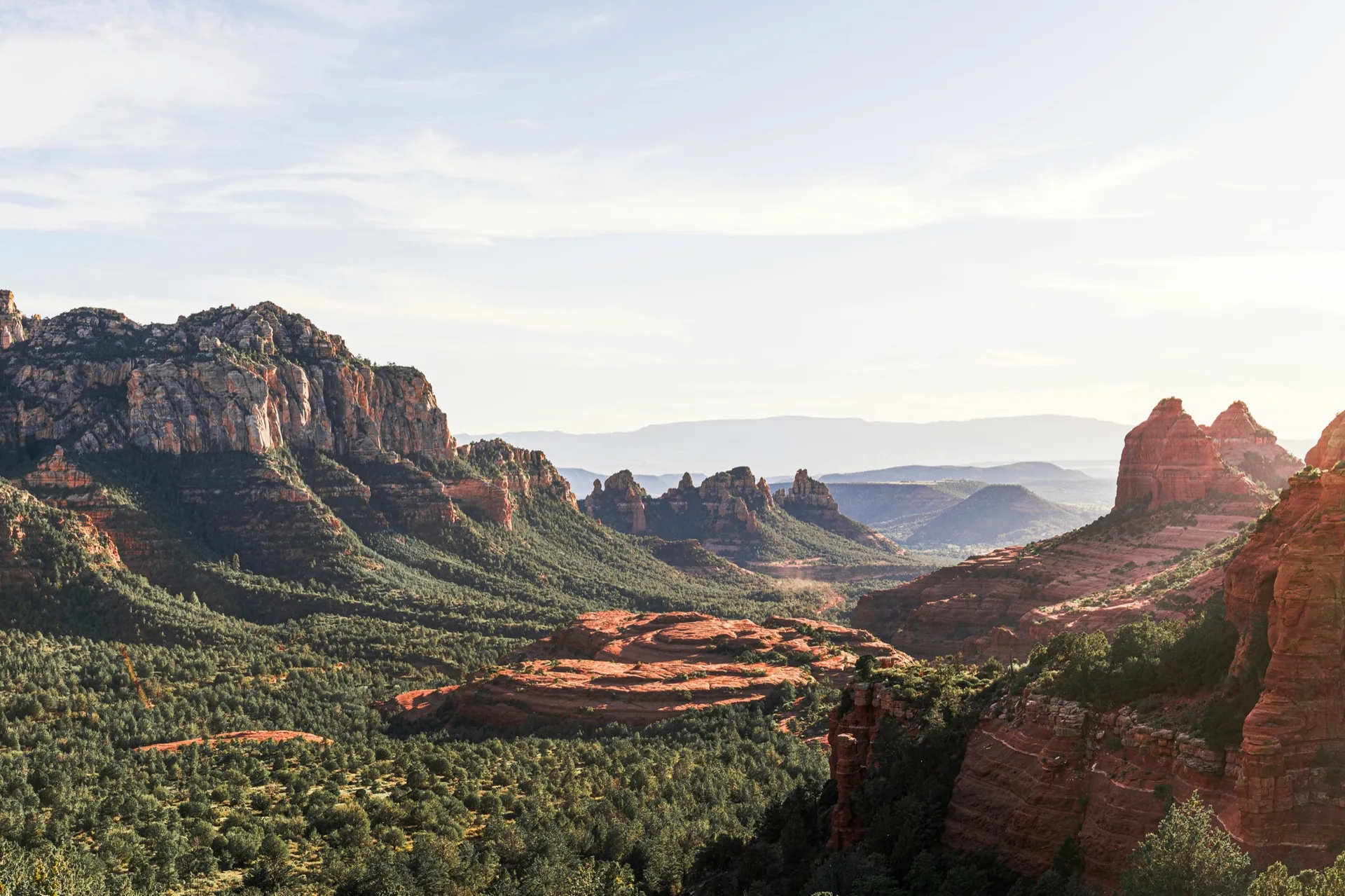
Hiking Cathedral Rock and Devil's Bridge at sunrise, swimming the natural sandstone slides of Slide Rock State Park in Oak Creek Canyon, and watching the red rock buttes turn amber under a certified dark sky.
Vibe
Desert, Trails & Dark Sky
Peak Season
Mar–May · Sep–Nov
Getting Here
2hr from PHX
Elevation
4,500 Feet
The Honest Pitch
Sedona is not a hidden gem and has not been one for a long time. State Route 89A through uptown is genuinely congested on spring and fall weekends, the Cathedral Rock parking lot fills before 8am, and Devil's Bridge has a line of people waiting to stand on the arch for a photograph.
The Honest Pitch
Sedona is not a hidden gem and has not been one for a long time. State Route 89A through uptown is genuinely congested on spring and fall weekends, the Cathedral Rock parking lot fills before 8am, and Devil's Bridge has a line of people waiting to stand on the arch for a photograph. None of this is a reason not to come — the landscape earns every visitor it attracts. The fix is consistent and simple: start before sunrise, hike on weekdays, and go in the shoulder windows.
Getting Here
PHXRecommended
Phoenix Sky Harbor International
2hr Drive
2hr Drive
FLG
Flagstaff Pulliam Airport
40min Drive
40min Drive
A car is essential. Sedona has a free shuttle system (Sedona Shuttle) connecting major trailheads from spring through fall — genuinely useful for the most popular trails where parking fills before 8am. But exploring Oak Creek Canyon, the Village of Oak Creek, and the outlying trails requires your own vehicle. Many trailheads require a Red Rock Pass ($5/day or $15/week) — purchase at the trailhead kiosk or visitor center.
Seasonal Conditions
When to visit
Bar height = overall visitability. Color = conditions tier.
Both deliver daytime highs in the 60s–70s, clear skies, and ideal hiking conditions. April brings wildflowers and spring migration. October brings cottonwood gold, fall migration, and the finest photography light of the year. Either month on a weekday is as good as Sedona gets.
Go Early — Always
Cathedral Rock, Devil's Bridge, and Slide Rock all fill their parking lots before 9am in peak season. The free Sedona Shuttle reaches the most popular trailheads and is the practical solution on busy days. On weekdays the lots stay open later, but the habit of arriving at sunrise pays off in every month.
Continued excellent hiking — temperatures still manageable with early starts
Oak Creek warming toward swimming season — late May is when the water becomes comfortable
Birding excellent — Sedona Hummingbird Festival typically in late May at Red Rock State Park
Fewer crowds than April as school season continues
Workable
Temperatures beginning to climb — afternoon hikes increasingly warm
Some summer visitors starting to arrive
Skip
Midday hiking on exposed trails by late May — go before 9am
The Sedona Hummingbird Festival brings birders and naturalists to Oak Creek in late May for guided walks, talks, and access to private birding properties that are closed the rest of the year.
Getting Here
PHXRecommended
Phoenix Sky Harbor International
2hr Drive
2hr Drive
FLG
Flagstaff Pulliam Airport
40min Drive
40min Drive
A car is essential. Sedona has a free shuttle system (Sedona Shuttle) connecting major trailheads from spring through fall — genuinely useful for the most popular trails where parking fills before 8am. But exploring Oak Creek Canyon, the Village of Oak Creek, and the outlying trails requires your own vehicle. Many trailheads require a Red Rock Pass ($5/day or $15/week) — purchase at the trailhead kiosk or visitor center.
Ready to plan your trip?
Tell us when and how you travel — we'll match it to the right months, the right properties, and the right price.
Where to Stay
Hotels & Lodges
Sedona
Boynton Canyon Red Rocks
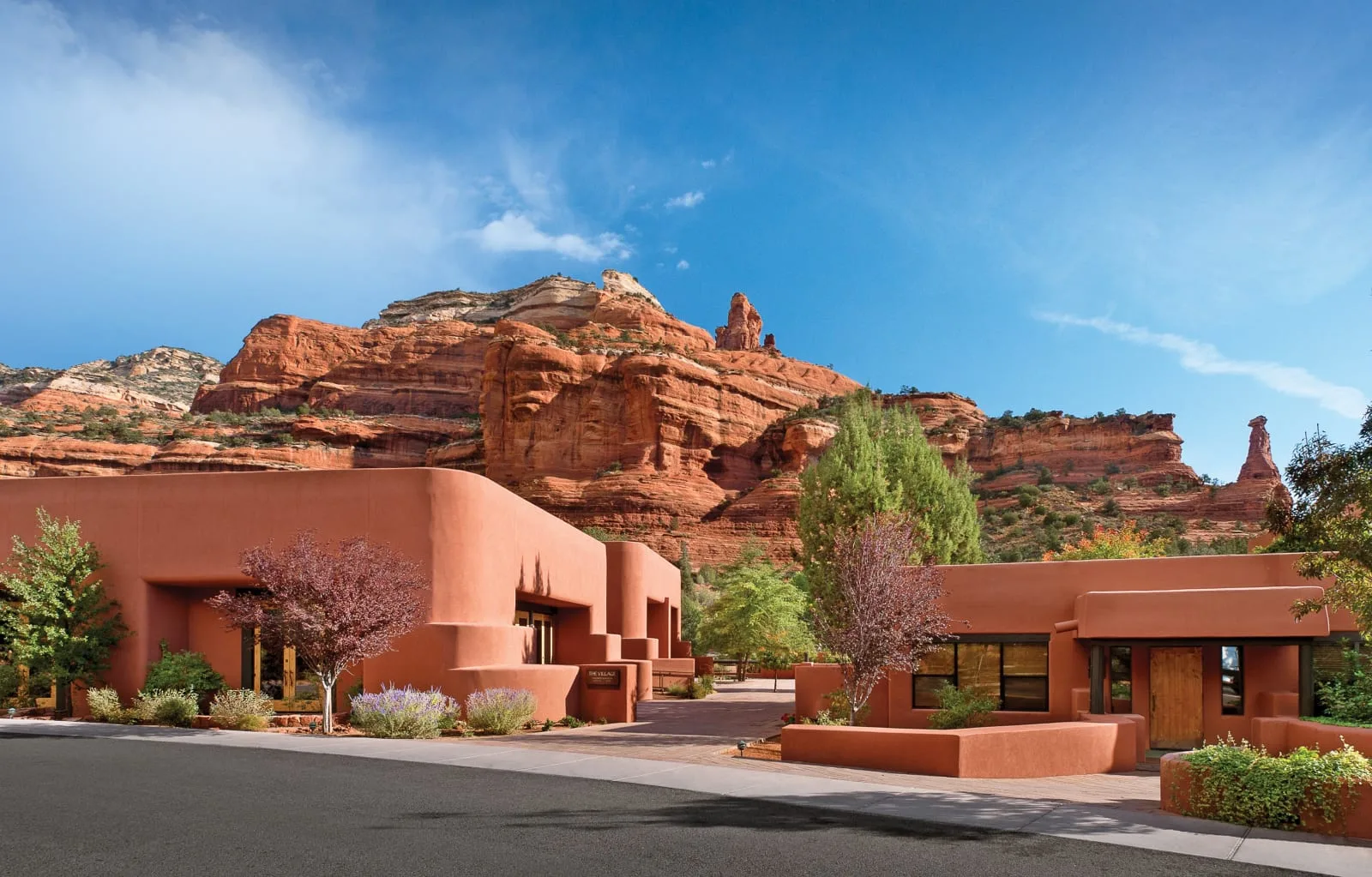
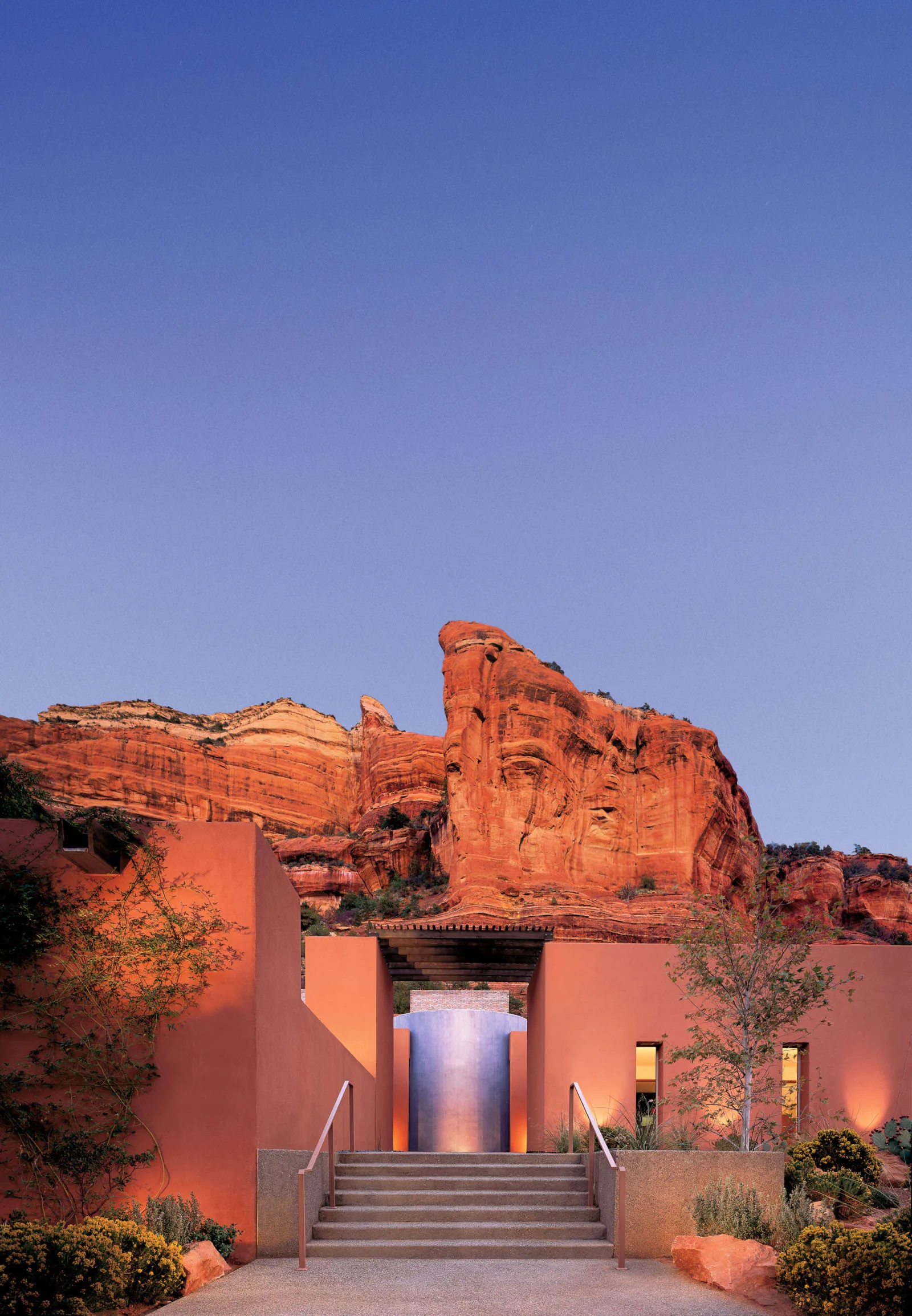
Enchantment Resort
A luxury adobe-style canyon sanctuary featuring premier trail access and dramatic red rock backdrops.
A Red Rock Pass ($5/day, $15/week, or covered by America the Beautiful passes) is required at most Sedona trailheads and day-use areas including West Fork, Boynton Canyon, and Bell Rock. Purchase at the trailhead kiosk or at the Red Rock Visitor Center on Highway 179. Grasshopper Point charges a separate $15/vehicle fee not covered by the Red Rock Pass. Have both covered before you drive to the trailhead.
Buy Pass in Advance
02
Monsoon flash floods are not theoretical
July and August monsoon storms can drop an inch of rain in twenty minutes, and that water moves through slot canyons and washes with no warning. West Fork Trail and any narrow canyon hike can flood from a storm that is miles away and invisible from inside the canyon. Check the National Weather Service forecast for the full watershed — not just the sky overhead — before any canyon hike from July through mid-September.
Check Full Watershed
03
Weekdays are a different destination
On peak season weekends, Cathedral Rock parking fills before 8am and Highway 89A through uptown backs up. The same trails on a Tuesday morning are genuinely quiet. If your schedule allows any flexibility, arriving Sunday evening and hiking Monday through Wednesday delivers a quality of experience that the weekend crowd does not get.
Weekdays Recommended
Reference
Month by Month — Sedona & Red Rocks, Arizona
Jan
Uncrowded trails — Cathedral Rock and Devil's Bridge with almost no other hikers
Feb
Lowest prices and fewest crowds of the year
Mar
Spring wildflowers appearing on the desert floor by late March
Apr
The finest hiking month — wildflowers in bloom, temperatures in the 60s–70s, trails in perfect condition
May
Continued excellent hiking — temperatures still manageable with early starts
Jun
Oak Creek swimming season fully open — Slide Rock and Grasshopper Point excellent
Jul
Oak Creek swimming at its warmest and most enjoyable — the primary reason to be here
Aug
Continued excellent swimming at Slide Rock and Grasshopper Point
Sep
Crowds thinning significantly after Labor Day — trails accessible and lodges easier to book
Oct
Peak fall hiking — temperatures in the 60s–70s, clear skies, cottonwood gold in Oak Creek Canyon
Nov
Shoulder season pricing with excellent hiking conditions
Dec
Peak stargazing season — the longest, darkest, and clearest nights of the year
Decision Guides
Head-to-Head Comparisons in Sedona & Red Rocks, Arizona
Direct comparisons of rates, atmosphere, and setting to help you pick the right property.