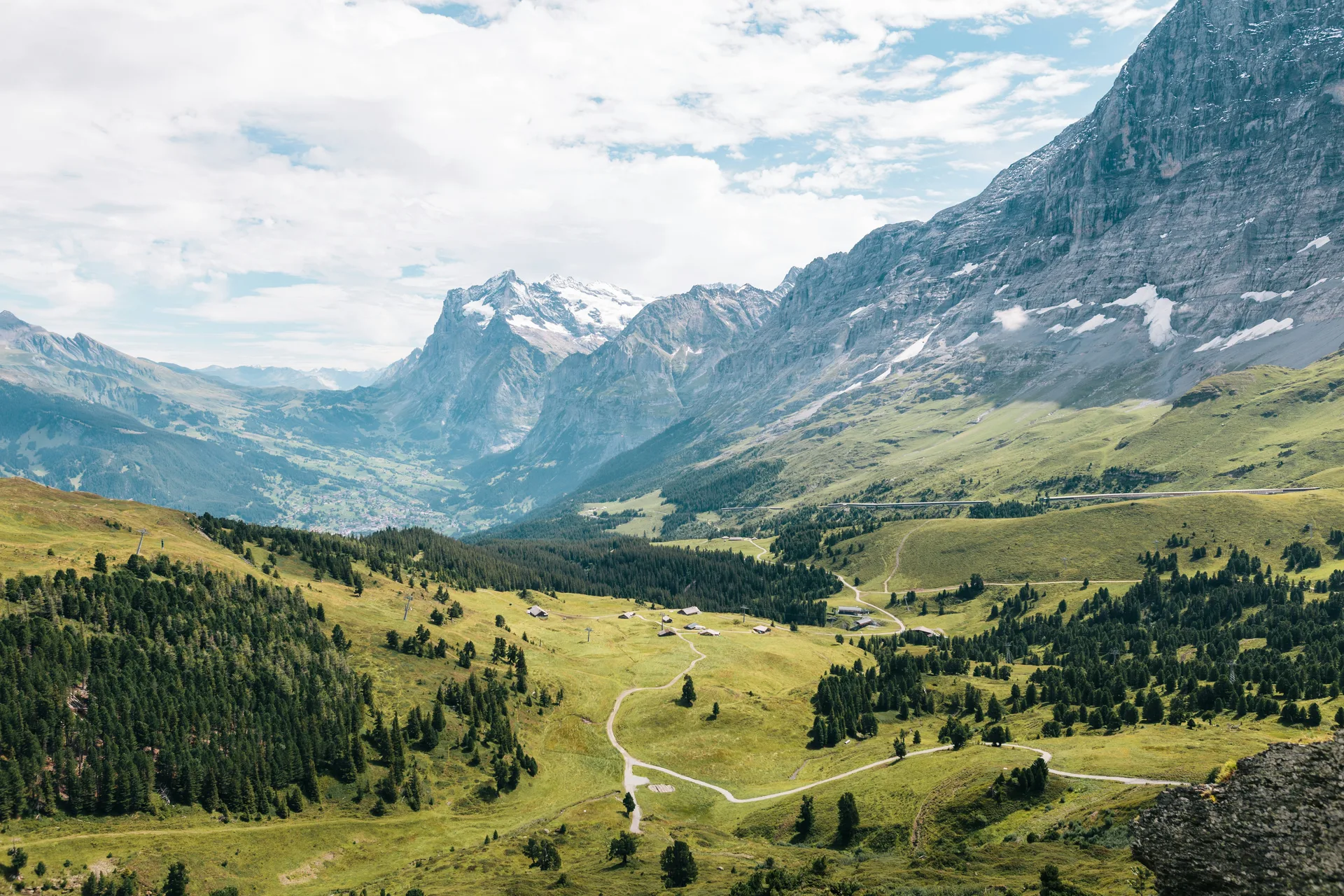
Swiss Alps, Switzerland
Trekking beneath the iconic horn peaks, soaking in geothermal mountain hot springs, and skiing fresh alpine powder.
The Swiss Alps are a premier year-round active hub, but prices peak dramatically during the Christmas holidays and the mid-summer hiking window of July/August. The shoulder months of April and November are the mud season, when most mountain cable cars, ski lifts, and luxury hotels close entirely for maintenance.
The Swiss Alps are a premier year-round active hub, but prices peak dramatically during the Christmas holidays and the mid-summer hiking window of July/August. The shoulder months of April and November are the mud season, when most mountain cable cars, ski lifts, and luxury hotels close entirely for maintenance. Book hotel stays and train passes 8 to 10 months in advance to secure availability.
When to visit
Bar height = overall visitability. Color = conditions tier.
The Swiss Alps have a unique 'two peak' comfort curve. Summer (July–August) delivers warm, sunlit trails for alpine trekking, while Winter (December–February) drops temperatures below freezing but blankets the pistes with world-class ski powder.
April and November are the local 'mud seasons.' As snow melts or starts to fall, hiking trails become dangerous and ski hills are bare. Most cable cars, mountain train routes, and luxury lodges shut down for maintenance during these months.
What's good, and when
February: Peak Ski Season
Ready to plan your trip?
Tell us when and how you travel — we'll match it to the right months, the right properties, and the right price.
Hotels & Lodges
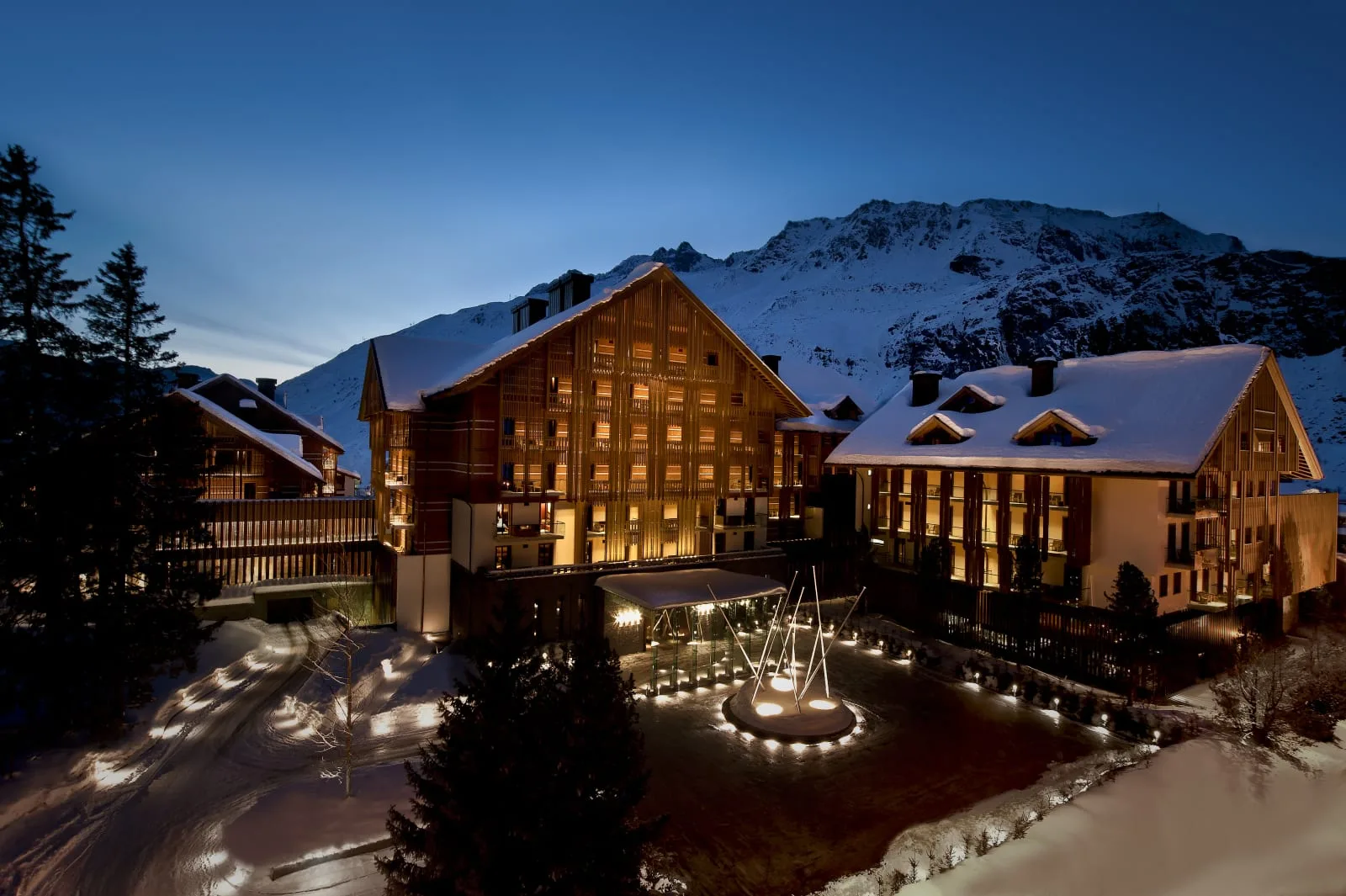
The Chedi Andermatt
An independent luxury resort blending Swiss alpine chalet architecture with contemporary Asian design elements.
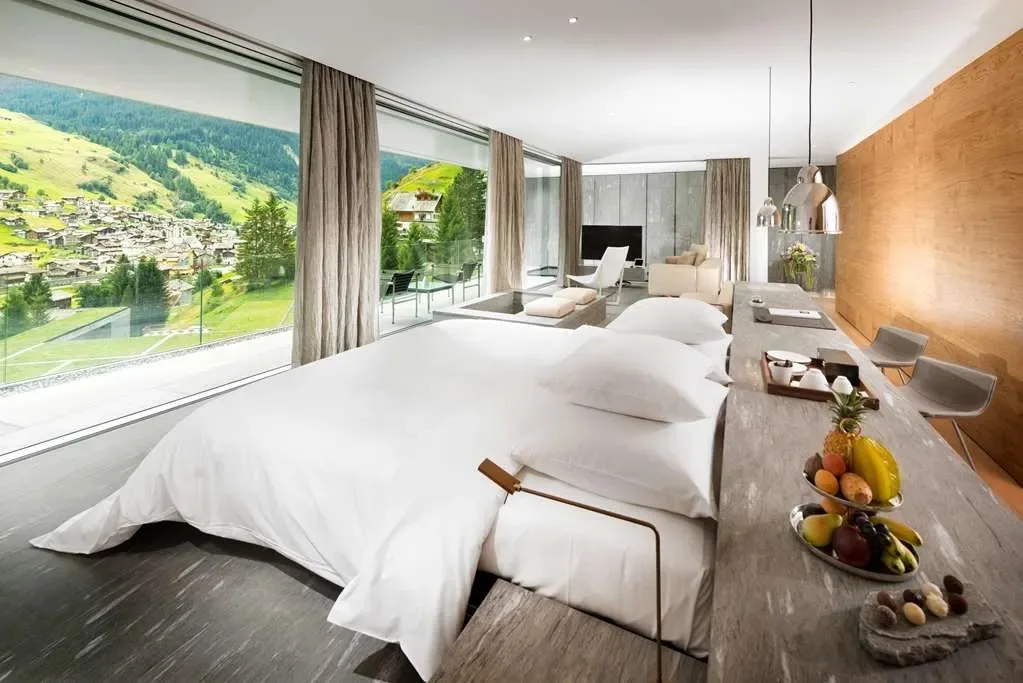
7132 Hotel
A modern design hotel in Vals featuring rooms designed by Pritzker-winning architects and direct, 24-hour access to the famous Peter Zumthor thermal baths.
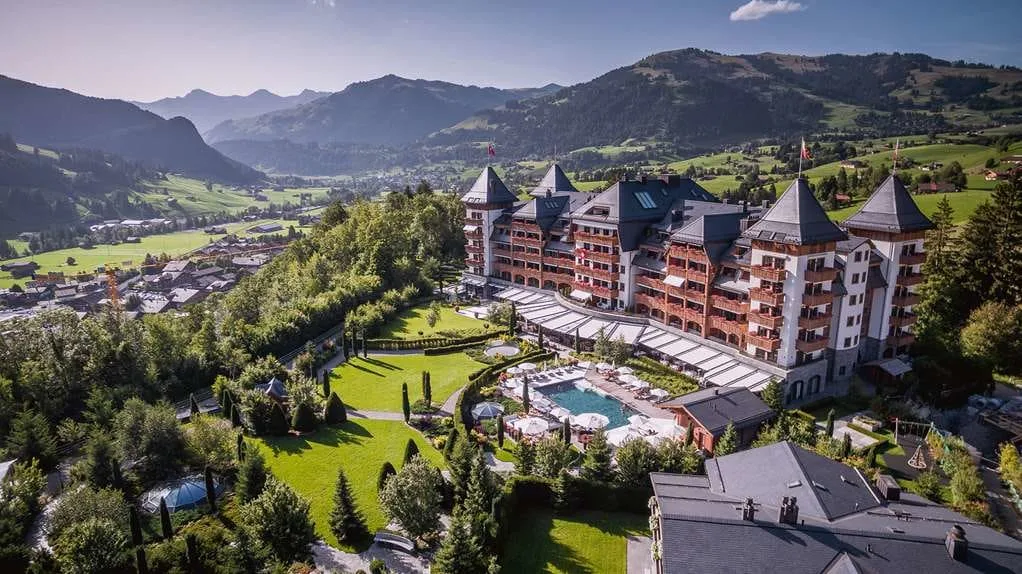
The Alpina Gstaad
An ultra-luxury, independent boutique lodge in Gstaad offering traditional craftsmanship, modern art, and panoramic views of the Bernese Alps.
The Reality Check
Purchase a Swiss Travel Pass before arriving
The pass provides unlimited rides on SBB national trains, local postal buses, lake boats, and even some high-alpine cable cars. Buying individual tickets at terminals is far more expensive and slows down transfer connections.
Pre-Purchase Travel PassCheck cable car maintenance calendars
During the shoulder months of April/May and October/November, key mountain transit systems (like the Zermatt or Vals lines) pause operations for safety overhauls. Always cross-reference your hotel plans with local lift schedules.
Verify Cable Car StatusPack thermal base layers year-round
Even in July and August, high-altitude summits can drop to near-freezing temperatures in the afternoon or during sudden summer rainstorms. Pack technical windproof shells and merino base layers for every mountain hike.
Carry Summit Warm LayersHead-to-Head Comparisons in Swiss Alps, Switzerland
Direct comparisons of rates, atmosphere, and setting to help you pick the right property.