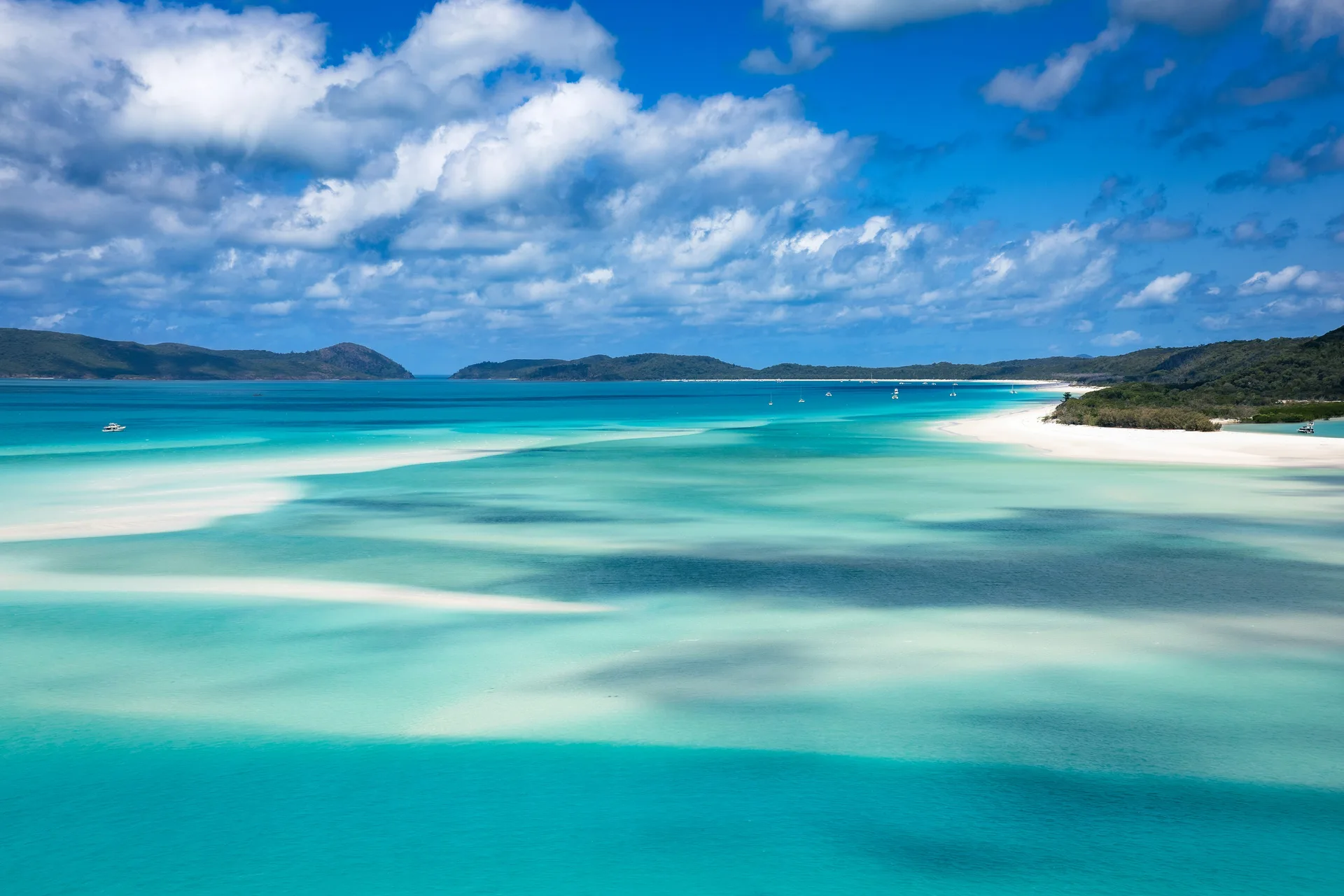
Great Barrier Reef, Australia
Snorkeling alongside manta rays and sea turtles in protected coral lagoons, sailing across turquoise volcanic bays of the Whitsunday Islands, and scenic helicopter flights over the Heart Reef.
The Great Barrier Reef and Whitsundays offer a spectacular marine escape, but visiting during the summer wet season of November to April brings high humidity, occasional tropical cyclones, and marine stinger season (box jellyfish), requiring full-body lycra stinger suits for ocean swimming. To experience peak water clarity and calm seas, plan your visit for the dry winter months of June to October, and secure bookings at luxury island sanctuaries like Qualia at least 10 to 12 months in advance.
The Great Barrier Reef and Whitsundays offer a spectacular marine escape, but visiting during the summer wet season of November to April brings high humidity, occasional tropical cyclones, and marine stinger season (box jellyfish), requiring full-body lycra stinger suits for ocean swimming. To experience peak water clarity and calm seas, plan your visit for the dry winter months of June to October, and secure bookings at luxury island sanctuaries like Qualia at least 10 to 12 months in advance.
When to visit
Bar height = overall visitability. Color = conditions tier.
Winter (June–October) is the peak season. Highs average a comfortable 70–75°F cooled by dry Southeast trade winds, with minimal rain and outstanding underwater snorkeling visibility.
Summer (November–April) brings heavy tropical rain averaging 15.6 inches in January, along with box jellyfish stinger season. Full-body lycra stinger suits are legally required for ocean entry during these months.
What's good, and when
June: Perfect Winter
Ready to plan your trip?
Tell us when and how you travel — we'll match it to the right months, the right properties, and the right price.
Hotels & Lodges
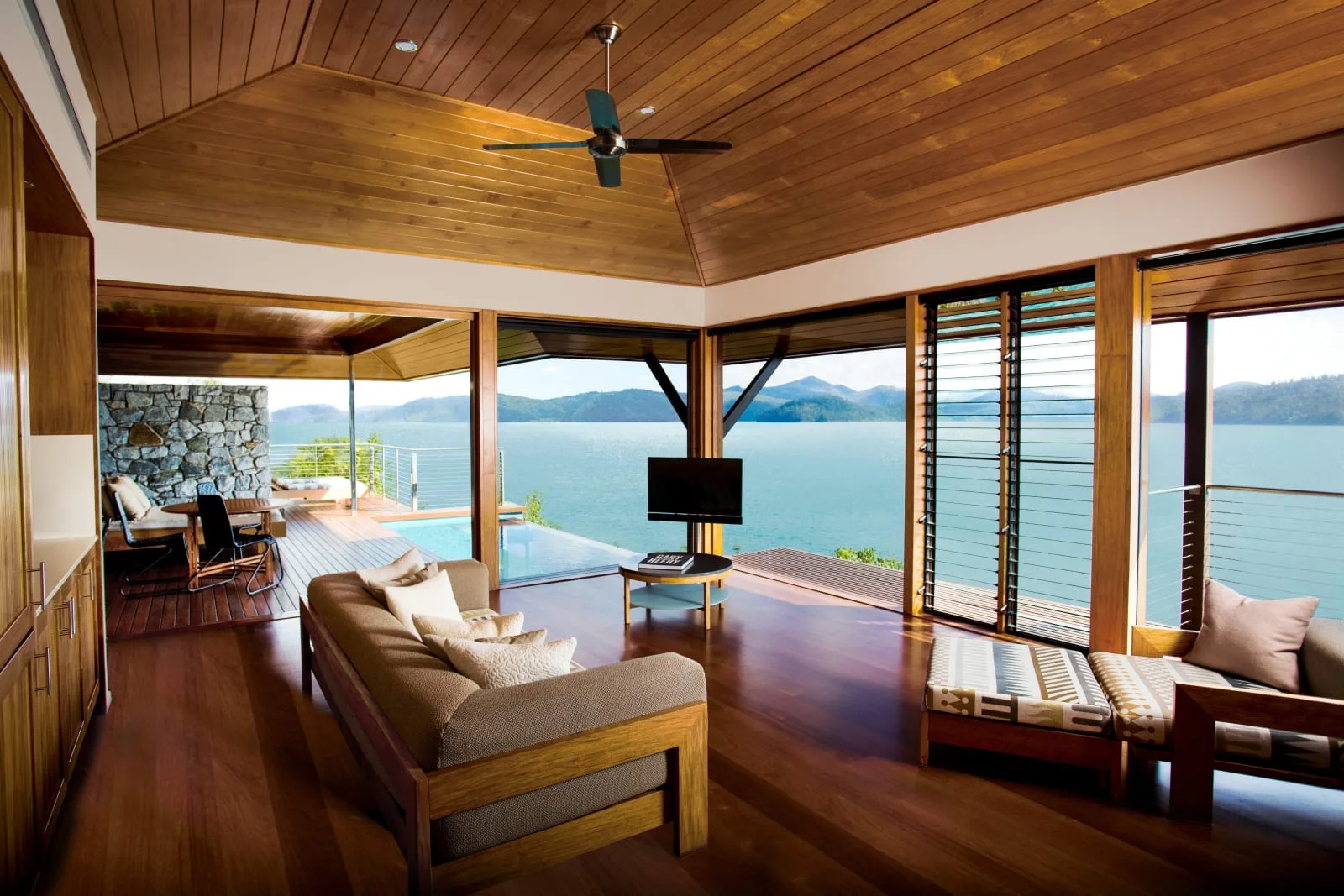
qualia
A secluded, world-class sanctuary occupying the quiet northern tip of Hamilton Island.
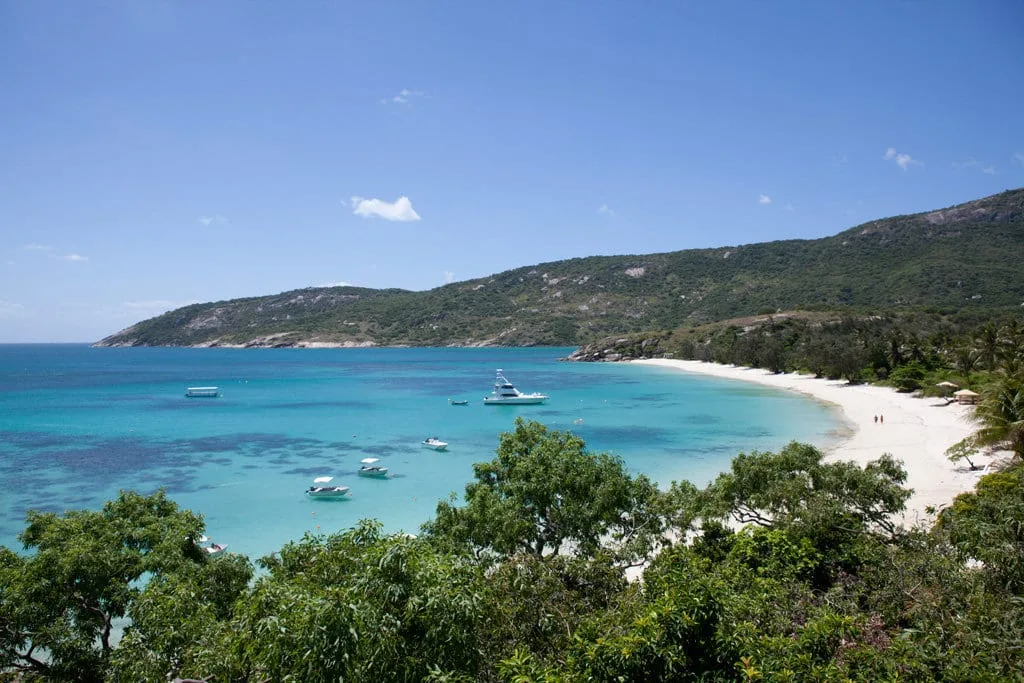
Lizard Island Resort
An exclusive, remote private island resort situated directly on the Great Barrier Reef.
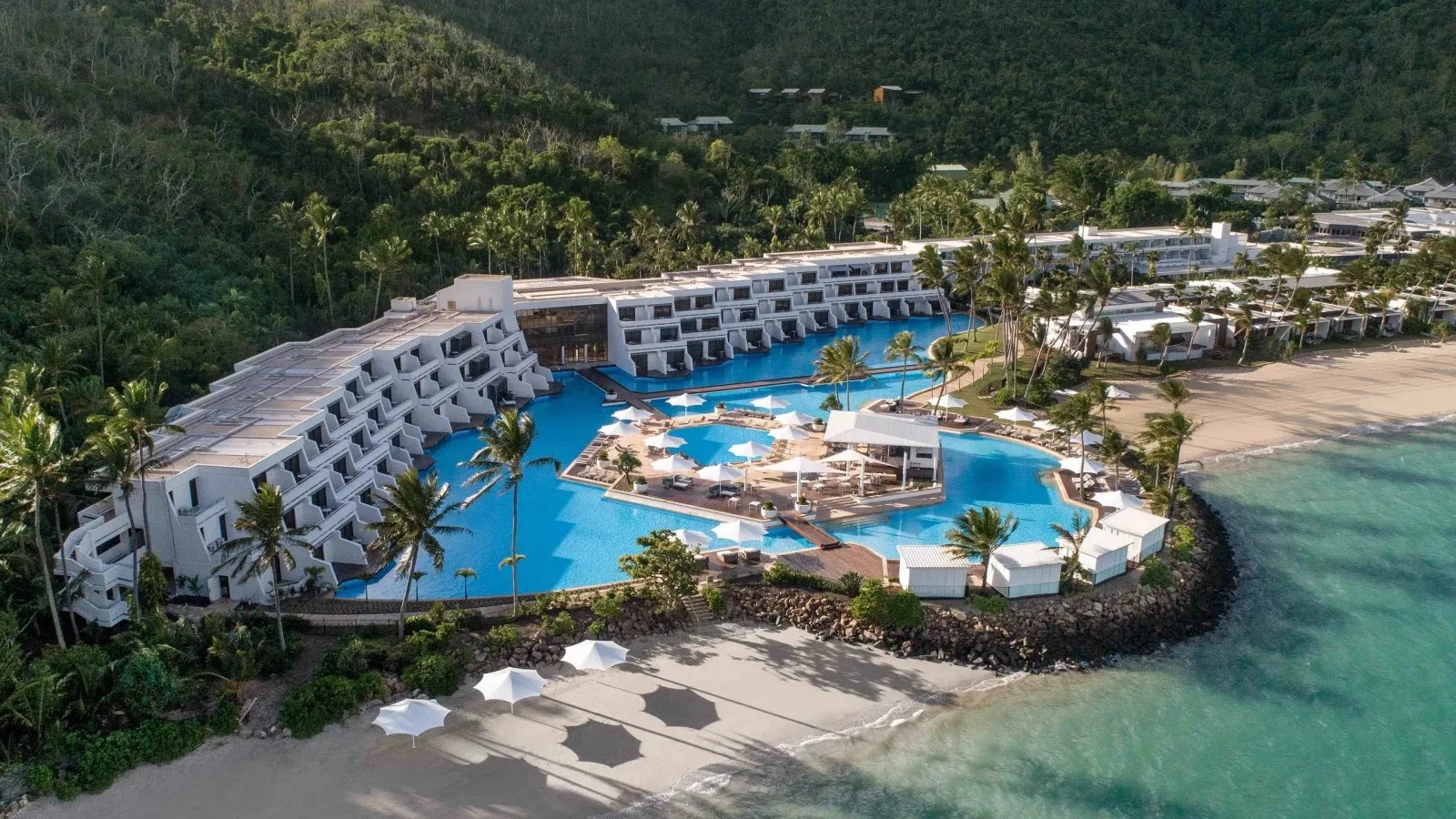
InterContinental Hayman Island Resort
A private island resort in the northern Whitsundays, nestled around a deep turquoise lagoon.
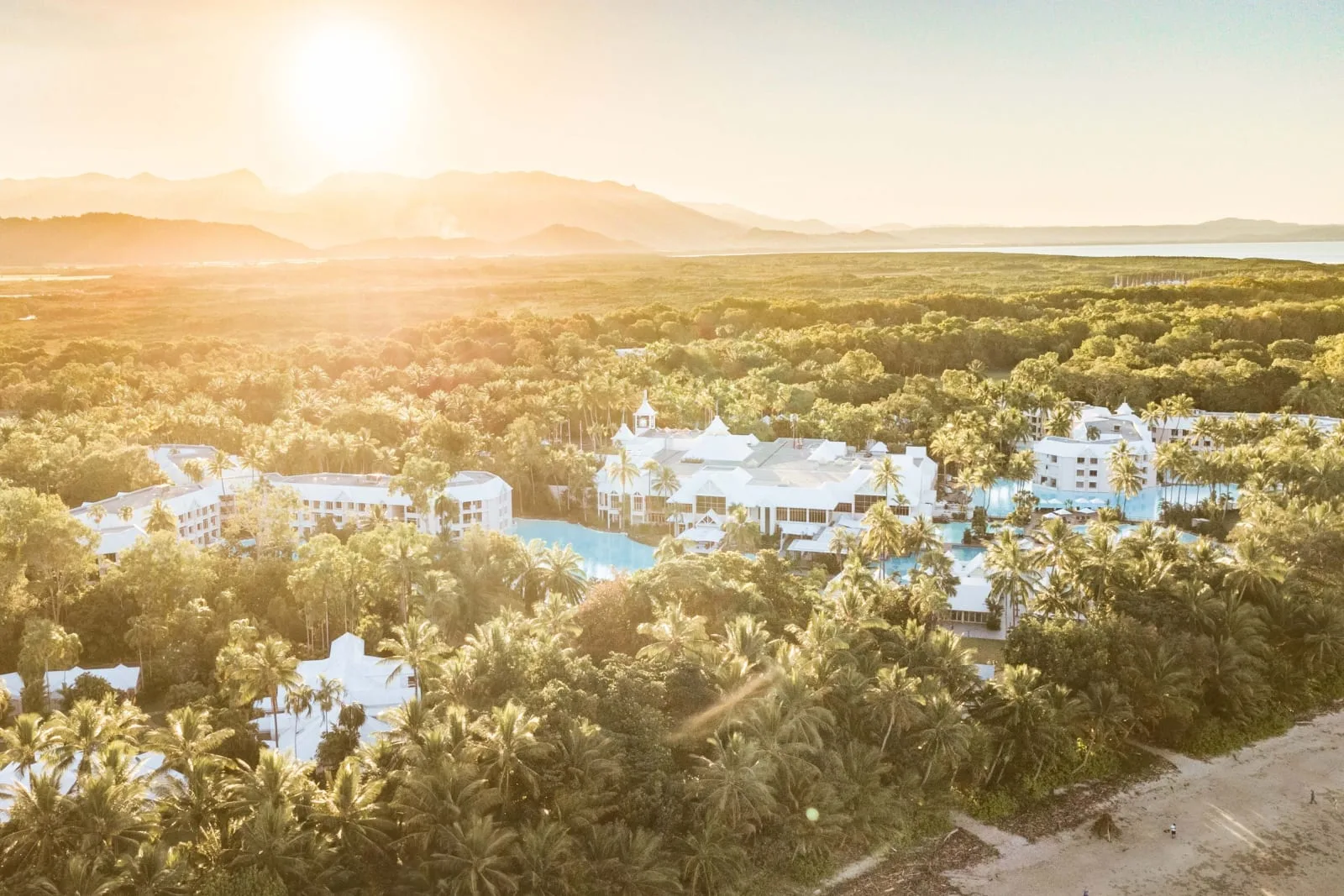
Sheraton Grand Mirage Resort, Port Douglas
A sprawling beachfront resort in Port Douglas, nestled among saltwater lagoons and tropical gardens.
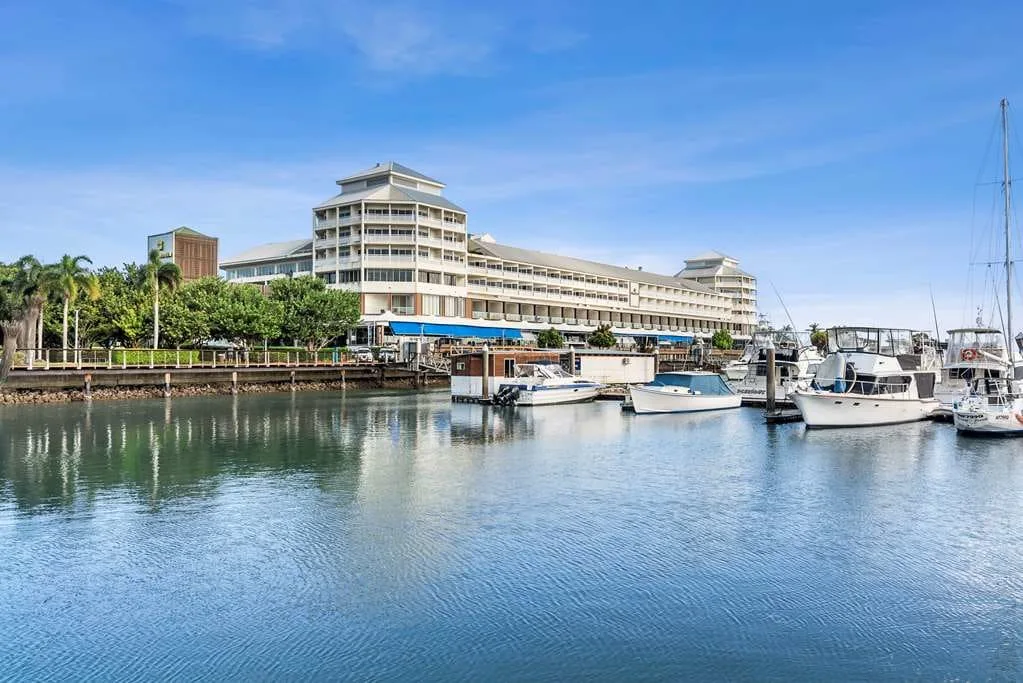
Shangri-La The Marina, Cairns
A premium waterfront hotel in Cairns, located directly on the marina for immediate reef boat access.
The Reality Check
Wear full-body lycra suits in summer
From November to April, marine stinger jellyfish (box jellyfish and Irukandji) are present in reef waters. Resorts provide full-body lycra stinger suits which are mandatory for ocean swimming and snorkeling.
Wear Lycra Stinger SuitsProtect your skin with reef-safe mineral sunscreen
To prevent chemical bleaching of the delicate coral ecosystem, only certified biodegradable mineral sunscreens containing zinc oxide or titanium dioxide are permitted on outer reef excursions.
Use Reef-Safe Mineral SunscreenAvoid standing on coral structures
Reef corals are fragile living organisms that can be easily crushed or killed by contact. When snorkeling or swimming, maintain a horizontal floating position and never stand on reef structures.
Float Horizontally Over Reefs