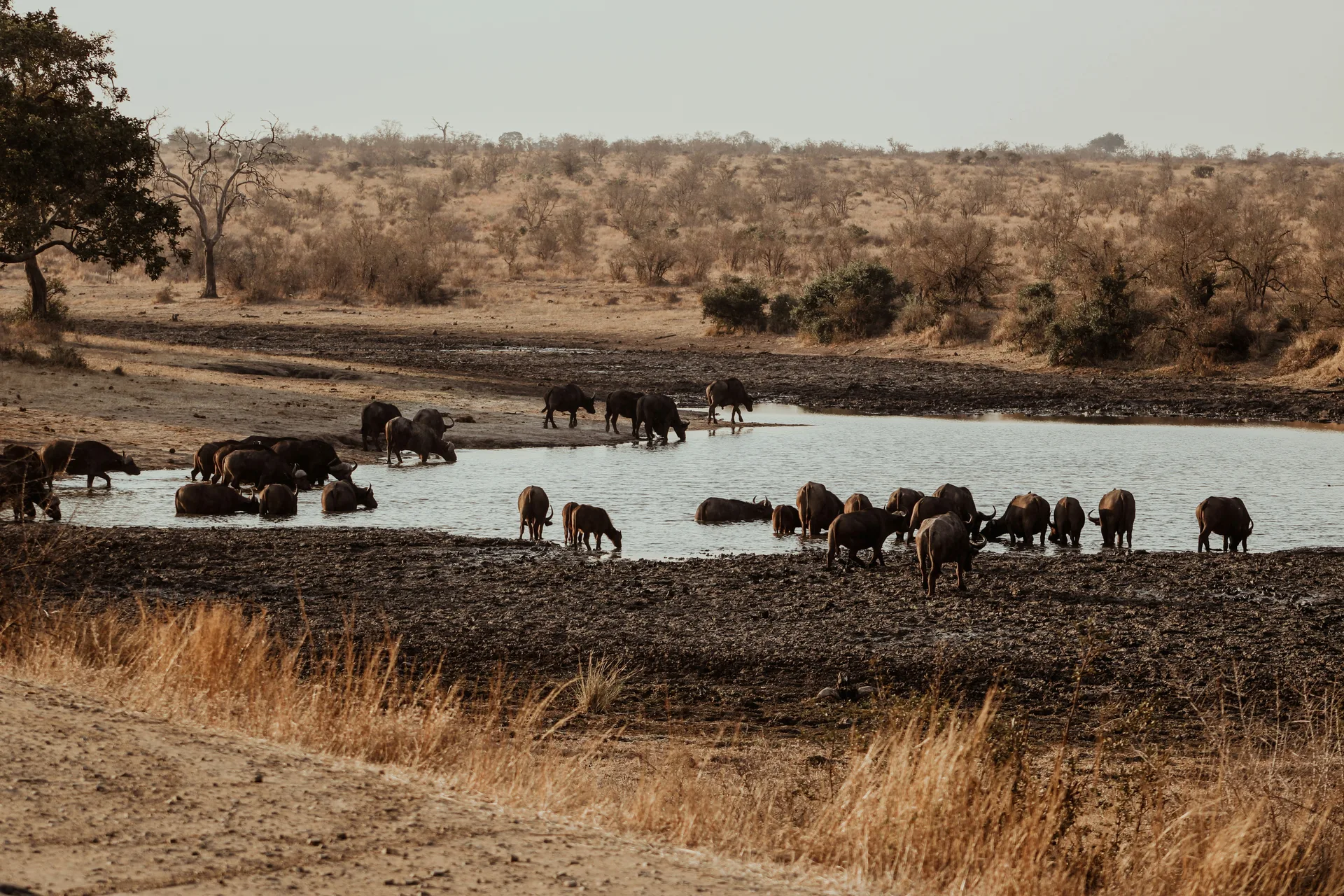
Greater Kruger, South Africa
Tracking leopards off-road at close range, watching elephant herds congregate along the Sand River, and stargazing under ink-black bushveld skies.
Greater Kruger offers the finest wildlife viewing in Africa, featuring unfenced borders that allow animals to roam freely over millions of acres. Private reserves like Sabi Sand offer off-road tracking and night safaris, but come at a high price point.
Greater Kruger offers the finest wildlife viewing in Africa, featuring unfenced borders that allow animals to roam freely over millions of acres. Private reserves like Sabi Sand offer off-road tracking and night safaris, but come at a high price point. The shoulder months of May and September offer the best weather-to-price balance.
When to visit
Bar height = overall visitability. Color = conditions tier.
Daily high temperatures are comfortable (70s-80sF) and rainfall is practically non-existent. Without rain, foliage drops and thin brush makes spotting predators extremely reliable around remaining rivers.
Winter mornings are cold, with June and July lows dropping to 53°F. Since open safari vehicles have no wind protection, wearing fleece, beanies, and windbreakers is mandatory before sunrise.
What's good, and when
June: Deep Winter
Ready to plan your trip?
Tell us when and how you travel — we'll match it to the right months, the right properties, and the right price.
Hotels & Lodges
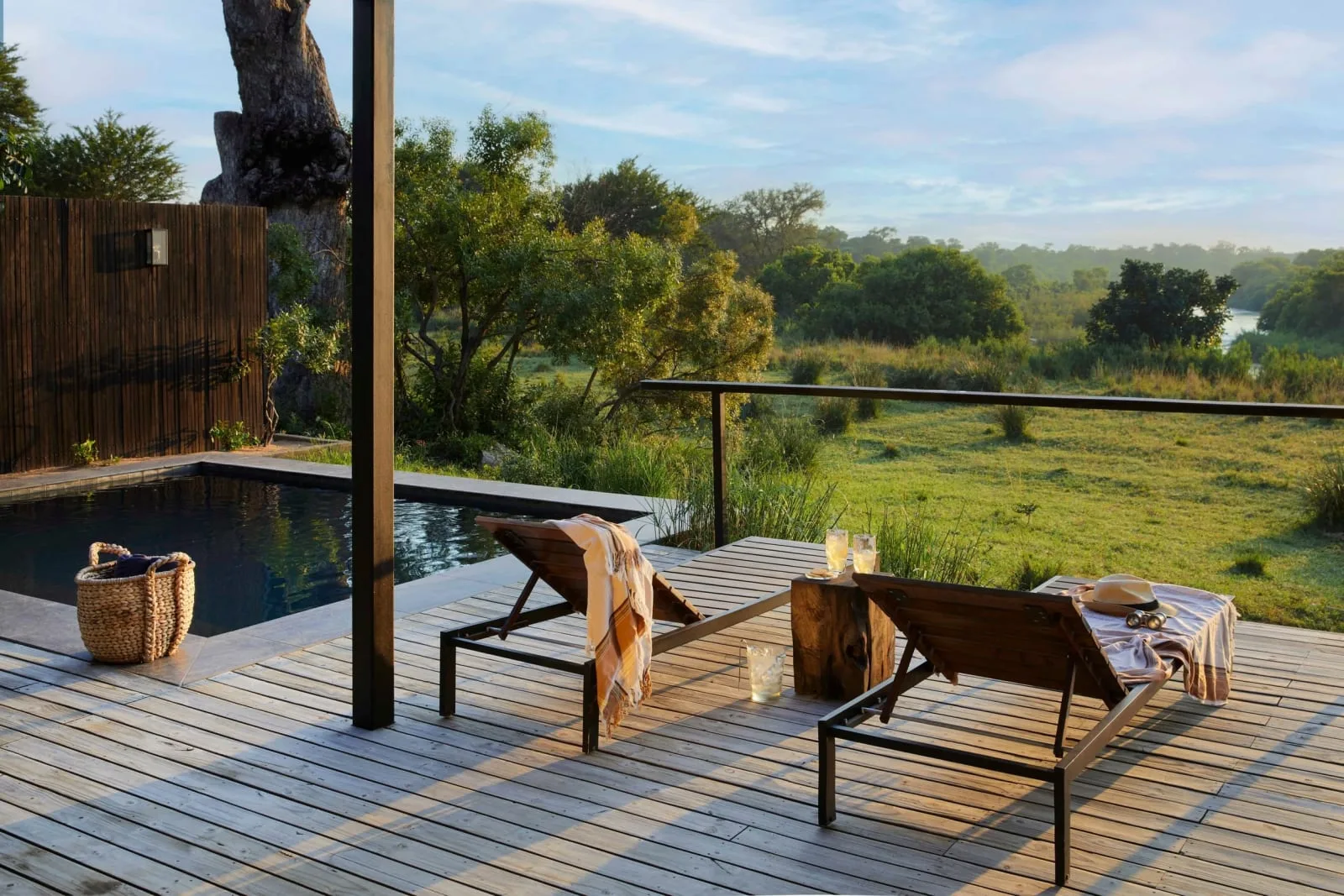
Lion Sands River Lodge
A premium safari lodge built along the banks of the Sabie River, offering direct views of watering wildlife.
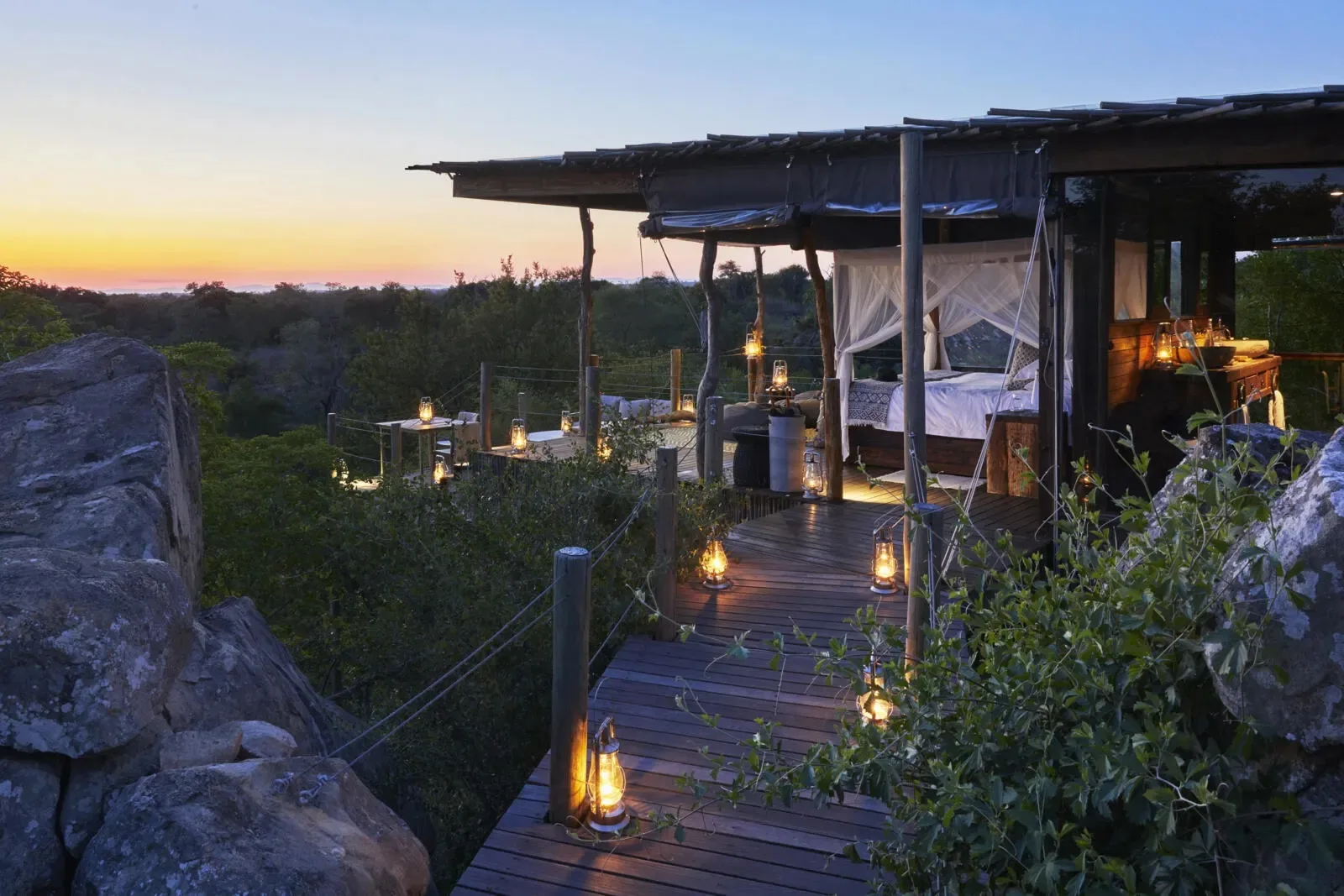
Lion Sands Private Game Reserve
A family-owned private reserve hosting diverse Sabi Sand ecosystems and legendary big cat concentrations.
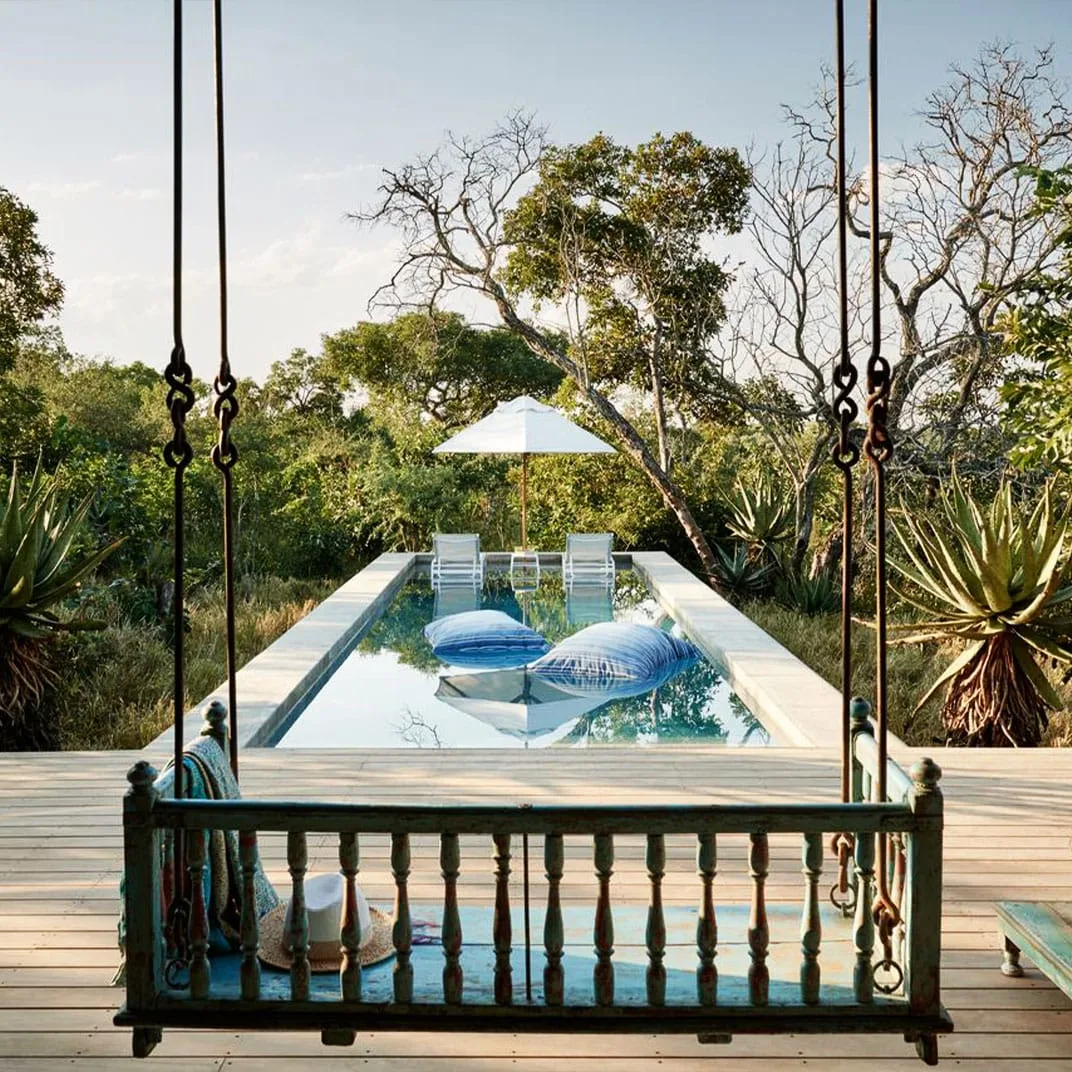
Royal Malewane
An ultra-premium classic lodge in Thornybush Private Reserve, renowned for having the most qualified tracking team in Africa.
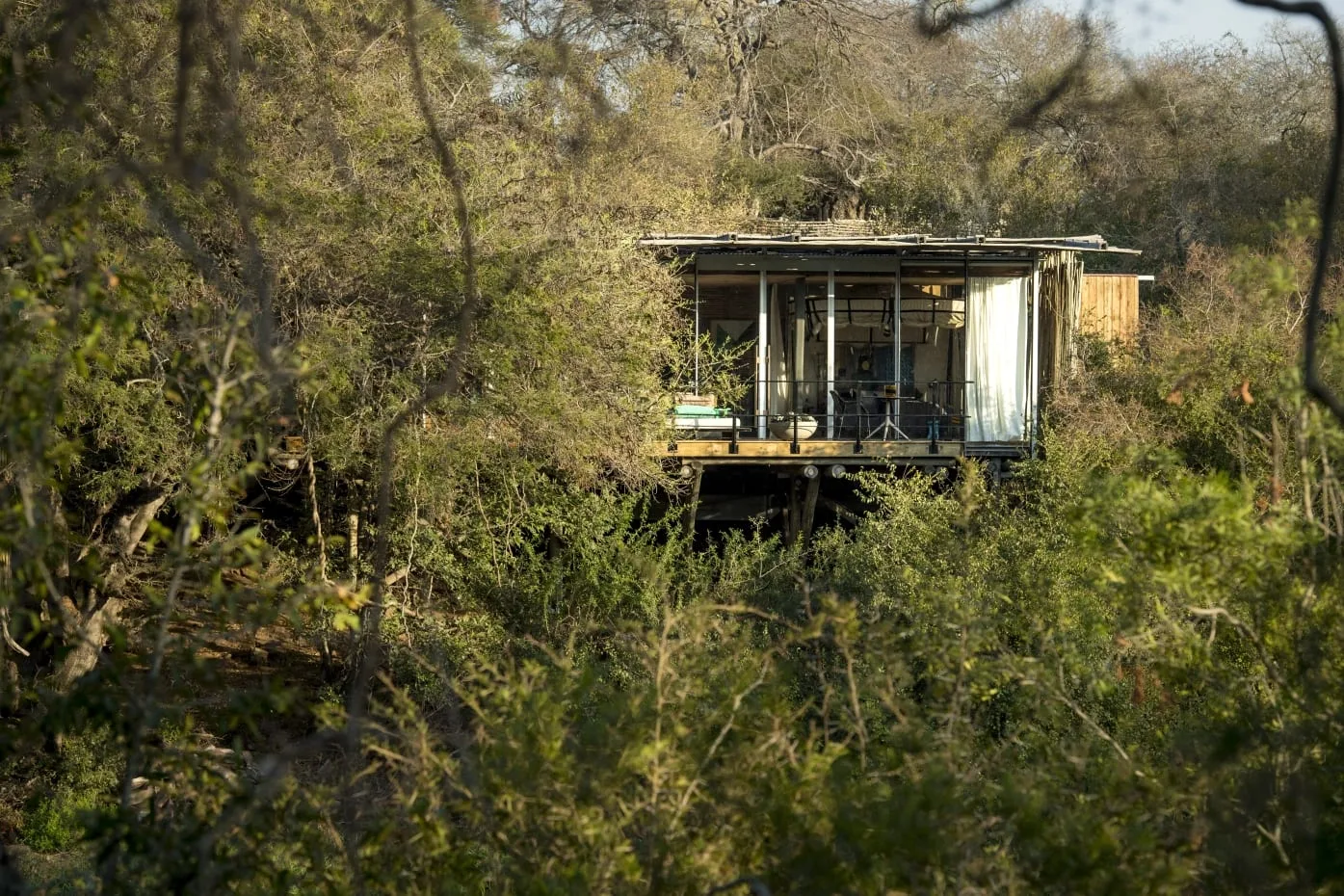
Singita Sweni Lodge
An intimate, treehouse-style luxury sanctuary built on stilts along the banks of the Sweni River.
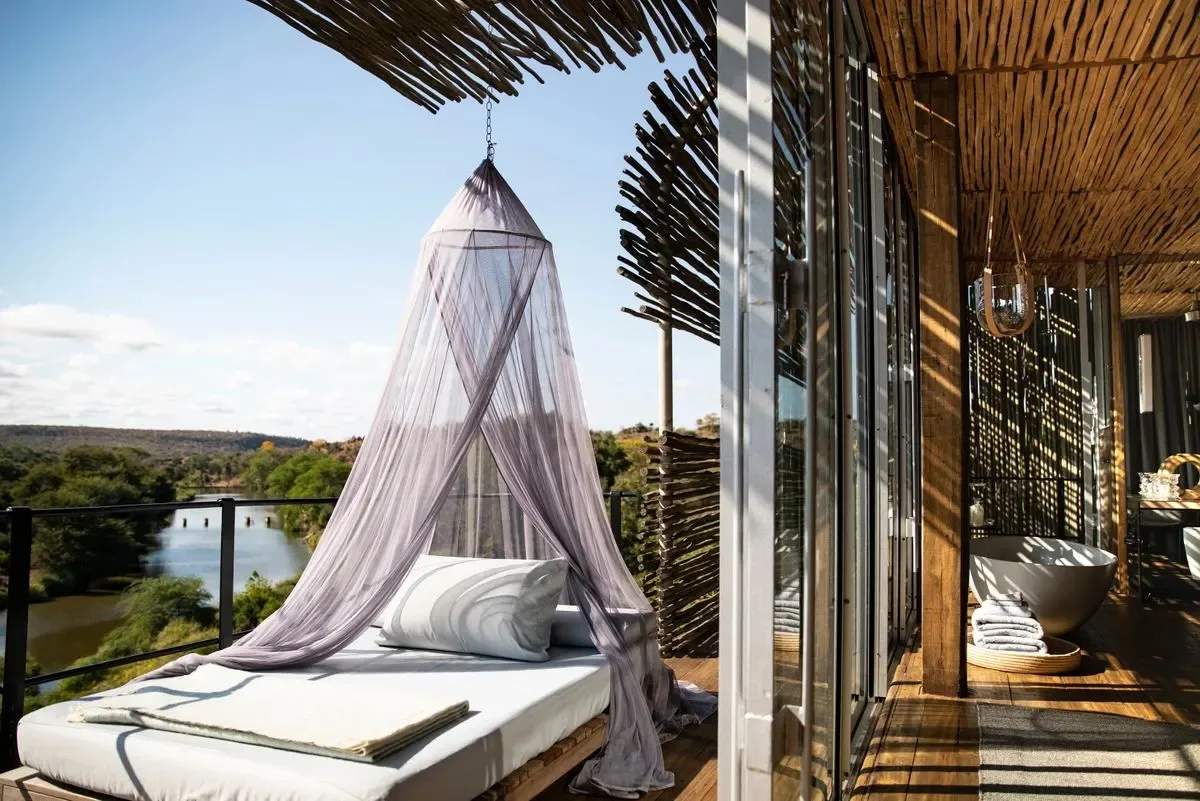
Singita Lebombo Lodge
A bold, contemporary cliffside lodge offering panoramic views of the N'wanetsi River gorge.
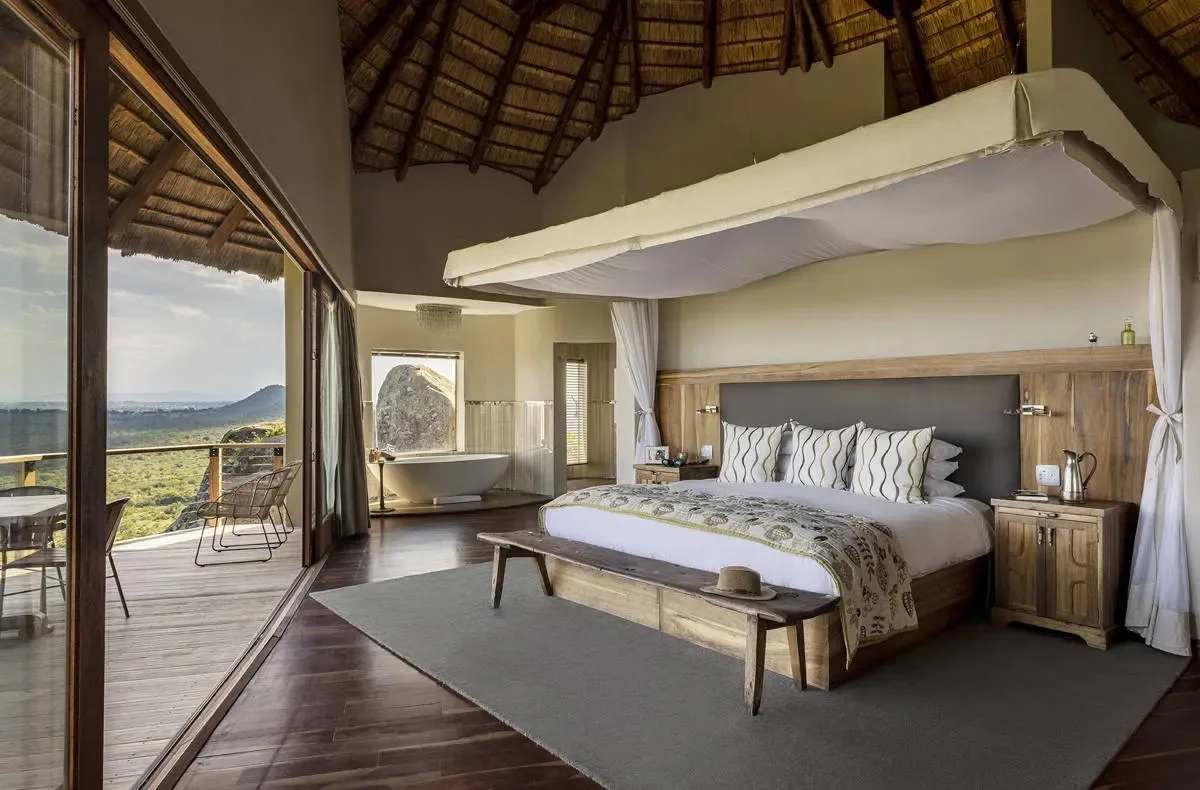
Ulusaba Private Game Reserve
Richard Branson's Sabi Sand retreat, offering dramatic views from a granite koppie and treehouse forest paths.
Londolozi Game Reserve
A world-renowned pioneer in leopard tracking and community conservation, set along the banks of the Sand River.
MalaMala Game Reserve
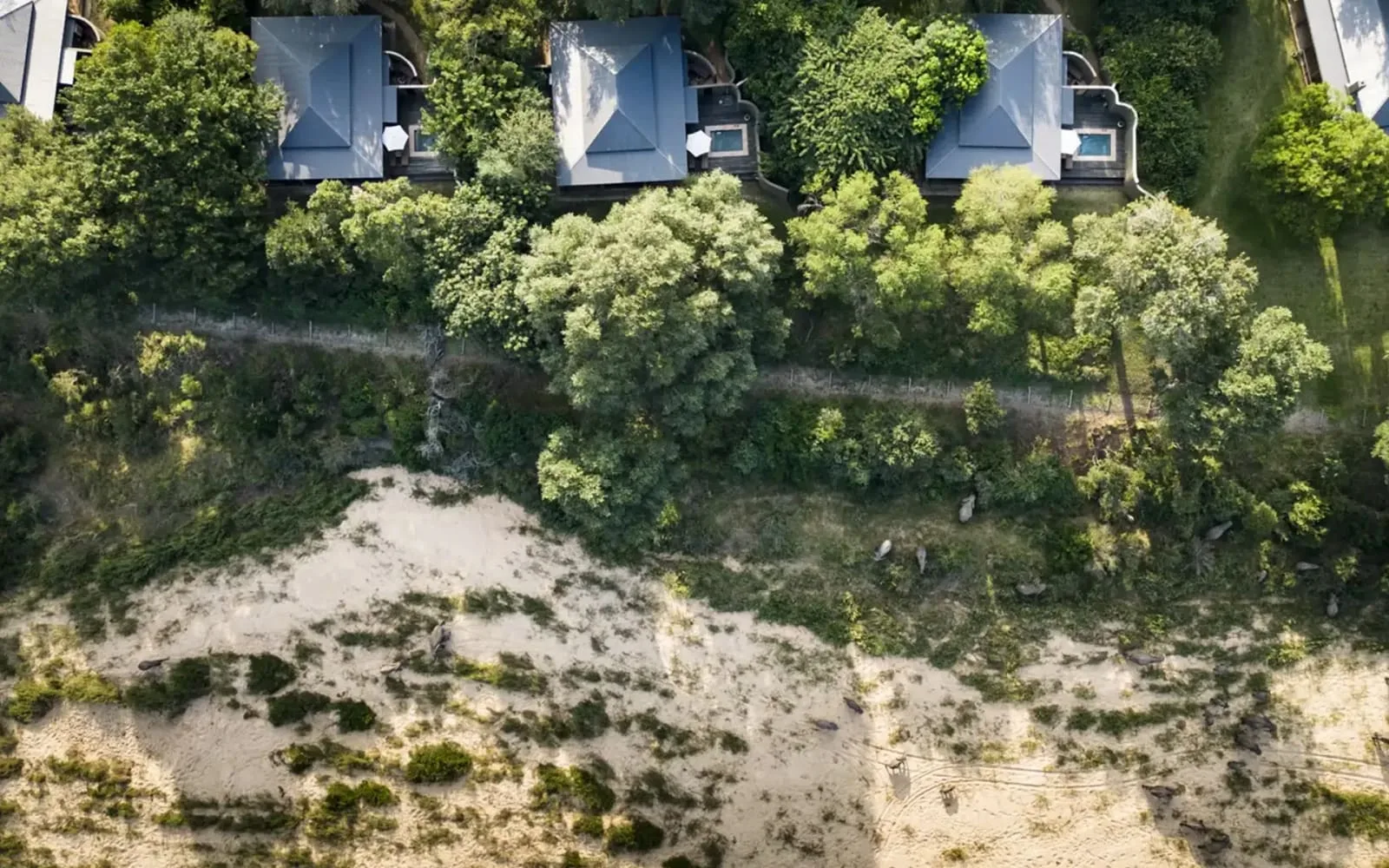
A historic, massive reserve owning the largest unfenced Big Five territory bordering Kruger National Park.
andBeyond Tengile River Lodge
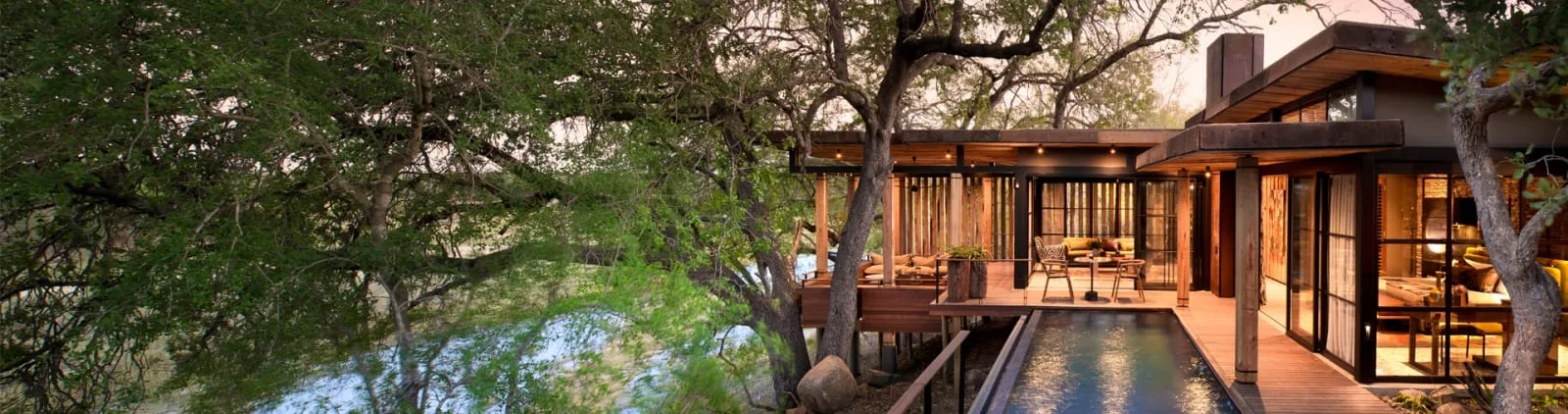
An ultra-luxury, architecturally striking lodge where every suite features a private pool overhanging the Sand River.
The Reality Check
Game drives operate in completely open 4x4 vehicles
Safari vehicles in Greater Kruger have no roofs or window panes to maximize visibility and photography. While this provides immersive views, it exposes you fully to morning wind chill and afternoon downpours. Pack robust windproof layers for winter and light rain gear for summer drives.
Pack Windproof LayersMalaria precautions are highly recommended year-round
Greater Kruger sits in a seasonal malaria risk zone, peaking during the wet summer months (November to April). Consult a physician for preventative medication before traveling, wear long sleeves during evening drives, and apply insect repellent daily.
Consult Travel DoctorConservation levies are charged per guest per day
To fund anti-poaching units and local community initiatives, every visitor is subject to daily Greater Kruger conservation contributions and park entry fees. These are charged directly to your lodge folio or paid upon arriving at the reserve entry gates.
Expect Conservation Fees