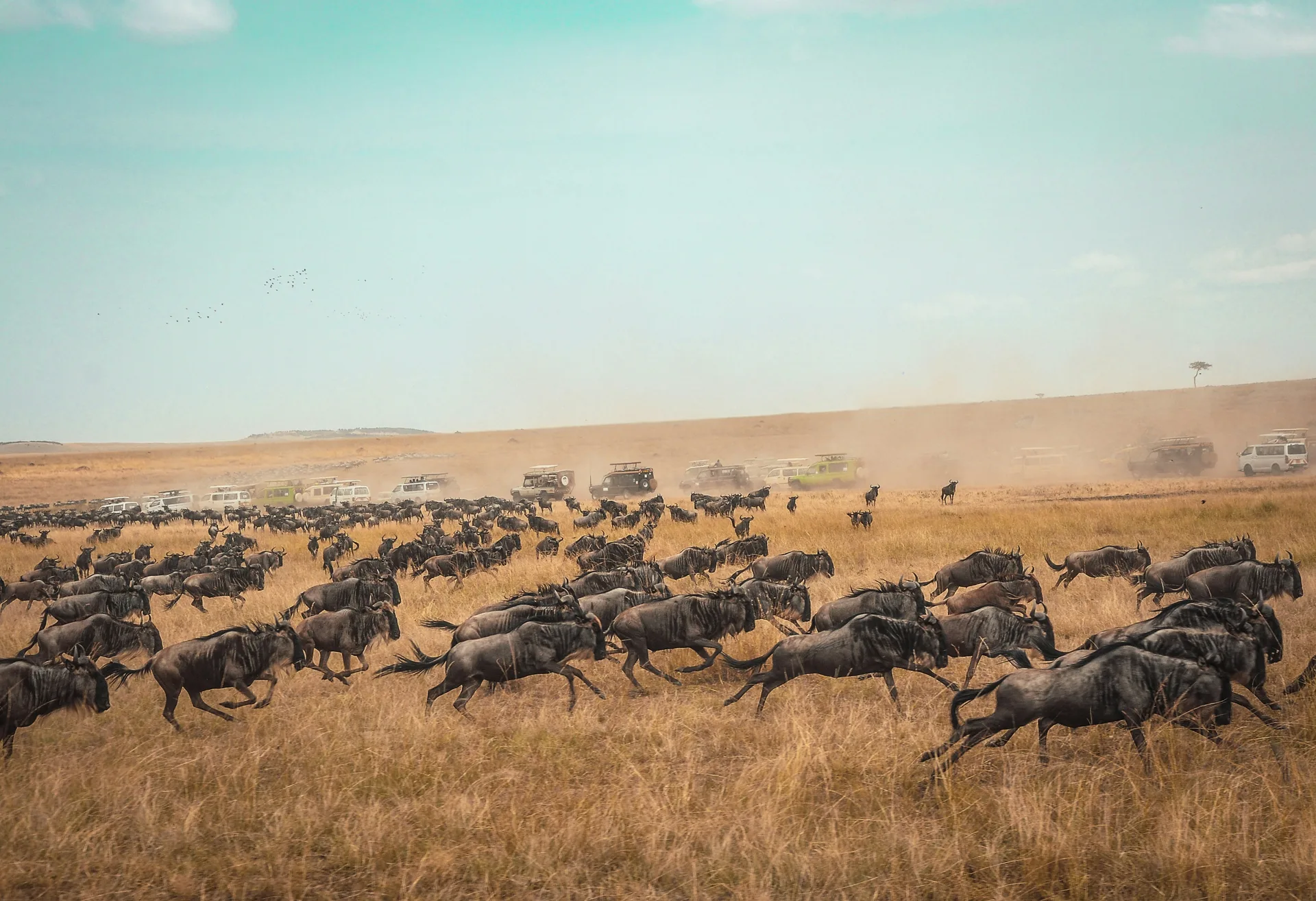
Masai Mara, Kenya
Observing millions of wildebeest crossing the Mara River, soaring in a hot air balloon over the golden savannah at sunrise, and tracking prides of lions across the open grass plains.
Kenya's Masai Mara offers unparalleled big game safaris and the peak spectacle of the Great Migration, but the river crossings from July to October attract massive clusters of tourist vehicles that can feel congested. The long rainy season of April and May can wash out dirt tracks and swamp low-lying river camps, prompting several luxury lodges to close for maintenance.
Kenya's Masai Mara offers unparalleled big game safaris and the peak spectacle of the Great Migration, but the river crossings from July to October attract massive clusters of tourist vehicles that can feel congested. The long rainy season of April and May can wash out dirt tracks and swamp low-lying river camps, prompting several luxury lodges to close for maintenance. Book premium camps overlooking the Oloololo Escarpment (like Angama Mara) 10 to 12 months in advance for the migration window.
When to visit
Bar height = overall visitability. Color = conditions tier.
Winter (June–October) is the optimal window to visit the Masai Mara. Daily high temperatures are highly comfortable (~76°F) and rainfall is practically non-existent. Without rain, grass thins and wildebeest congregate for spectacular river crossings.
The park exhibits two rainfall peaks: April (6.68 inches) and November (7.13 inches). Dirt tracks can become muddy and slick during these months, requiring experienced 4x4 drivers.
What's good, and when
July: The River Crossings
Ready to plan your trip?
Tell us when and how you travel — we'll match it to the right months, the right properties, and the right price.
Hotels & Lodges
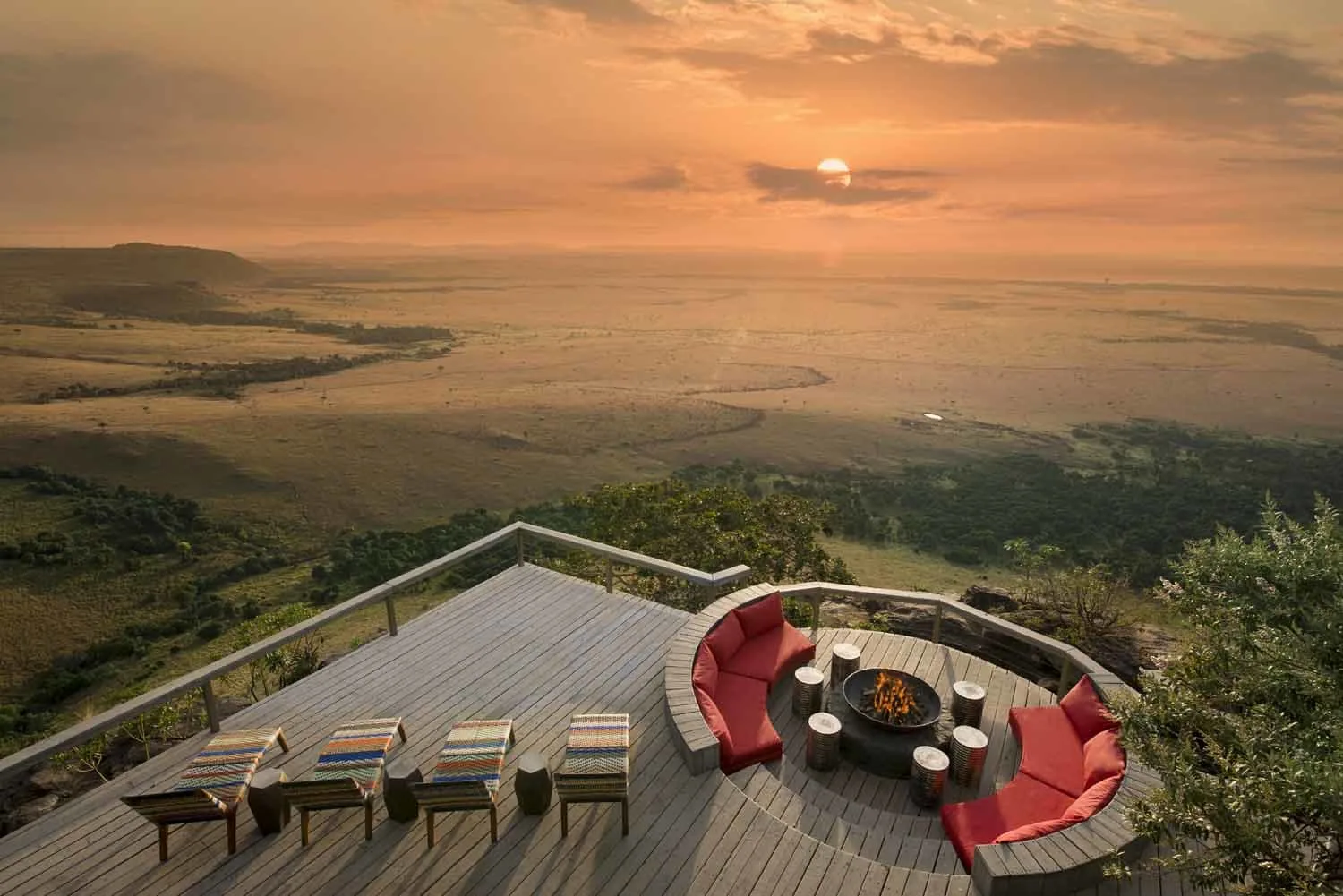
Angama Mara
A high-design lodge perched on the edge of the Great Rift Valley rim, offering panoramic views of the Mara Triangle.
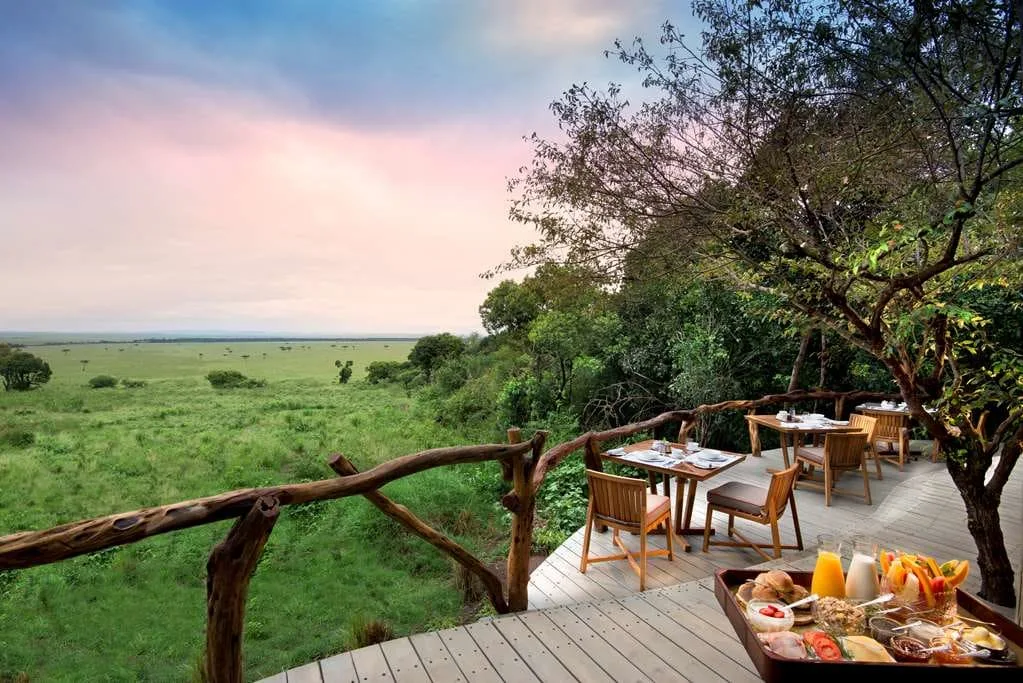
andBeyond Bateleur Camp
A vintage-style luxury safari camp nestled in a riverine forest canopy at the foot of the Oloololo Escarpment.
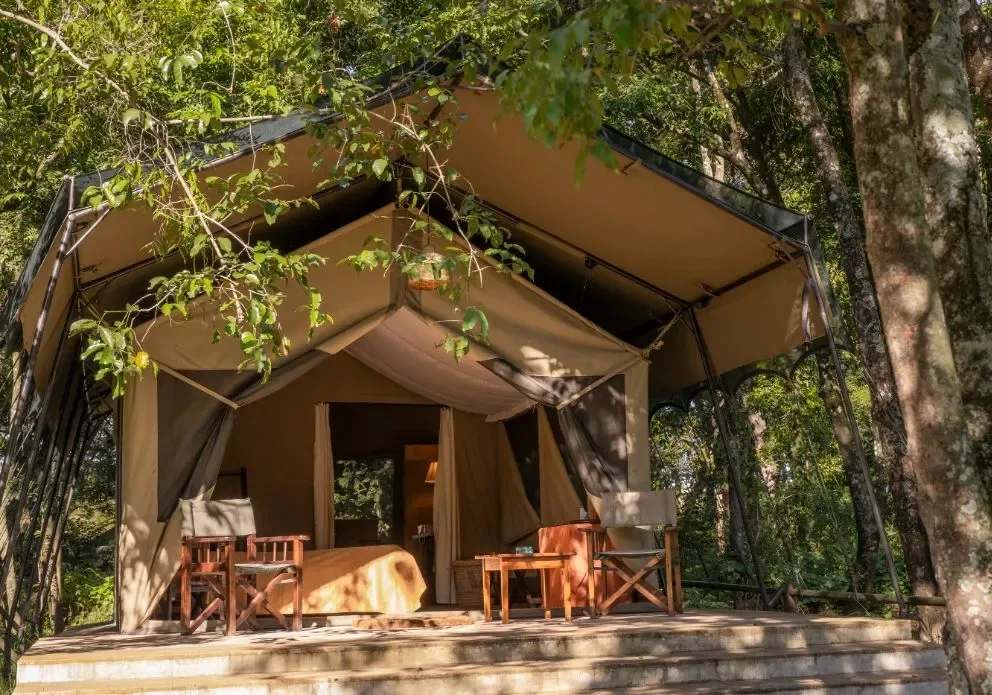
Governors' Camp
A legendary, classic tented camp set in a riverine forest along the winding banks of the Mara River.
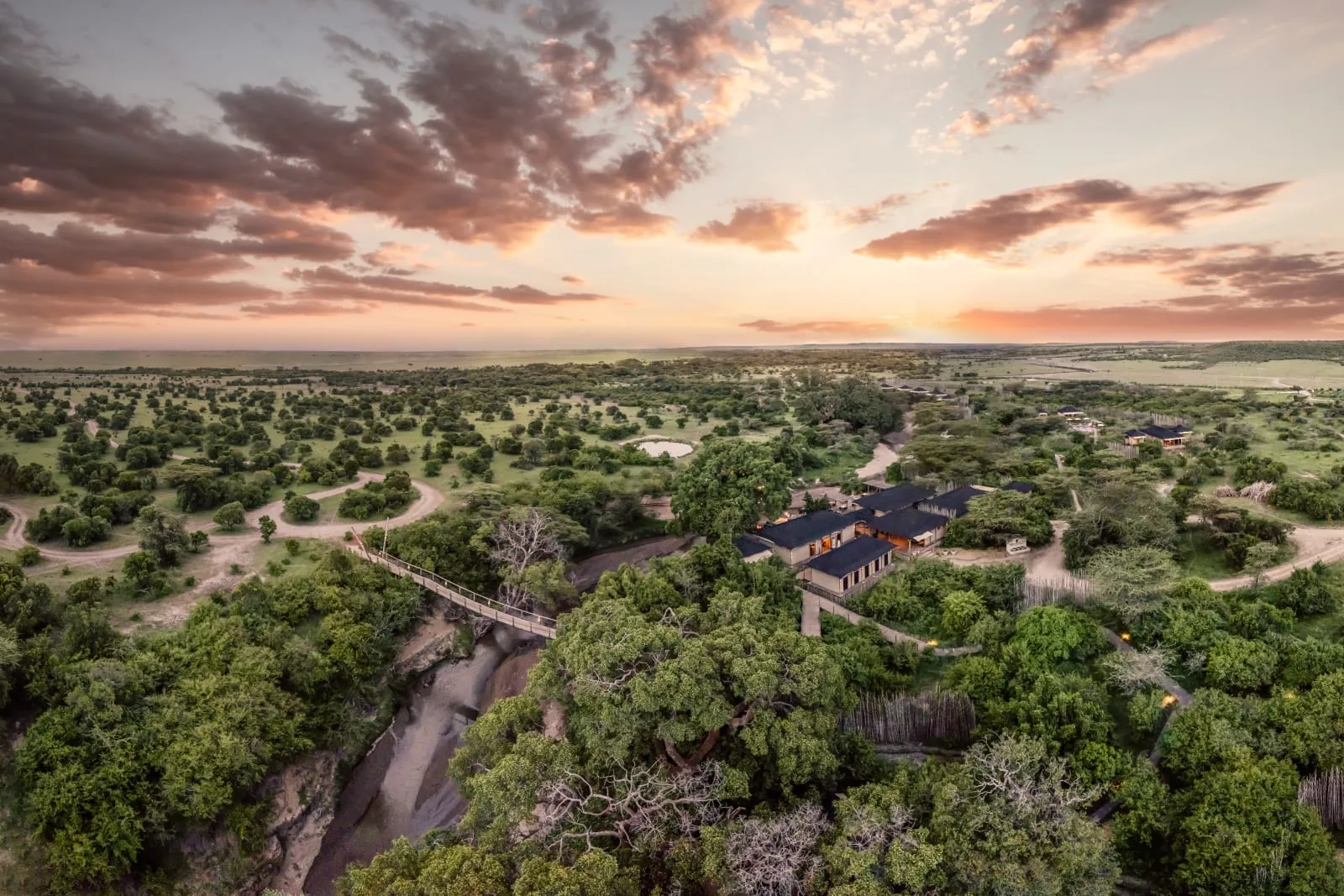
JW Marriott Masai Mara Lodge
A modern luxury sanctuary set along the banks of the Talek River inside the Masai Mara National Reserve.
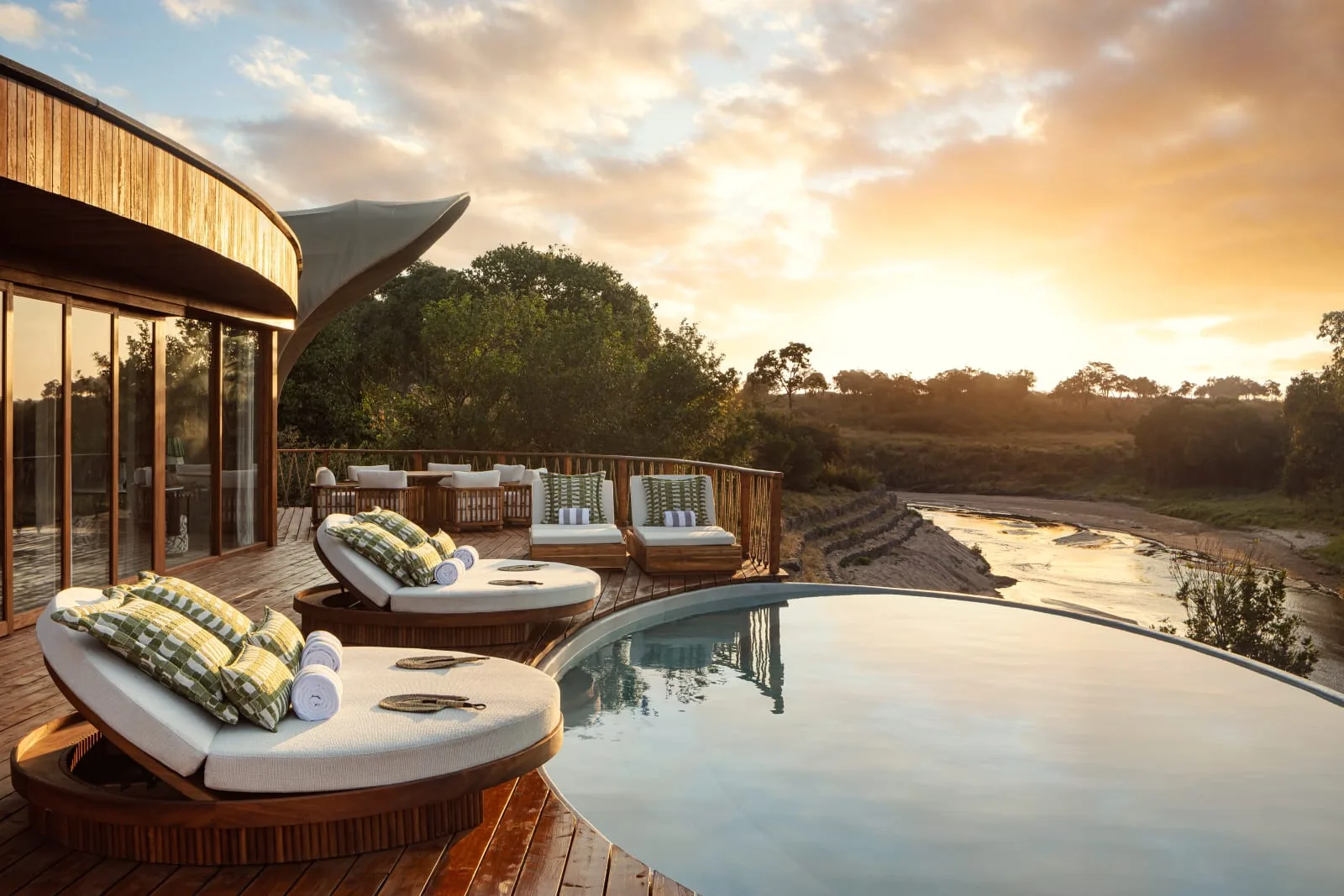
The Ritz-Carlton, Masai Mara Safari Camp
An ultra-exclusive tented sanctuary perched along the banks of the Sand River near the border of the Serengeti.
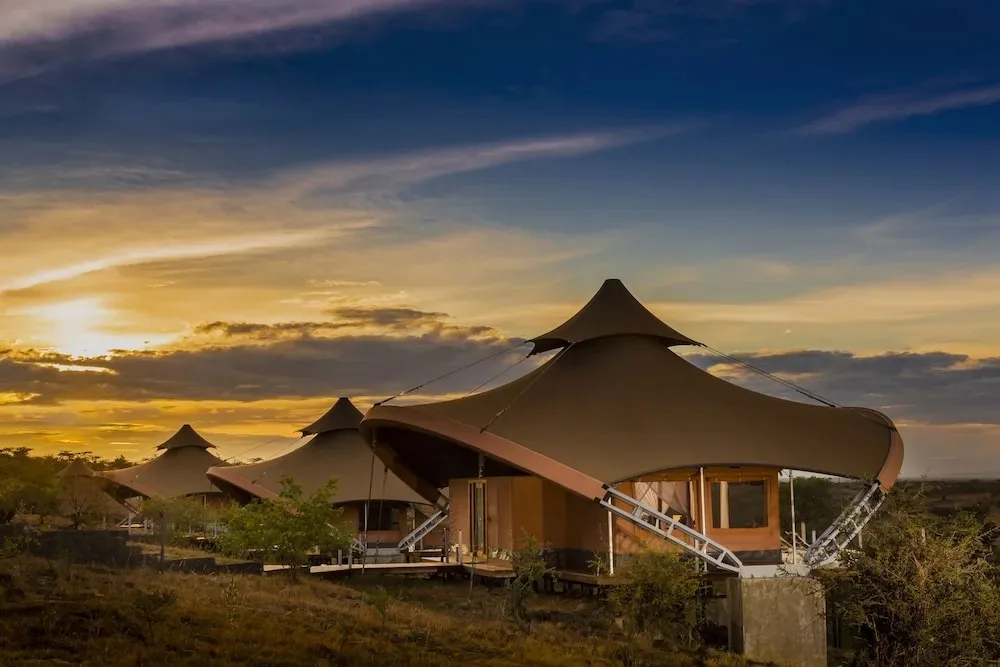
Mahali Mzuri
A futuristic tented oasis by Sir Richard Branson, offering front-row views of the Olare Motorogi wildlife valley.
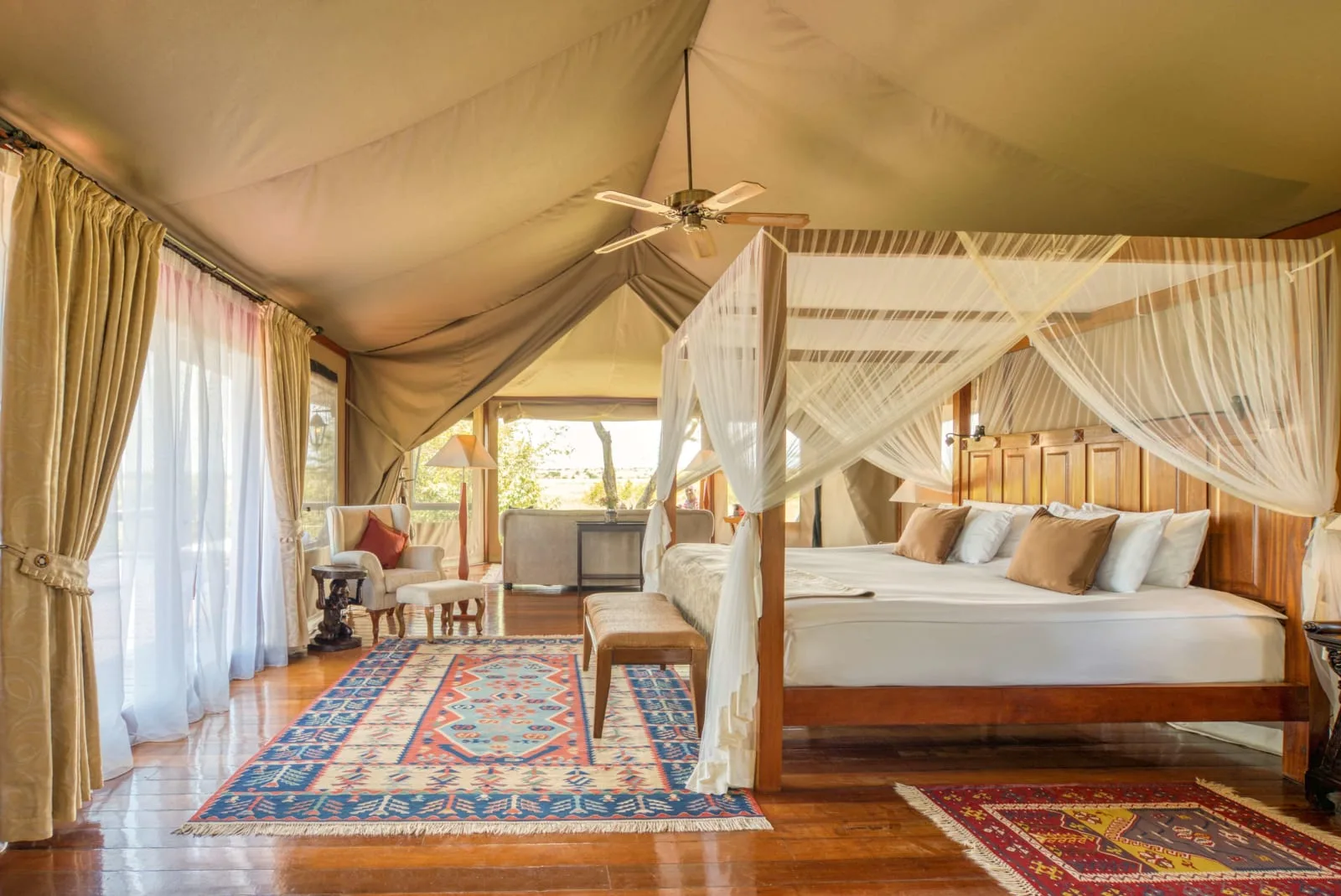
Olare Mara Kempinski Masai Mara
A classic luxury tented camp nestled along the wooded banks of the Ntiakitiak River in a private conservancy.
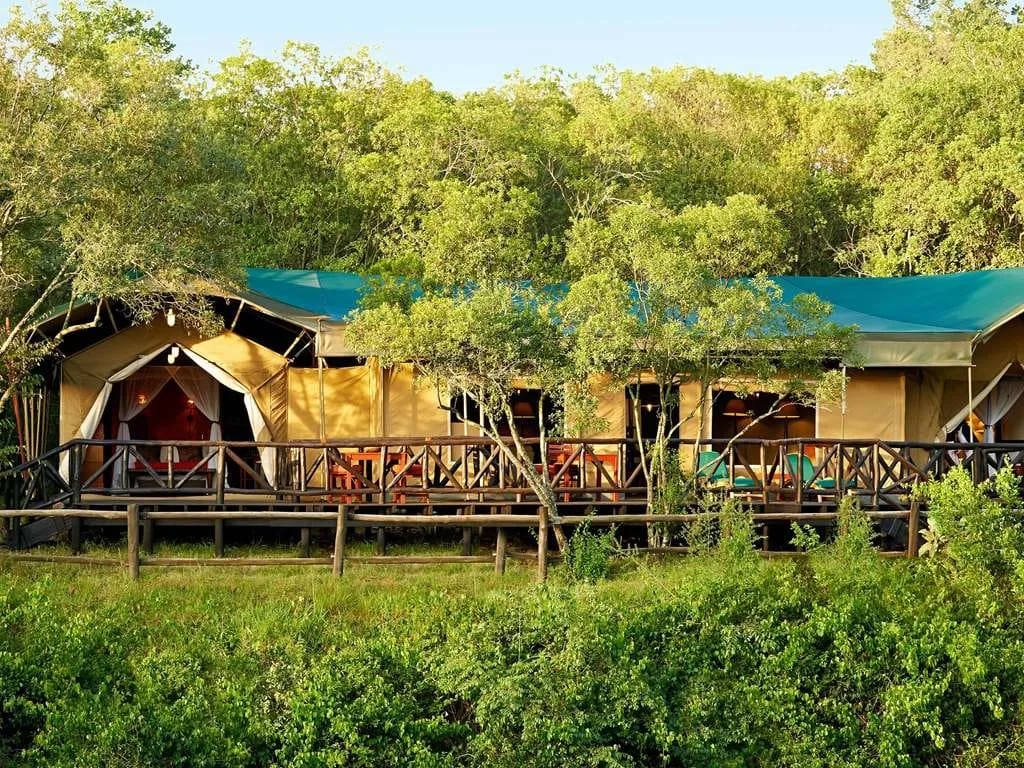
Fairmont Mara Safari Club
A riverfront tented resort set in the northern Aitong foothills, overlooking active hippo pools along the Mara River.
The Reality Check
Malaria precautions are recommended year-round
The Masai Mara sits in a malaria transmission zone, peaking during the wet summer months (November to April). Consult a travel physician for preventative medication, wear long sleeves during evening drives, and apply insect repellent daily.
Consult Travel DoctorMara River crossings demand patience
Wildebeest can gather on riverbanks for hours or even days before crossing, and sudden alarms can cause them to scatter back into the bush. Patience is required, and game drives can last all day.
Prepare for Long Crossing WatchesExpect Daily Conservation Fees
Kenya charges steep daily park entry fees for international visitors. These are typically billed on your lodge folio or paid via credit card at the entry gates, and are valid for strict 24-hour periods.
Budget for Daily Park Fees