
Galápagos Islands, Ecuador
Tracking wild giant tortoises through highland crater forests, snorkeling alongside playful sea lion pups and marine iguanas, and exploring volcanic basalt lava tubes.
The Galápagos is an unparalleled wildlife sanctuary, but inter-island transit can be demanding. Moving between islands requires rocky 2-hour open-ocean speedboat transfers or expensive inter-island flights.
The Galápagos is an unparalleled wildlife sanctuary, but inter-island transit can be demanding. Moving between islands requires rocky 2-hour open-ocean speedboat transfers or expensive inter-island flights. Park entry rules strictly require certified naturalists for land excursions, and cool oceanic currents during the peak Garúa dry season make wetsuits mandatory for comfortable snorkeling.
When to visit
Bar height = overall visitability. Color = conditions tier.
The Humboldt ocean current brings cool waters, lower humidity, and low rainfall. Sea life is at its most active, making this the prime season for diving and wildlife watching.
Warm tropical sun and calm turquoise waters dominate. Sea temperatures rise to 76-80°F, ideal for swimming without wetsuits, with occasional brief tropical showers.
What's good, and when
July: Marine Abundance
Ready to plan your trip?
Tell us when and how you travel — we'll match it to the right months, the right properties, and the right price.
Hotels & Lodges
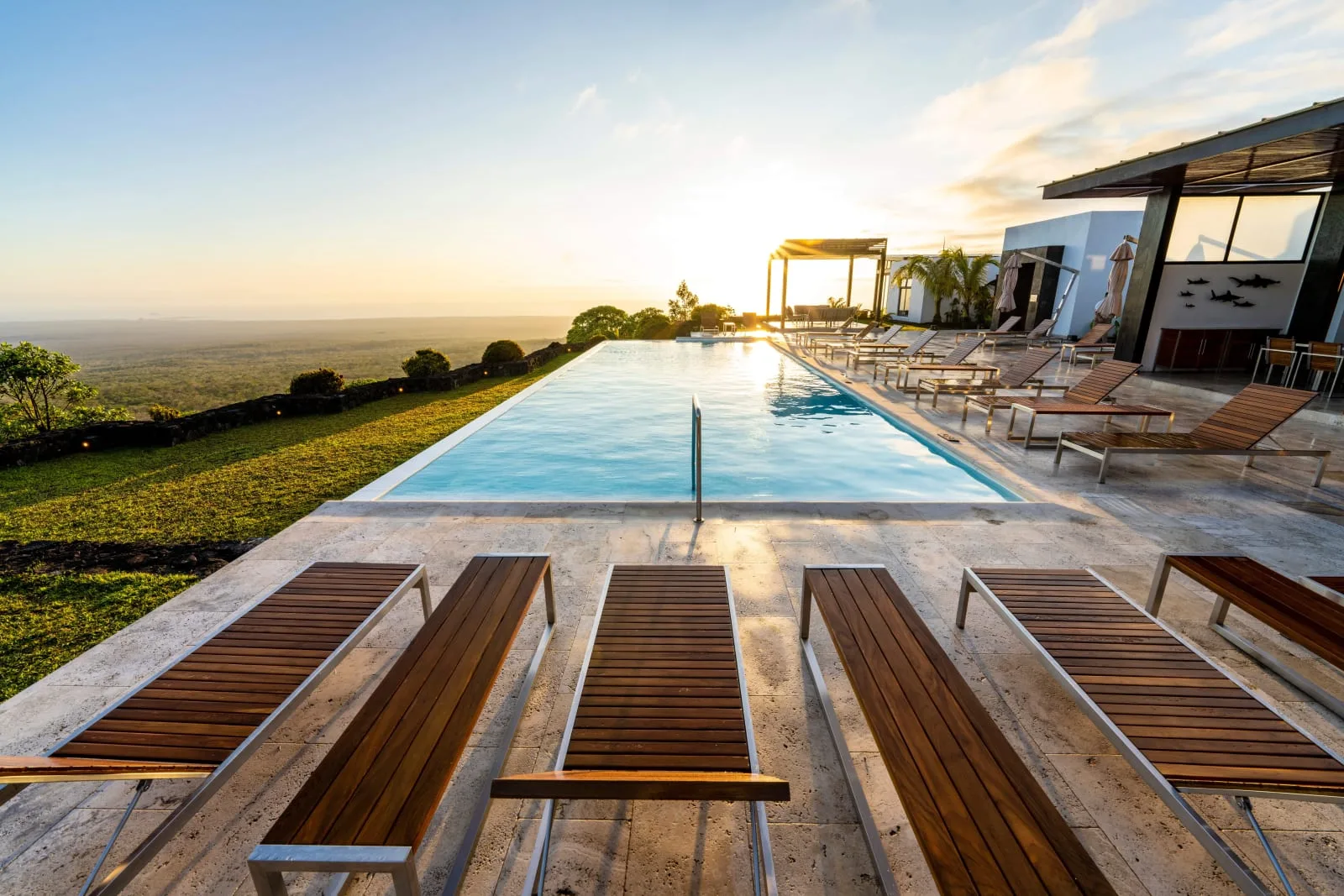
Pikaia Lodge
A Relais & Châteaux carbon-neutral design sanctuary perched on a volcanic crater ridge in the Santa Cruz highlands, featuring its own private yacht for marine exploration.
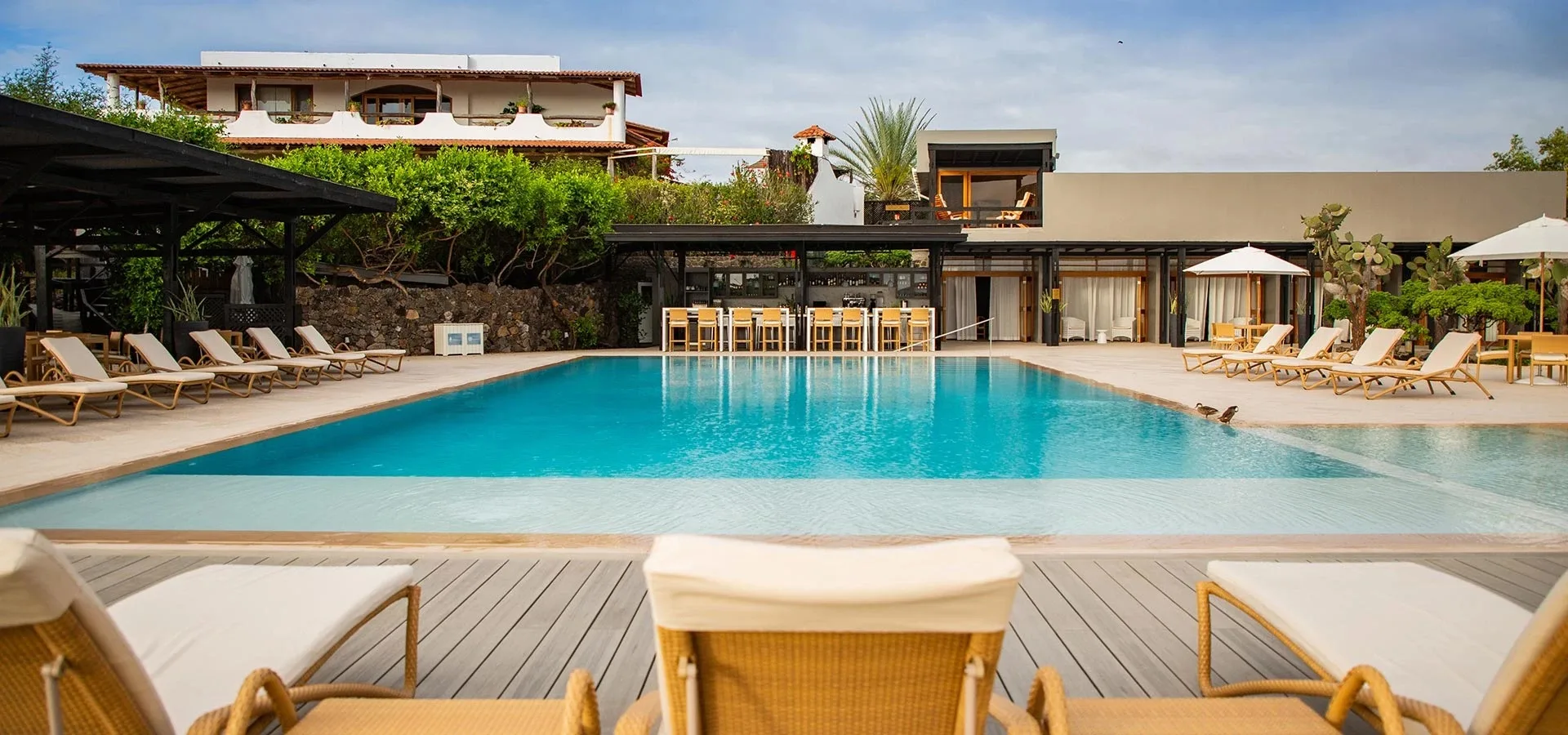
Finch Bay Galapagos Hotel
A boutique eco-luxury beach resort located in a pedestrian-only bay across from Puerto Ayora, featuring direct beach access and a private expedition yacht.
The Reality Check
Bring US dollar cash for park fees and water taxis
The Galápagos uses the US Dollar. The $200 national park fee and small water taxi fares between jetties must be paid in cash. ATMs on Santa Cruz and San Cristóbal frequently run out of cash.
Carry USD CashPack a 3mm shorty wetsuit for Garúa season
From June to November, ocean temperatures drop to 66-71°F due to cold upwellings. A 3mm neoprene wetsuit is essential for spending extended time snorkeling with marine life.
Pack 3mm WetsuitObey the 2-meter wildlife distance rule
Galápagos animals have no natural fear of humans, but visitors are strictly legally required to maintain a minimum distance of 6 feet (2 meters) at all times and never touch or feed wildlife.
Maintain 6ft Wildlife Distance